Vandaag of morgen in huis

Kwaliteit gegarandeerd

Welkomstaanbiedingen ontgrendelen: GRATIS bezorging | Tot 80% korting | Gratis 30 dagen JoyPlus-proefperiode
Download de app
A standard smartphone often won't survive a drop on the construction site or a plunge into water. That's why you're looking for a rugged smartphone: a device that can take a beating. But the market is flooded with models that overpromise and underdeliver. Before you make a choice, it's crucial to understand the common pitfalls.
Many buyers fall for clever marketing tricks and end up with a phone that is clunky, slow, or less durable than expected. These are the three most important things to watch out for:
To avoid a bad purchase, look beyond the marketing and focus on the specifications that truly matter. For a reliable outdoor phone or construction phone, these are the three most important features.
The IP code (Ingress Protection) indicates how well a device is protected against dust and water.
A smartphone with a large battery is essential if you work long days or are in places without a power outlet. The capacity is expressed in milliampere-hours (mAh).
A shock-resistant phone has more than just a sturdy exterior. Pay attention to the following features:
Not every user has the same needs. Below are some popular choices tailored to different profiles.
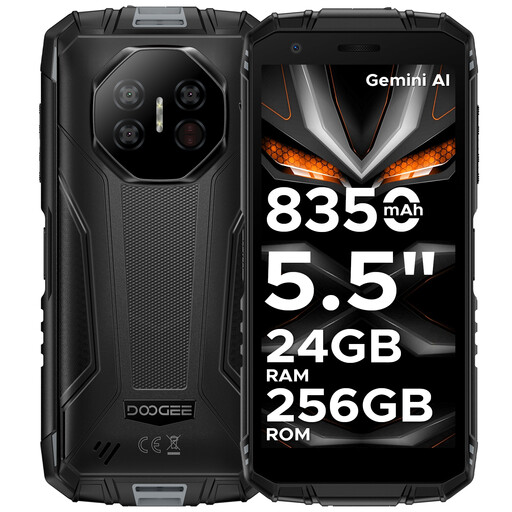
Why This Fits Their Persona: This device is designed for harsh conditions. The combination of a compact size, a large 8350 mAh battery, and a night vision camera makes it a practical tool for inspections in dark spaces or long days on the job site.
This model has a clear IP68/IP69K certification and combines it with a modern octa-core processor and Android 15. You don't have to sacrifice performance for durability.
The 20MP night vision camera is a unique feature for professionals. The 8350 mAh battery provides excellent runtime.
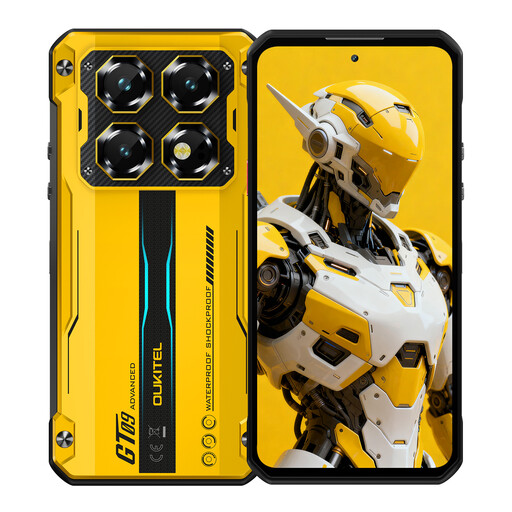
Why This Fits Their Persona: For those who spend days in the great outdoors, the battery is the most critical factor. With 10,000 mAh, you won't have to worry. The large 7.2-inch screen is ideal for navigation maps, and the 108MP camera captures your adventures in high quality.
This model proves that a smartphone with a large battery doesn't have to compromise in other areas. It combines the massive battery with a 5G rugged smartphone processor and a high-quality camera.
The 10,000 mAh battery is the absolute star of the show. Additionally, the 108MP camera offers versatile photography options.
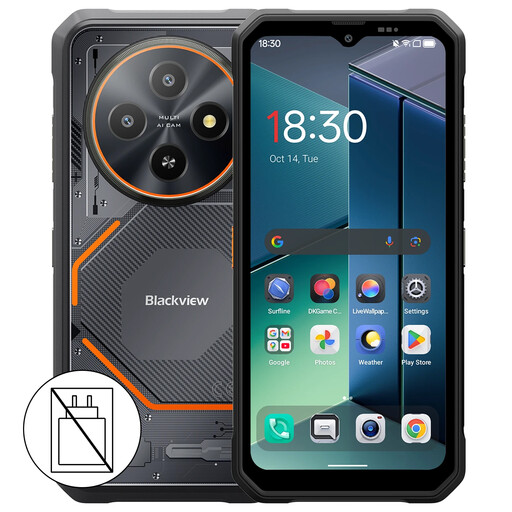
Why This Fits Their Persona: Ideal for anyone seeking a reliable, shock- and water-resistant phone for everyday mishaps, without the extra features (and costs) of a professional model. Perfect for use in and around the house, during DIY projects, or on a bike ride in the rain.
This device doesn't make exaggerated claims. It offers a solid and verified IP68 certification, which is exactly the protection most people need, in an affordable package.
Provides reliable basic protection against water, dust, and drops. The 5000 mAh battery is more than enough for a full day.
Many rugged phones are also equipped with useful features like NFC for contactless payments. We have compiled a complete, up-to-date overview of products that meet these strict selection criteria.
IP68 means a phone is dust-tight and can be submerged in water up to 1.5 meters deep for 30 minutes. IP69K offers the same protection but is also resistant to high-pressure, high-temperature water jets. This is particularly useful in industrial environments. For most users, including outdoor athletes, IP68 is more than sufficient.
This depends heavily on the capacity (mAh) and your usage. A model with 5000 mAh will last a full day with normal use. Devices with 10,000 mAh or more can last two to three days or even longer with light use without charging. This makes them ideal for hiking trips or work at locations without power.
Absolutely. In the past, these phones were often thick and heavy, but modern models have become slimmer and lighter. They run on recent Android versions and have good cameras and screens. While they may be slightly heavier than a standard smartphone, they offer the peace of mind that a drop or a rain shower won't mean the end of your phone.