
Viewers on a wide sofa
You watch with others from seats to either side of the TV’s centre line and want the picture to remain easy to follow from the outermost seat.


When watching rugby from a wide sofa, the TV’s viewing angle is an important place to start. According to the Consumentenbond, OLED TVs generally have a wider viewing angle, while an LCD TV that has been tested and found to offer a wide viewing angle could also be suitable. Next, compare how the screen handles reflections in your living room and displays fast-moving action. A high quoted refresh rate alone does not guarantee a sharper picture for sport.
You watch with others from seats to either side of the TV’s centre line and want the picture to remain easy to follow from the outermost seat.
You want to follow the ball and players during fast camera movements, so you pay attention to motion handling rather than advertised hertz figures alone.
You often watch in a bright living room and want to weigh up reflections and brightness against picture quality when viewed from the side.
Choose this if: several viewers sit noticeably off-centre and you want to start by comparing models with a wide viewing angle.
Bear in mind: reflections in a bright room and image retention after displaying static elements for long periods or repeatedly. Sony describes this as a possible risk, not a prediction of what will happen during normal match viewing.
Choose this if: you’re comparing LCD models and the viewing angle of the exact model is demonstrably wide.
Bear in mind: RTINGS generally describes IPS panels as having lower contrast than VA panels. Assess both qualities in the room where you watch.
Choose this if: most viewers sit directly in front of the screen and contrast or performance in your room’s lighting are important factors.
Bear in mind: RTINGS generally describes VA panels as having a narrower viewing angle than IPS panels. Check what the exact model looks like from the outermost seat.
Compare the TV from the seat furthest from the centre. Then check fast-moving action and reflections in the lighting conditions you usually watch matches in.
| What to consider | What should you check? | Who is this important for? |
|---|---|---|
| Picture from the side | Look at a viewing-angle test for the exact model or assess the picture from the outermost seat. Also compare contrast and reflections in similar conditions. | When I watch from the side, I want colours and brightness to remain clear enough for everyone on the sofa. Around 36% of consumers put viewing angle first. |
| Fast-moving rugby action | Compare motion-handling tests and, if possible, try a broadcast with fast passes and camera pans. Distinguish between panel refresh rate, motion processing and the incoming signal. | I want to follow the ball and players during fast-paced action without relying on one big hertz figure. Around 29% of consumers put motion handling first. |
| Light and reflections | Compare brightness and reflection handling in similar lighting conditions, and check the picture from an angled seat too. | When daylight falls on the screen, I want to keep seeing the match clearly without losing sight of the viewing angle. Around 21% of consumers put ambient light first. |
| Screen size and running costs | Measure the distance from your seats and the space available. Check the energy label and work out whether you’ll need a wall bracket, installation, a TV receiver or extra audio equipment. | I want a screen size that suits my seating and to know in advance what extra costs or equipment I’ll need. Around 14% of consumers put screen size and total costs first. |
Panel refresh rate, the signal’s frame rate, pixel response and generated in-between frames are different things. In-between frames can cause picture artefacts during unpredictable action.
Compare tests and, if possible, assess a real broadcast rather than looking only at the biggest number on the box.
LCD TVs can involve a trade-off between contrast and viewing angle. The backlight alone doesn’t tell you what the exact screen looks like from an angle.
Check a viewing-angle measurement for the exact model and assess the picture from the outermost seat.
Sony warns that static elements displayed for long periods or repeatedly can cause permanent image retention on OLED TVs. This risk does not mean that normal match viewing will automatically cause damage.
Read the care instructions for your chosen model and don’t leave a static image on screen for longer than necessary.
The Dutch C6 OLED range includes models such as the 55-inch OLED55C68LA and could be one OLED option to compare.
The Dutch S95H OLED range includes models such as the QE55S95HFTXXN and is worth comparing if you’re considering wide seating arrangements and reflections.
The Dutch OLED850/12 combines OLED with Ambilight and is worth comparing if lighting behind the screen is also a consideration.
The BRAVIA 8 OLED range includes models such as the K-55XR80, an option to assess alongside your audio set-up.
The 55C7K is a QD mini-LED LCD model to compare if you’re considering LCD technology and brightness.
This selection of Joybuy products includes OLED TVs and a QLED TV to compare for watching rugby from different seats. For each model, check that the size, viewing angle and features suit your room.
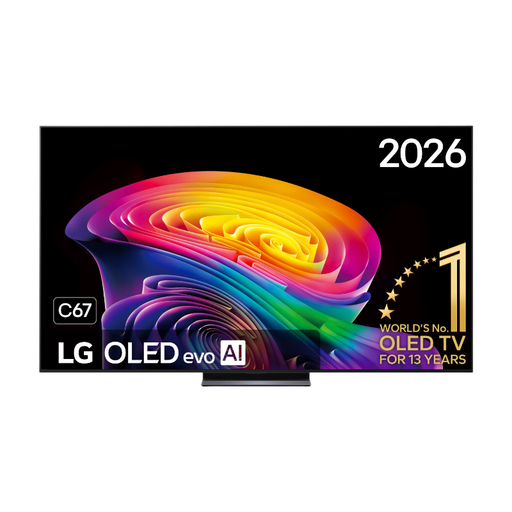 No image available
OLED is a technology worth comparing when viewers don’t sit directly in front of the screen; the Consumentenbond says OLED TVs generally have a wider viewing angle.
83-inch screen; 4K; native 120 Hz; VRR up to 165 Hz.
Image retention can occur after static elements have been displayed for long periods or repeatedly; Sony describes this as a possible risk with OLED.
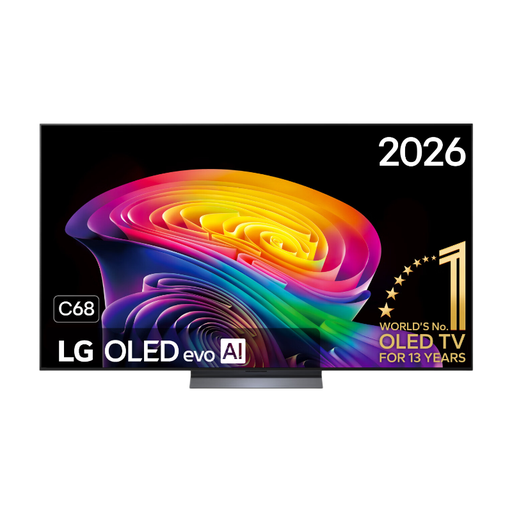 No image available
OLED is a technology worth comparing when viewers don’t sit directly in front of the screen; the Consumentenbond says OLED TVs generally have a wider viewing angle.
65-inch screen; 4K; native 120 Hz; VRR up to 165 Hz.
Image retention can occur after static elements have been displayed for long periods or repeatedly; Sony describes this as a possible risk with OLED.
No image available
OLED is a technology worth comparing when viewers don’t sit directly in front of the screen; the Consumentenbond says OLED TVs generally have a wider viewing angle.
55-inch screen; 4K; native 120 Hz; VRR up to 165 Hz.
Image retention can occur after static elements have been displayed for long periods or repeatedly; Sony describes this as a possible risk with OLED.
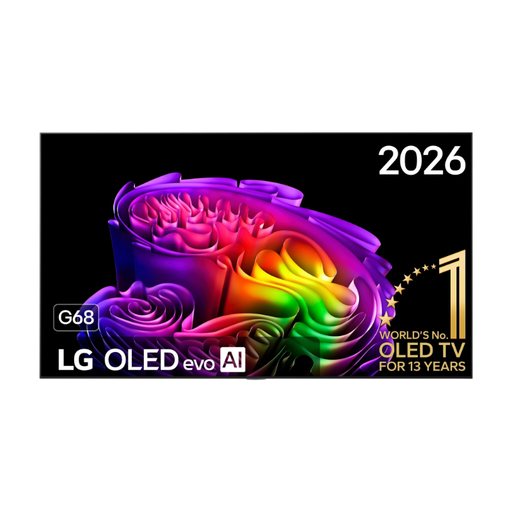 No image available
OLED is a technology worth comparing when viewers don’t sit directly in front of the screen; the Consumentenbond says OLED TVs generally have a wider viewing angle.
55-inch screen; 4K; native 120 Hz.
According to the product information, this version does not include a table stand; it has an integrated wall bracket. OLED image retention can occur after static elements have been displayed for long periods or repeatedly, as Sony describes.
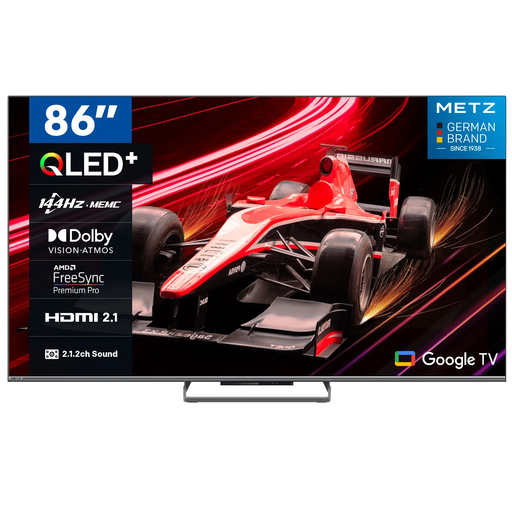 No image available
If you’re considering this model for side seats, check the viewing angle of this exact version before deciding.
86-inch screen; 4K; 144 Hz; HDR10+; integrated 2.1.2 audio system with subwoofer.
No, that refresh rate is not a general requirement for a good picture when watching rugby. The Consumentenbond notes that a standard TV signal is usually 50 Hz and that generated in-between frames can cause picture artefacts during fast, irregular movement. So compare the motion handling of the exact model with a similar broadcast.
Start with a home setting rather than the bright shop setting. The Consumentenbond advises assessing the picture with the lighting you usually use. Then try the available picture modes and motion settings with sports footage, and check the result from the side.
Measure the viewing distance from the seats you actually use and check that the TV and its stand or wall bracket will fit in the space. The Consumentenbond suggests around 2.4 times the screen diagonal as a starting point for viewing distance, not a strict limit.
You don’t need an extra warranty product to have your statutory rights. According to ACM ConsuWijzer, the seller is responsible for offering an appropriate solution if a product develops a fault too soon under normal use; the period is not automatically the same for every TV.
Televisions sold on the EU market are subject to ecodesign and energy labelling rules. According to the European Commission, the label includes information for SDR and HDR, among other things. The Dutch government describes CE marking and an EU declaration of conformity as requirements for anyone placing applicable electrical and electronic equipment on the market. A product page alone does not show that an individual TV meets all the requirements.