
Viewers watching with the lights on
You want to watch the match with others while daylight or lamps brighten the room. Consider brightness alongside screen size and the amount of light falling on the projection surface.


Start by checking the light on the projection surface and the distance between the projector and the wall. These help determine whether a standard-throw or ultra-short-throw projector is right for you. Then compare the connections for your match source and the sound setup for your group. Manufacturer specifications alone cannot guarantee good contrast in your room.
You want to watch the match with others while daylight or lamps brighten the room. Consider brightness alongside screen size and the amount of light falling on the projection surface.
You want a large picture without placing a projector in the middle of a walkway or seating area. The distance from the wall can help you decide which type of projection is right for your space.
You want everyone to hear the commentary and the live broadcast to play through a suitable source. Check the connections and the broadcast you plan to watch separately.
| What to consider | What to look for when buying | Who this matters most to |
|---|---|---|
| Visibility in ambient light | Compare lumen figures measured on the same basis and check which mode they apply to. Also consider how much light will fall on the screen during the match. | If the lights stay on, I want to be able to follow the match without completely darkening the room. Around 31% of consumers prioritise visibility in ambient light. |
| Picture size and placement | Measure the distance from the lens to the projection surface and the available wall width. Take furniture and the viewers’ seating positions into account. | I want a large picture without the projector getting in the way, so the position in the room needs to work with the picture size I want. Around 31% of consumers prioritise a suitable set-up. |
| Broadcast and sound for the group | Check where you can watch the specific match, whether the service works through your intended source and which audio output your sound system needs. | For a group viewing night, I want to be sure the match source works and everyone can hear the commentary. Around 23% of consumers prioritise the broadcast and sound for the group. |
| Use and support | Compare power consumption and brightness in each mode for the exact model. Also read the seller’s warranty terms. | For regular viewing nights, I look at the operating mode and what support is available if something goes wrong. Around 15% of consumers prioritise running costs and support. |
The stated light output applies to a particular projector mode and, on its own, does not tell you what contrast you’ll get in your room.
Check how the figure was measured and which mode the specification refers to. Also consider how much light will fall on the projection surface during the match.
A standard-throw projector and an ultra-short-throw projector need different positions in the same room.
Measure the distance to the projection surface and the available wall width before choosing a picture size or model.
An operating system or HDMI input does not confirm that the live broadcast you want is available.
Before buying, check the specific broadcast, the source and the audio connection you need. You may need a separate streaming device.
According to the Dutch government, showing television programmes to employees or visitors may require an appropriate licence. A Videma licence does not automatically cover commercial pay TV.
If the space is being used for business, check with the relevant rights holder which permission is needed for the specific broadcast.
The Vero XL2521i is a useful reference for standard throw and stated brightness.
The Lifestudio Grand EH-LS670B is an ultra-short-throw projector to consider if placing a projector further back in your shared space would be inconvenient.
The TK710 is a standard-throw projector to consider if you want to connect an existing sound system.
The HZ146X-W is a Full HD laser reference with standard throw.
This selection includes standard-throw and ultra-short-throw models. Check whether each projector’s placement, the broadcast you want to watch and the sound set-up will work in your space.
 No image available
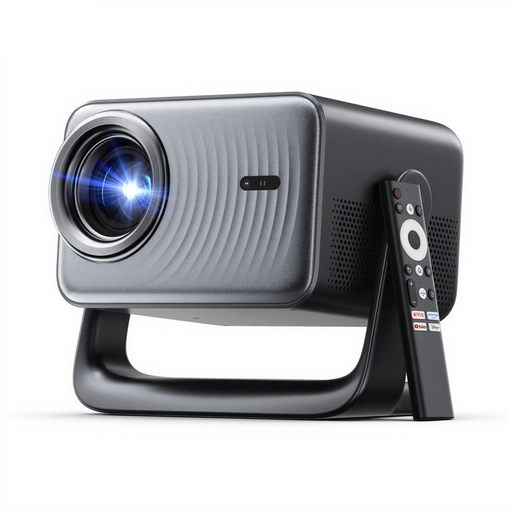
An option if you’re looking for built-in streaming features; 1000 ISO lumens does not guarantee a good picture in ambient light.
The title lists 1000 ISO lumens, Dolby Audio, 4K support, VIDAA OS, Netflix and automatic focus and keystone correction.
 No image available
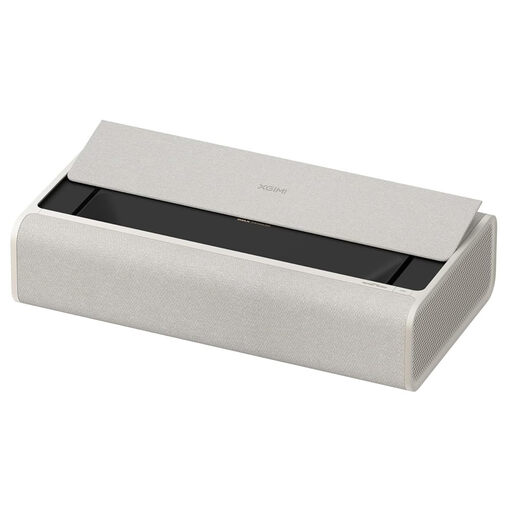
Ultra-short throw could be a good fit if a projector behind the viewers would get in the way; measure the space close to the projection surface.
The title lists UHD 4K, 2300 ISO lumens and a 60 W Harman Kardon speaker.
Also listed: Dolby Vision and IMAX Enhanced.
 No image available
An option for a standard-throw set-up; measure the distance to the projection surface and check the picture width you want.
The product description lists 3500 lumens, two 15 W speakers, two HDMI inputs and a throw ratio of 1,21:1–1,59:1.
The description also lists 1,3× zoom.
 No image available
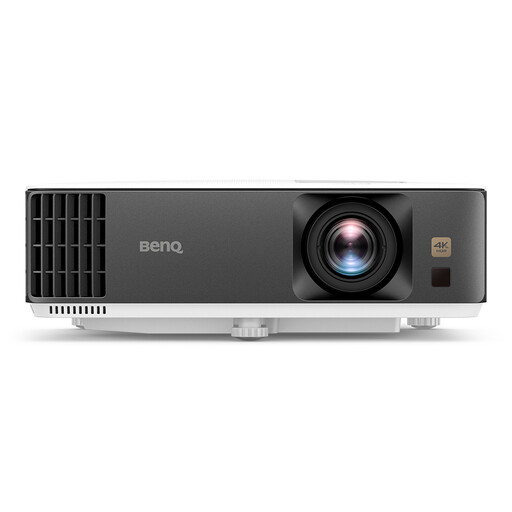
Standard throw could work if you have space to position the projector away from the projection surface.
The title lists DLP, UHD 4K (3840 × 2160) and 3200 ANSI lumens.
The product description lists 1,3× zoom and automatic vertical keystone correction.
 No image available
The swivel design described could be useful if you want to project in different directions; check where the picture will fall beforehand.
The title lists native 1080p Full HD. The product description lists 900 ANSI lumens, a built-in 15 W speaker and a throw ratio of 1:1.
The description also lists 180° rotation.
Measure the distance from the possible lens position to the projection surface and work out the available picture width. Compare these measurements with the throw ratio of the exact model. An ultra-short-throw projector, on the other hand, needs to be positioned close to the wall.
It depends on the specific broadcast and the source you choose. Epson lists Google TV for the EH-LS670B, while the BenQ TK710 has HDMI inputs for an external source. However, check that the service and match you want are available through your intended source.
Not necessarily: the stated light output does not guarantee a particular level of contrast in your room. Check how the figure was measured and which mode it applies to, and consider how much light falls on the projection surface.
Check which audio output your sound system needs and whether the projector, source and audio equipment will work together. A built-in speaker or smart feature does not confirm that the sound will be suitable for your group.
If you’re showing a broadcast in a business, don’t assume that the rules for private use apply. According to the Dutch government, a business showing television programmes to employees or visitors may need an appropriate licence; a Videma licence does not automatically cover commercial pay TV. Check with the relevant rights holder to find out what permission is needed for the specific rugby broadcast.