
Vandaag of morgen in huis

Kwaliteit gegarandeerd

Welkomstaanbiedingen ontgrendelen: GRATIS bezorging | Tot 80% korting | Gratis 30 dagen JoyPlus-proefperiode
Download de app
A rucksack seems simple to choose, until you find yourself carrying a laptop, books, sportswear or travel essentials every day. A model that looks spacious in the product photo may not offer enough protection in practice. Terms such as “waterproof”, “ergonomic” and “large capacity” also deserve a closer look.
With this buying guide, you can compare rucksacks by capacity, laptop compatibility, carrying comfort, pocket layout and rain protection. That way, you can avoid paying mainly for looks or marketing claims.
A water-repellent or water-resistant rucksack will generally protect you from light rain, but that’s not the same as a fully waterproof construction. So check:
A rain cover can be a practical extra for a commute in the Dutch rain. When carrying electronics, don’t rely on the outer fabric alone.
A rucksack for a 15.6-inch laptop won’t necessarily fit every device of that size. Laptops vary in thickness, screen bezels and casing. So check the dimensions of the laptop compartment as well as the screen size. Always place your laptop in the designated padded compartment, too.
A rucksack with plenty of pockets can help you organise cables, documents and small items. However, too many narrow pockets can reduce the usable space. Look for a combination of:
For everyday use, around 13 to 25 litres is often enough, depending on what you carry. A school rucksack for books needs a different layout from a business rucksack for a laptop and documents. For a short trip, an expandable rucksack with a capacity of, for example, 25 to 30 litres can give you extra flexibility.
Always check the bag’s dimensions. A larger capacity often means more weight when the bag is full. A lightweight rucksack is handy for cycling, walking or commuting, but make sure the lighter material doesn’t compromise protection.
Adjustable, padded shoulder straps distribute weight more evenly. A breathable back panel can make the rucksack more comfortable to carry on longer journeys. For a travel or sports rucksack, a chest strap and, where available, a waist strap are useful for keeping the bag stable on your back.
Adjust the straps so the rucksack sits high enough and doesn’t keep pulling backwards. Keep heavy items as close to your back as possible.
Polyester, recycled polyester, canvas and synthetic fabrics are all common. The material name alone doesn’t tell you enough about durability. Also check:
According to some brands’ product information, some of their models are made partly from recycled materials. Treat this as a product specification you can verify, not proof that a bag will automatically last longer.
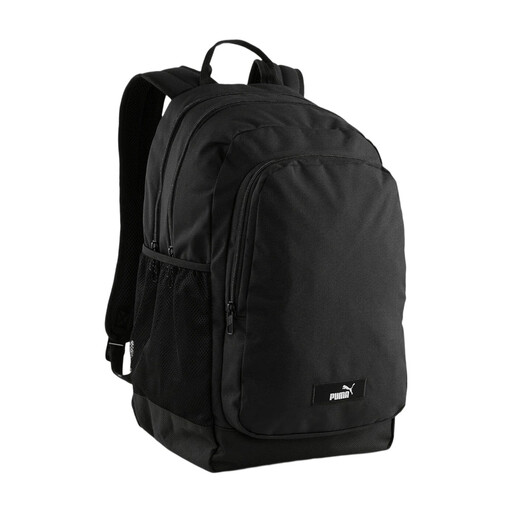
Why it suits this profile: With a capacity of around 24 litres and two roomy compartments, it offers a well-organised setup for school, studying and everyday use. According to the product information, the model is suitable for most adults.
The dimensions of 45 × 30 × 18 cm and the stated maximum device size of 18.7 inches give you a clearer idea of the available space than a vague claim that it’s “roomy”.
Two-way zips, two side pockets, padded straps and a padded back panel. According to the product information, at least 70% of the material is made from recycled materials.
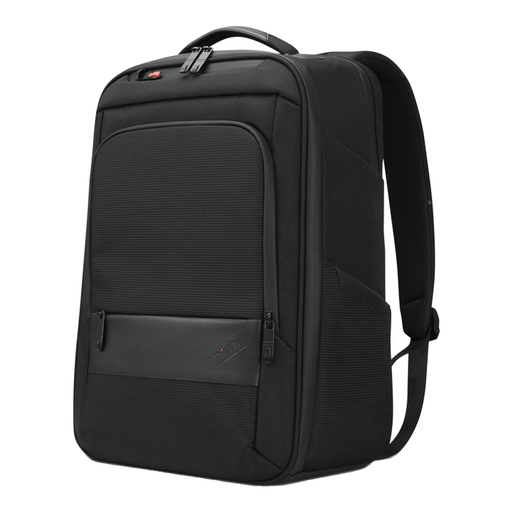
Why it suits this profile: This business rucksack is designed for commuters and professionals who carry a laptop, documents and accessories every day.
The product specifications list a laptop compartment as well as the bag’s exact dimensions of 30 × 43.5 × 18.5 cm. This makes it easier to check whether your own device will fit.
Laptop compartment, zipped pockets, a handle and a stated weight of around 1 kg. According to the product specifications, 70% of the material is made from recycled materials.
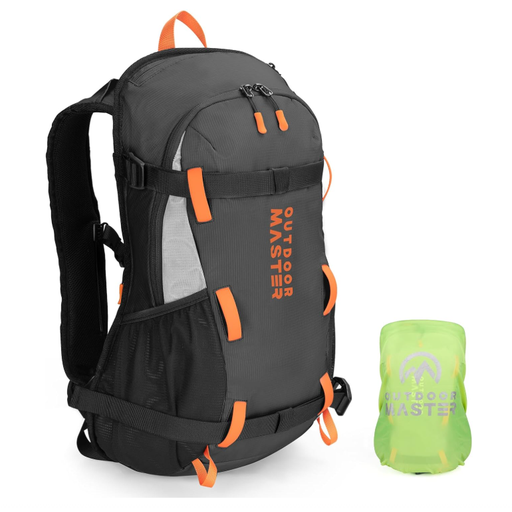
Why it suits this profile: With an 18-litre capacity, attachment loops and supportive straps, this rucksack is a good fit for hikers, winter sports enthusiasts and sports fans.
According to the product information, water-resistant fabric is paired with a separate rain cover. This is easier to verify than a general claim about rain protection.
3D breathable back panel, adjustable chest and waist straps, plus compatibility with a 2-litre hydration bladder. The bladder itself is not included.
We’ve put together a full, up-to-date list of products that meet these strict selection criteria and the applicable European safety requirements.
Don’t just look for the 15.6-inch label. Compare the internal dimensions of the laptop compartment with your laptop’s measurements, and check that there’s enough padding. A separate laptop compartment is more practical than a loose pocket in the main compartment.
How long it lasts depends on the material, seams, zips, load and care. A rucksack that’s packed heavily every day will wear out faster than one used for lighter loads. Put sharp objects in a separate case, don’t overload the bag and follow the manufacturer’s cleaning instructions.
First, check the washing or care instructions. Many models can be cleaned with a slightly damp cloth. Don’t use harsh cleaners if the manufacturer advises against them, and let the bag air-dry completely before storing it.
