
Vandaag of morgen in huis

Kwaliteit gegarandeerd

Welkomstaanbiedingen ontgrendelen: GRATIS bezorging | Tot 80% korting | Gratis 30 dagen JoyPlus-proefperiode
Download de app
Buying a ball seems simple, until the first outdoor training session. A football that feels heavy after a shower, a basketball that deflates quickly or a ball that is too large for a child can immediately take the fun out of playing. When choosing rubber sports balls, it is therefore not just about colour or price.
For parents, schools, sports clubs and recreational players, three things are particularly important: the right size, suitable materials and a construction that matches the playing environment. Below, you can read about common pitfalls and which product specifications to check before buying.
A ball can be technically sound but still awkward to play with if it is too large or too heavy. For example, a young footballer will have more control over a size 3 football than an adult-size 5 ball. A size 4 football is often used for junior players aged around 8 to 12.
Basketball sizes also vary. A size 3 basketball has a circumference of approximately 57 cm and, according to the product information, is intended for young players. A size 4 basketball is approximately 65 cm in circumference. Always check the size chart for the specific product, as age recommendations may vary between manufacturers.
A rubber football designed for grass can also be used on artificial grass or a playground, but asphalt and rough paving will accelerate wear. With an outdoor basketball, grip and the outer layer are particularly important. A smooth ball can be more difficult to hold in damp or muddy conditions.
Also pay attention to the meaning of terms such as water-resistant and waterproof. According to LONGSAIL’s product information, the seamless foam-rubber outer layer of certain footballs is designed not to absorb water. This is a product specification, not a guarantee that the ball will remain undamaged in every situation. Even a waterproof football should be cleaned after use and stored somewhere dry.
Words such as “extra strong” or “long-lasting” mean little without verifiable information. Therefore, look at details such as:
According to LONGSAIL’s own product information, the dual-valve system on the footballs mentioned is designed to help limit air loss. The product description also mentions a test involving 3,000 consecutive impacts at 50 km/h. Treat this as a test result provided by the brand, rather than a general guarantee for every use case.
Use the age recommendation as a starting point, but also check the actual dimensions:
For schools and families, a smaller ball is often more practical for initial exercises. For clubs, it is important to match the size to the training group and any competition rules.
Rubber is popular for outdoor sports balls because it is easy to clean and can withstand normal recreational use. According to the product description, a foam-rubber composite can provide softer ball contact. A moulded rubber basketball with a textured surface and deep grooves is particularly useful when grip on a driveway, playground or wet surface is important.
Pickleballs are a separate category. These balls are usually made from hard plastic and have carefully positioned holes. Outdoor pickleballs are designed for outdoor courts; indoor models have different flight characteristics and construction. Do not use them interchangeably if you expect a predictable bounce and flight.
Balls are often supplied deflated to reduce the risk of damage during transport. Therefore, check whether a pump and needles are included. Never inflate a ball indefinitely by feel alone. Ideally, use the recommended pressure or a pump with a pressure gauge.
Clean a rubber ball with a slightly damp cloth. Allow it to dry before storing it. Do not store sports balls in direct sunlight for long periods, near a radiator or next to sharp objects. Before every use, check for cracks, deformation and a damaged valve. For children under 3, there are additional considerations because of small parts such as a loose inflation needle.
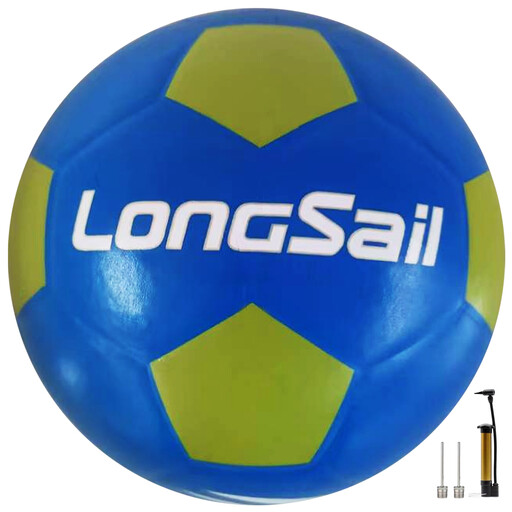
Why it suits this profile: The size is aimed at young children and beginners. According to the product information, the set includes a pump, inflation needle and mesh storage bag, so you do not need to buy extra accessories straight away.
The size prevents a young child from starting with a ball that is too large. According to LONGSAIL, the seamless outer layer is described as waterproof; however, check the ball after using it in wet conditions.
Size 3, foam-rubber composite, pump and storage bag included.
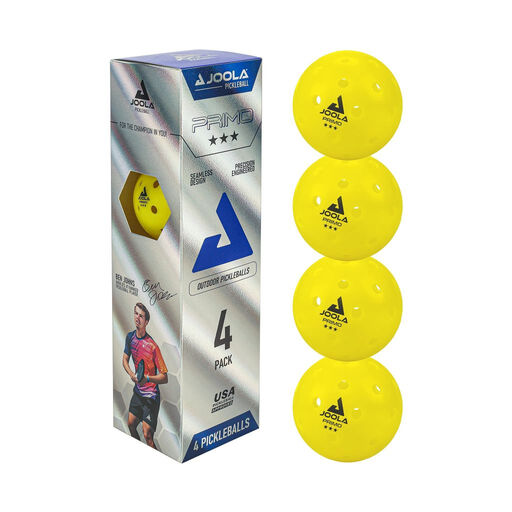
Why it suits this profile: For players who take pickleball seriously and value a consistent set for training or doubles play.
The 40 holes and hard plastic construction are clearly specified. You are therefore buying an outdoor model rather than a general-purpose ball with no stated playing environment.
Four outdoor pickleballs, hard plastic and 40 precisely positioned holes.
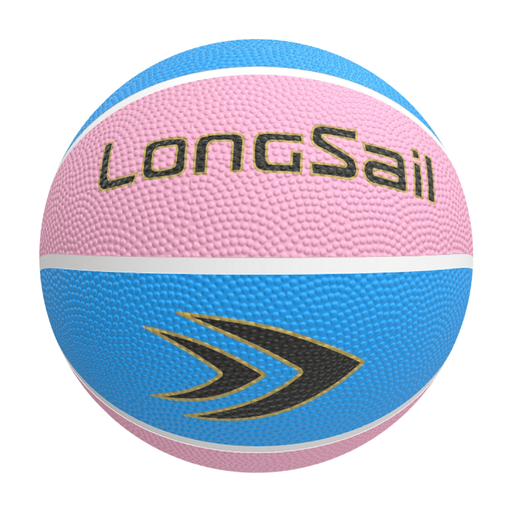
Why it suits this profile: The size is matched to young players and, according to the product description, the rubberised textured outer layer is designed for indoor and outdoor use.
The size designation and circumference are specified. The deep grooves and textured surface provide more grip than a smooth ball, particularly for recreational outdoor use.
Size 4, rubber composite, butyl bladder and pump with two needles included.
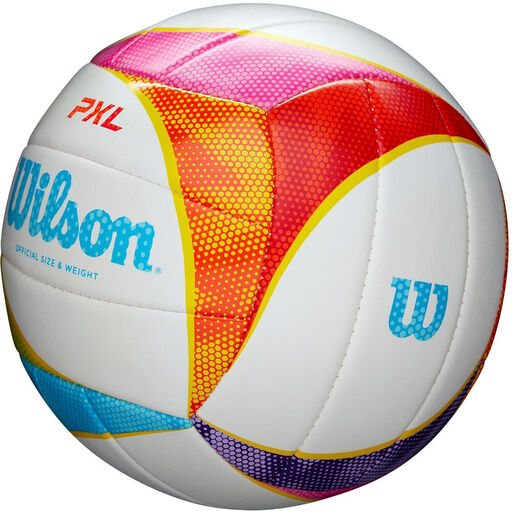
Why it suits this profile: This size 5 volleyball is intended for recreational use on the beach, in the garden, in the park or on an outdoor court.
The product information specifies the playing environment, dimensions and weight. This makes it clear that it is a recreational outdoor ball, rather than a specialist indoor ball.
Size 5, approximately 270 grams and soft-touch synthetic outer layer for recreational play.
We have put together a complete, up-to-date list of products that fully meet these strict selection criteria and the applicable European safety regulations.
Choose the right size first. For young children, a size 3 football or size 3 basketball is often easier to handle than a larger ball. Also check the weight, grip and safety warnings. Always supervise children when using a ball if required by the age recommendation.
Its lifespan depends on the surface, frequency of use, air pressure and storage. Asphalt, sharp stones and prolonged exposure to sunlight can damage the outer layer more quickly. A ball will generally last longer if you keep it at the recommended pressure, clean it and store it indoors.
That depends on the product. Some sets include a pump and one or more needles, while other balls are supplied without accessories. Check this before buying. A suitable inflation needle helps prevent damage to the valve; you can lightly moisten the needle before using it.
