
Vandaag of morgen in huis

Kwaliteit gegarandeerd

Welkomstaanbiedingen ontgrendelen: GRATIS bezorging | Tot 80% korting | Gratis 30 dagen JoyPlus-proefperiode
Download de app
A rubber basketball may seem like a straightforward purchase at first glance. However, choosing the wrong one can quickly result in a ball that bounces poorly, is difficult to hold or shows visible wear after just a few games. This is especially relevant when you are looking for a basketball for outdoor use but also want to use it indoors or on wet surfaces.
When comparing options, do not focus only on colour and price. The key differences lie in size, material, grip, air retention and playing surface. The checks below will help you avoid the most common buying mistakes.
A ball that is too large or too heavy makes dribbling and shooting more difficult for children. Conversely, an adult player may have less control with a small ball. Therefore, look at the circumference and intended use, rather than just the age stated on the packaging.
An outdoor basketball with a rubber outer layer is generally suitable for asphalt, concrete or a driveway. That does not automatically mean it will offer the same grip and bounce in all conditions. Rough concrete can wear down the outer layer more quickly than a smooth sports floor. An indoor basketball made from soft composite material is often more comfortable to hold, but may be less suitable for prolonged use on outdoor surfaces.
Some balls are supplied deflated and require a separate pump and needle. So, check whether the package includes a basketball with pump, needles and possibly a carry bag. This helps you avoid extra costs and means the ball can be used sooner.
The most common sizes have approximately the following circumferences:
Age recommendations vary between clubs, schools and competitions. For organised play, always check the regulations of the relevant organisation. For recreational use, hand size, strength and ball control are often just as important.
A rubber outer layer is worth considering if you are looking for a durable basketball for regular use on outdoor surfaces. Look for a tactile texture, deep grooves and an even pattern. These features can help with dribbling and passing, particularly when the ball is damp.
According to the product descriptions, the products in this selection use a moulded rubber outer layer, a butyl inner ball and reinforced nylon winding. These are verifiable construction features associated with shape retention and air retention. The precise playing experience may vary depending on the player and surface.
The balls are supplied deflated for transport and must be inflated before first use. Use the supplied needle and follow the recommended pressure shown on the product page. One product description states a guideline of 7–9 PSI for the size 5 and size 7 versions; always check the specification for your chosen variant.
A ball used outdoors requires simple maintenance:
A product claim regarding resistance to leaks is not a guarantee that a ball will never lose air. According to Longsail’s product descriptions, the seal is designed to provide leak resistance for up to 48 hours at the correct pressure; check the current product information for warranty terms.
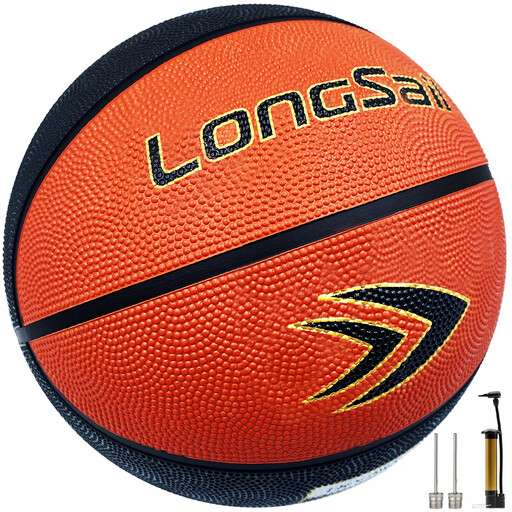
Why it suits this profile: The size 4 ball, with a circumference of approximately 65 cm, is easy for younger players to handle and comes with a hand pump, two needles and a storage bag.
The size and supplied accessories are clearly specified, so you do not need to buy a separate pump straight away.
Rubber outer layer, butyl inner ball, textured surface and suitability for indoor and outdoor use according to the product description.
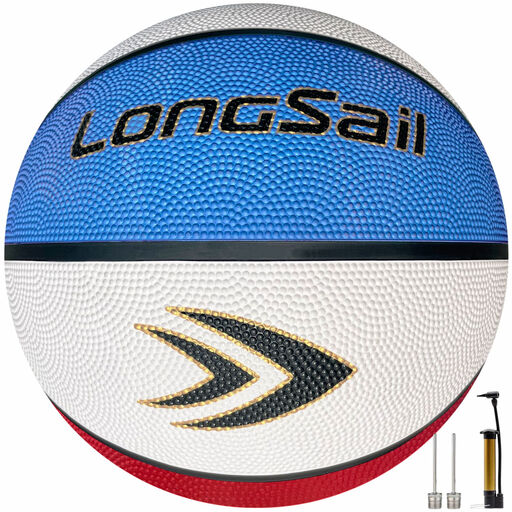
Why it suits this profile: The official size 7, with a circumference of approximately 75 cm, is suitable for adult players, older youths and training sessions where a standard-sized ball is preferred.
The product information specifies the size, rubber construction, grooves, deep texture and intended use on multiple surfaces.
Butyl inner ball, reinforced nylon winding, shock-resistant rubber outer layer and supplied pump, needles and carry bag.

Why it suits this profile: Size 5 is a practical choice for youth training, schools and recreational players looking for a manageable ball for indoor and outdoor use.
The ball has not been selected on appearance alone: the specifications mention its size, texture, air retention and a set with pump and accessories.
According to Longsail, the rubber version is water-resistant and features deep grooves; the set includes a bag and two needles.
We have put together a complete, up-to-date list of products that fully meet these strict selection criteria and the applicable European safety regulations.
Yes, a rubber basketball is generally a practical choice for asphalt, concrete, a driveway or a playground. However, check the surface specification and bear in mind that rough surfaces cause additional wear. A ball with a textured outer layer may also be suitable for recreational use on damp surfaces, but always follow the brand’s product information.
Size 3 or size 4 is often chosen for young children. Size 4 basketballs have a circumference of approximately 65 cm and are suitable for younger youth players. Size 5 basketballs, measuring around 70 cm, are more commonly suited to older children and youth training. Age recommendations are guidelines; hand size and playing comfort remain important.
Its lifespan depends on how intensively it is used, the playing surface, storage and air pressure. Do not leave the ball in direct sunlight or high temperatures for extended periods, and remove sand after use. A durable basketball can last longer with normal recreational use when kept clean and stored at the correct pressure. Check the outer layer and valve regularly for cracks or deformation.
