
Vandaag of morgen in huis

Kwaliteit gegarandeerd

Welkomstaanbiedingen ontgrendelen: GRATIS bezorging | Tot 80% korting | Gratis 30 dagen JoyPlus-proefperiode
Download de app
The sun is shining, the barbecue is lit, or you have friends over for a get-together. The question isn't if a bottle of wine will be opened, but which one. Choosing a rosé wine is an easy decision, but that's where the real search begins. The shelves are filled with bottles from different countries, in shades ranging from pale salmon to deep raspberry. Will you go for still, sparkling, dry, or perhaps even a rosé port?
As a Joybuy Product Recommendation Officer, I'm here to guide you. In this article, you'll find practical tips for choosing a rosé that suits your taste, and we'll highlight several interesting options. This way, you can confidently buy rosé for any occasion.
The world of rosé is surprisingly diverse. By paying attention to a few key details, you can more easily find a wine that matches your taste and the occasion.
Not all rosé is the same. The most common variety is still rosé: a classic, non-sparkling wine that's perfect as a summer wine. Then there's sparkling rosé, such as a cava rosé. These bubbly wines are ideal for a festive aperitif. A lesser-known but intriguing category is fortified rosé, like rosé port. It has a higher alcohol content and a fuller, often slightly sweeter flavor profile, making it an interesting after-dinner alternative.
The origin says a lot about the wine's style. A Spanish rosé is often fruity and full-bodied, made from grapes like Tempranillo or Garnacha. A Portuguese rosé can range from light and crisp to the unique, fortified port style from the Douro Valley. Each region imparts its own character to the wine, which makes exploring different origins a fun experience.
You often hear the term dry rosé, but what does it mean? A dry wine contains little to no residual sugar. As a result, the taste isn't sweet, but rather crisp and sometimes more taut. This is often balanced by fruity aromas of strawberry, raspberry, or citrus. On the label of a sparkling wine, the term 'Brut' indicates a dry style. For still wines, the description often gives an indication of the flavor balance.
To give you an idea of the diversity, we've highlighted three different types of rosé. These recommendations are based on their specifications and unique characteristics.
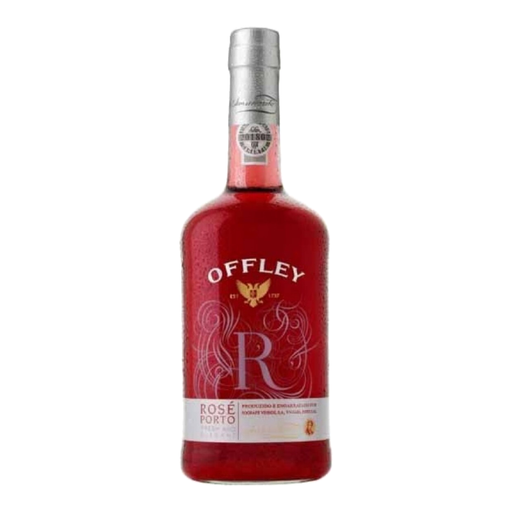
Why it stands out: This isn't a standard rosé, but a surprising rosé port from the famous Douro region in Portugal. It offers a completely different flavor profile than what you'd expect from a typical rosé.
Advantages:
Who is it for? For the adventurous wine drinker who wants to try something different. An excellent choice to pair with a fruit dessert or as an after-dinner digestif.
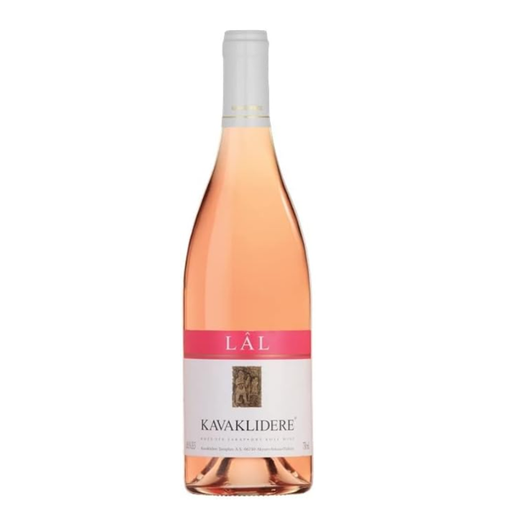
Why it stands out: A classic, refreshing dry rosé from Turkey. This wine is crafted to showcase pure fruit character and an elegant balance.
Advantages:
Who is it for? For lovers of a traditional, dry, and fruity rosé. A reliable choice for a sunny afternoon, a light lunch, or drinks with appetizers.
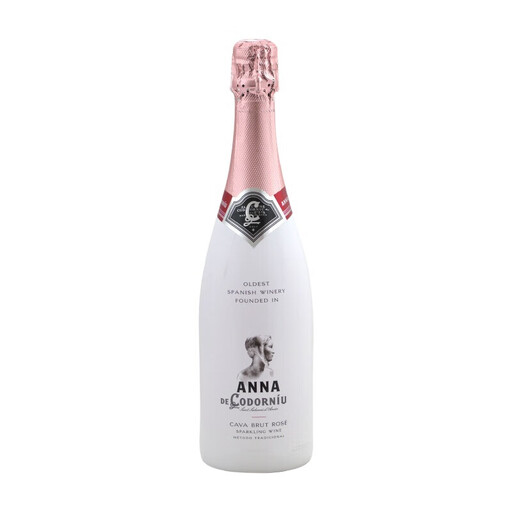
Why it stands out: An elegant cava rosé from the renowned Spanish house of Codorniu. This sparkling rosé combines the festivity of bubbles with the fruity charm of rosé.
Advantages:
Who is it for? Ideal for festive moments, as an aperitif, or for those who enjoy a refined, dry bubbly. A stylish choice for making a toast.
This selection is just a small glimpse into the world of rosé. Every bottle tells its own story, depending on the grape, the region, and the winemaker. Curious about other styles, from a light Provence rosé to a robust Italian variety?
Explore all rosé wines on Joybuy
Rosé is exceptionally versatile. A light, dry rosé pairs well with salads, grilled fish, shellfish, and light pasta dishes. A more robust, fruity rosé can even stand up to grilled meats from the barbecue, tapas, and mildly spicy dishes. Sparkling rosé is a classic aperitif served with light appetizers.
Once opened, a bottle of still rosé is best stored tightly sealed in the refrigerator. The wine will stay fresh for about 3 to 5 days. A sparkling rosé loses its bubbles more quickly; it's best to drink it within 1 to 3 days using a special champagne stopper. A fortified rosé, like rosé port, has a longer shelf life thanks to its higher alcohol content, often lasting several weeks in the refrigerator.
Generally, no. Most rosé wines are made to be enjoyed young and fresh, ideally within one to two years of the vintage date on the bottle. Their charm lies in the vibrant fruit aromas and crispness, which diminish over time. There are a few exceptions, such as certain complex rosés from Provence or a rosé port, which can be aged a bit longer.
