
Vandaag of morgen in huis

Kwaliteit gegarandeerd

Welkomstaanbiedingen ontgrendelen: GRATIS bezorging | Tot 80% korting | Gratis 30 dagen JoyPlus-proefperiode
Download de app
When the sun starts to shine, rosé wine is never far behind. But the shelves are packed: from pale pink to deep raspberry, from bone-dry to soft and sweet. The choice can be overwhelming. Which bottle is right for your drinks, barbecue, or dinner?
This guide is designed to help you make the right choice. We'll skip the marketing jargon and focus on what really matters: flavour, origin, and occasion. This way, you'll find a rosé wine that's perfect for you.
Before you pick a bottle, it's helpful to consider a few things. This will make your search much simpler.
The most important question is what style you prefer.
The region where the wine comes from provides a good indication of its style.
Are you looking for a good rosé deal for a large group, or a specific bottle for a dinner party? An uncomplicated house wine in a litre bottle is ideal for a barbecue. For a dinner with grilled fish, you might want to invest in a refined dry rosé that complements the flavours of the dish.
Based on specifications and flavour profiles, we've selected a few interesting options for you.
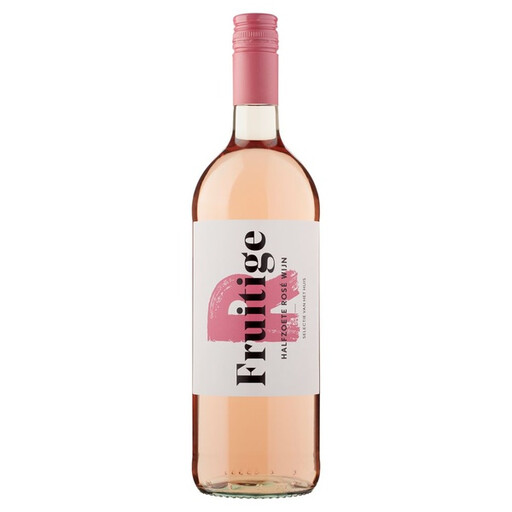
Why it stands out This house wine combines an approachable, off-dry flavour with the convenience of a one-litre bottle. It's a straightforward choice that appeals to a wide audience.
Advantages
Who is it for? Ideal for anyone looking for an affordable and easy-drinking sweet rosé for a party, casual drinks, or just a weeknight.
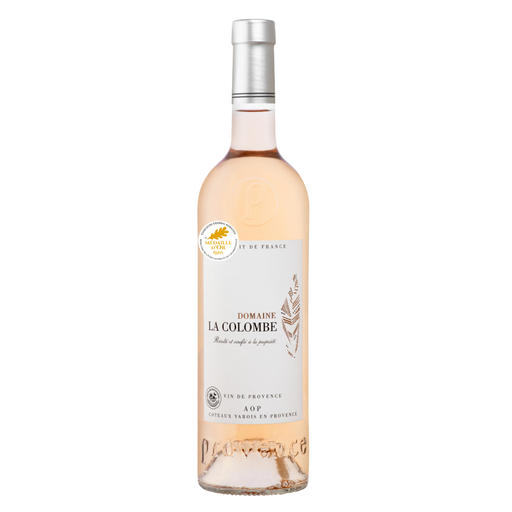
Why it stands out This is a classic Provence rosé: elegant, dry, and refined. Its pale pink colour and crisp taste make it a textbook example of the popular Southern French style.
Advantages
Who is it for? For the enthusiast of a classic, dry rosé. A great choice for dinner, a summer lunch, or for drinks where quality is a priority.
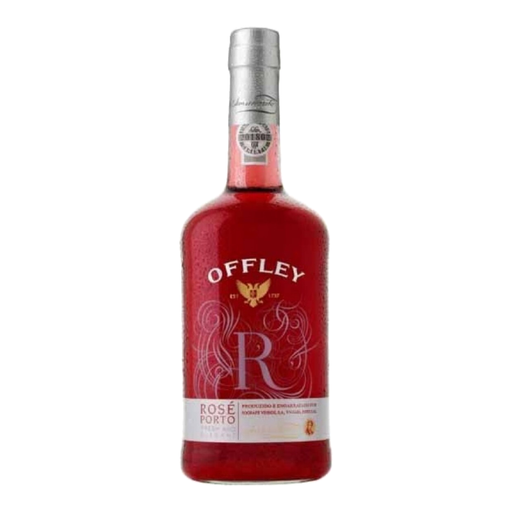
Why it stands out This rosé port is something completely different. It's not a standard wine, but a fortified wine from Portugal with a higher alcohol content (19.5%) and a more complex flavour profile.
Advantages
Who is it for? For the adventurous drinker who wants to try something different from the standard rosé. Perfect as an aperitif, in a mixed drink, or with light, fruit-based desserts.
Taste is personal, and your perfect bottle might not be among these selections. Our range is much broader and includes many more options from different regions and at various price points.
Explore more pink drinks here
1. What is the difference between a dry and a sweet rosé? The difference lies in the amount of residual sugar. A dry rosé has little to no residual sugar, resulting in a crisp, often slightly acidic taste. A sweet rosé (or off-dry) has more residual sugar, which makes the wine feel rounder and softer on the palate.
2. What is the best way to serve rosé? Rosé wine should be served chilled. The ideal serving temperature is between 8 and 10 degrees Celsius. If it's too cold, you'll miss out on the aromas; too warm, and the wine loses its freshness. Half an hour to an hour in the refrigerator is usually sufficient.
3. Is more expensive rosé always better? Not necessarily. A wine's price is determined by many factors, such as its origin (a Provence rosé is often more expensive), production method, scarcity, and marketing. An affordable house wine can be perfect for a casual get-together, while a pricier bottle can prove its worth at a special dinner. The most important thing is that the wine suits your taste and the occasion.
Joybuy Product Recommendation Officer
