
Vandaag of morgen in huis

Kwaliteit gegarandeerd

Welkomstaanbiedingen ontgrendelen: GRATIS bezorging | Tot 80% korting | Gratis 30 dagen JoyPlus-proefperiode
Download de app
Opening a bottle of rosé feels like the start of summer. It's perfect for a barbecue, drinks on the balcony, or simply as a refreshing treat after a long day. But the shelves are packed, and the online selection is overwhelming. One bottle is even paler than the next, and the prices vary enormously. How can you be sure you're picking a good bottle?
As a Product Recommendation Officer at Joybuy, I see daily how marketing can influence choices. Many people fall into the same traps. Let's discuss a few so you can avoid them.
Provence rosé wines are indeed light in colour, the shade itself is not a reliable indicator of taste or quality. It's a production style that's easy to imitate, meaning you sometimes pay for the look, not the contents.fruity rosé, it's rarely necessary to pay top dollar.To find a bottle that truly suits your taste, it's better to focus on a few concrete specifications. These objective characteristics provide a much clearer picture of what to expect.
Instead of focusing on vague terms like 'dry' or 'sweet', look at the grape varieties used and the region of origin.
Rosé is more than just the standard still wine. Depending on the occasion, you might consider other types.
Based on these objective criteria, we've selected a few popular choices that suit different preferences and budgets.
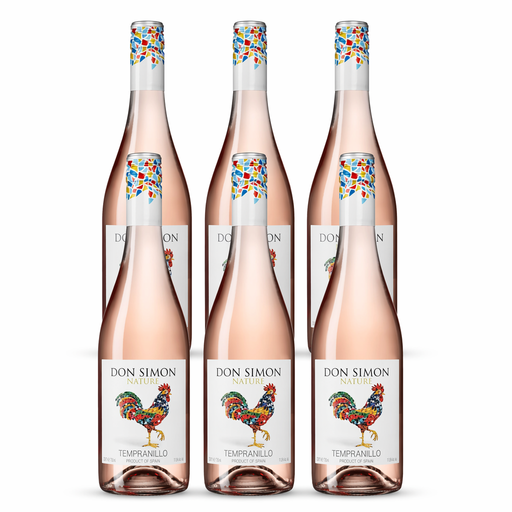
Why This Fits Their Persona: Ideal for anyone seeking an accessible and affordable wine for a barbecue or party. This Spanish rosé is fruity and straightforward, and the case offers excellent value for money.
This wine bypasses the price-quality illusion. You get a reliable, fruity rosé for a great price, without paying for an expensive brand or a luxury bottle. A true rosé deal.
Made from Tempranillo & Garnacha grapes for a fresh and fruity profile. The six-bottle case is practical for larger gatherings.
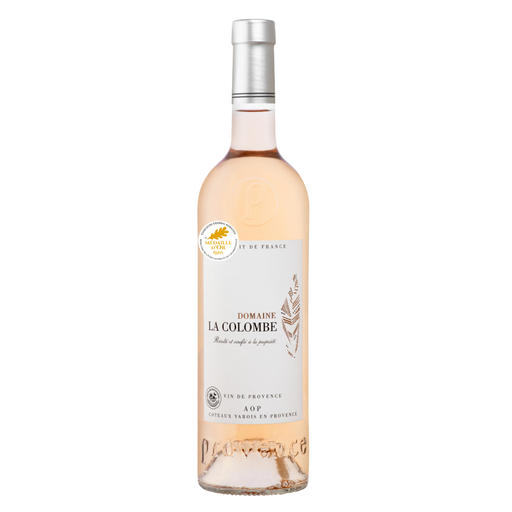
Why This Fits Their Persona: For those seeking a refined, classic rosé for a light meal or a special occasion. This wine delivers the elegant, dry style for which Provence is renowned.
This is no imitation, but an authentic Provence rosé. You avoid the light-colour fallacy by choosing a wine that actually comes from the famed region and delivers the corresponding flavour.
A stylish, dry rosé with notes of strawberry, raspberry, and subtle citrus. Pairs excellently with salads, grilled fish, and shellfish.
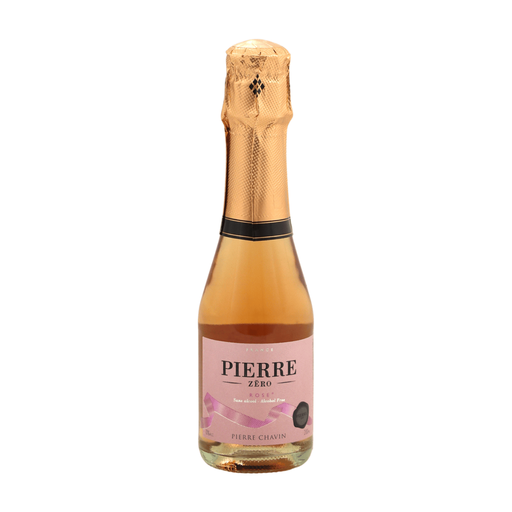
Why This Fits Their Persona: Perfect for those who don't drink alcohol but still want to join in the toast. This festive, sparkling option in a convenient single-serving bottle offers a full-flavoured experience without alcohol.
This product is crystal clear about what it is: an alcohol-free rosé with 0.0% alcohol. No confusing labels, just a clear choice for a specific need.
A sparkling rosé with delicate bubbles and fruity aromas. The 200ml format is ideal for one person and prevents waste.
We have compiled a complete, up-to-date list of products that fully meet these strict selection criteria and regulations.
An opened bottle of rosé can be kept in the refrigerator for about 3 to 5 days, if tightly sealed with a cork or a vacuum sealer. The fresh, fruity flavours will slowly diminish after the first day. A sparkling rosé will lose its bubbles much faster, often within a day.
The colour of a rosé is determined by how long the skins of the red grapes remain in contact with the juice. A shorter contact time results in a light rosé, often with subtle, delicate flavours. A longer contact time yields a darker colour and typically a fuller, more robust flavour with more red fruit. The colour is therefore an indication of style, but not necessarily of quality.
Rosé is best served chilled, but not ice-cold. The ideal serving temperature is between 8 and 12 degrees Celsius (46-54°F). If the wine is too cold, many of its subtle aromas and flavours will be lost. Take the bottle out of the fridge about 15-20 minutes before serving to let it come up to temperature slightly.
