
Vandaag of morgen in huis

Kwaliteit gegarandeerd

Welkomstaanbiedingen ontgrendelen: GRATIS bezorging | Tot 80% korting | Gratis 30 dagen JoyPlus-proefperiode
Download de app
An open-plan layout is desirable, but sometimes you need clear separation. Whether you want to define a home office in your living room, create a sleeping area in a studio apartment, or simply add more privacy, a room divider offers a practical and stylish solution.
However, the market is vast, with options ranging from flexible folding screens to sturdy bookcases that double as partitions. To help you make the right choice, we've compiled an overview of functional options and practical tips based on product specifications.
Before making a decision, it's helpful to consider a few key points. This will help you find a model that perfectly suits your space and requirements.
Consider the primary purpose of your room divider. Are you looking for a quick, flexible solution for more privacy? A lightweight and folding screen is often sufficient. If you need extra storage space in addition to a partition, consider a bookcase as a room divider. This combines two functions in one and creates a more permanent, robust separation.
The material determines the aesthetic and durability. A wooden room divider lends a warm, natural atmosphere and is generally sturdy. Materials like fabric combined with a metal frame are lighter and easier to move. If you plan to use a room divider outdoors, for instance on a balcony or patio, opt for weather-resistant materials. For example, the manufacturer vidaXL notes that solid acacia wood, a tropical hardwood, is sturdy and durable, and that the accompanying fabric is weather-resistant.
Carefully measure the area where the partition wall will be placed. Pay attention to both the width and the height. A foldable privacy screen offers maximum flexibility; you can easily fold it away for storage when it's not needed. An open shelving unit is a more static solution, but it defines the space more clearly.
Based on functionality, material, and versatility, we've highlighted some popular choices for you.

Why It Stands Out This folding screen combines a sturdy wooden frame with a cream-white fabric. According to the manufacturer, the solid acacia wood is a durable tropical hardwood, and the fabric is weather-resistant, making this screen suitable for both indoor and outdoor use.
Benefits
Who Is It For? For those seeking a flexible and stylish partition that can be used in the living room, on the balcony, or in the garden. Ideal for creating a private nook.
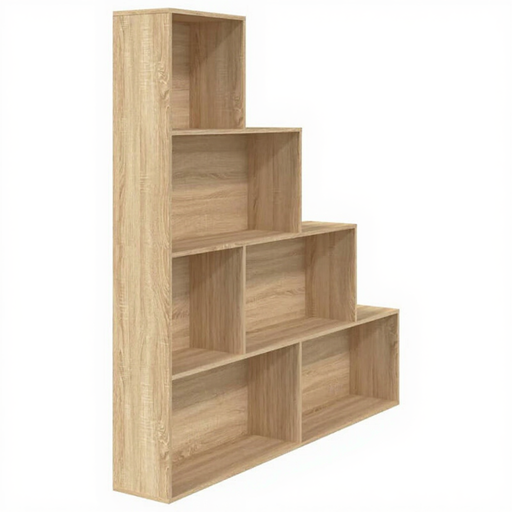
Why It Stands Out This bookcase is a clever, dual-function solution. It serves as a partition wall while providing ample storage with its six spacious, open compartments. Its sleek design complements modern interiors.
Benefits
Who Is It For? For those seeking a practical and permanent solution to divide a large room while maximizing storage space. Perfect for studio apartments or open-plan living rooms.

Why It Stands Out This is a lightweight and functional privacy screen. Its powder-coated iron frame and fabric screens (100% polyester) make it easy to move and store. The black color offers a sleek, neutral aesthetic.
Benefits
Who Is It For? For those who need an affordable, lightweight, and easily portable solution. It's useful for dorm rooms, temporary home office setups, or for quickly concealing a cluttered corner.
The warmth and texture of wood can instantly transform the atmosphere of a room. If you're specifically looking for a room divider with a natural aesthetic, there are many more options to explore.
Drawn to the appeal of wood? Browse our extensive selection of wooden room dividers for more styles and sizes.
Bekijk alle houten roomdividers
1. What is the difference between a folding screen and a room divider? A room divider is the general term for any object used to divide a space. A folding screen is a specific type of room divider, typically consisting of multiple hinged panels that can be folded. Other types of room dividers include shelving units, curtains, or fixed panels.
2. Can a bookcase really serve as a room divider? Absolutely. An open bookcase as a room divider is a popular choice because it allows light to pass through and doesn't completely enclose the space, while still creating a clear division. It also provides valuable storage. Pay close attention to stability; a tall, narrow unit should ideally be anchored to the floor or wall, depending on the circumstances.
3. How do I make a freestanding room divider stable? Most folding screens are designed to stand stably when their panels are arranged in a slight zigzag formation. Avoid placing the screen in a completely straight line, as this makes it more prone to tipping over. For heavier models like bookcases, it is recommended to follow the manufacturer's assembly instructions.
