
Anyone planning snacks to share
You want to serve a roll in halves or substantial pieces for tea time with children. Consider the size of the whole roll and decide how much to serve when you cut it up.


Choose a whole roll that you can cut into halves or substantial pieces after baking; with these rolls, ‘thickly sliced’ is really just a way of serving them. If fibre is a priority, compare the nutritional information per 100 g and check whether wholemeal flour is listed. Before packing, check the latest label for allergens and ask about the school or childcare setting’s food policy.
You want to serve a roll in halves or substantial pieces for tea time with children. Consider the size of the whole roll and decide how much to serve when you cut it up.
You want to compare the fibre content of different rolls. Check the nutritional information per 100 g and separately confirm whether a roll is described as wholemeal; ‘multigrain’ doesn’t automatically mean that it is.
Before packing a roll, you need to know which ingredients and potential allergens are listed on the label. Also make sure your choice suits the child’s needs and complies with the school or childcare setting’s food policy.
First decide whether sharing, fibre, allergens or preparation is your main priority for tea time. Then compare the rolls that meet your needs.
| What to consider | What to check before buying | Who it matters to |
|---|---|---|
| A substantial portion that’s easy to share | Check the weight of each roll or the pack size, and consider whether you can cut the whole roll into suitable pieces. | If you want to share a roll as a substantial snack, it helps to choose one that’s easy to divide after baking. Sharing is the top priority for around 33% of consumers. |
| Fibre and type of bread | Compare the fibre content per 100 g and look for an explicit mention of wholemeal flour; don’t rely on the colour or the word ‘multigrain’ alone. | If rolls are a regular part of your meals, you may want to focus on the type of bread and its fibre content. Around 27% of consumers put this choice first. |
| Allergens and school food policies | Read the latest label, including information about the possible presence of allergens, and ask about the school or childcare setting’s food policy. | If a child needs to avoid certain ingredients or there are rules about food brought in from home, these will determine which roll you can pack. This is the main concern for around 20% of consumers. |
| Storage and preparation | Check whether the rolls are fresh, ready to bake or frozen, and read the preparation and defrosting instructions. | If you want to stock up in advance but serve the rolls at tea time, it’s important to plan the preparation they’ll need. Around 20% of consumers put this practical consideration first. |
The colour and name of a roll don’t tell you how much fibre it contains or whether it’s made with wholemeal flour.
If this is one of your main criteria, check the ingredients and compare the stated fibre content per 100 g.
According to the Voedingscentrum, bakers aren’t required to use baker’s salt. So you can’t tell whether it’s used just from the type of bread.
For packaged rolls, look for baker’s salt or iodised salt in the ingredients list, or ask about it when buying loose rolls.
The regular rolls reviewed list cereals containing gluten. If a child needs to eat gluten-free, contact with other products while cutting or filling the roll is also something to consider.
In that case, choose a product clearly labelled gluten-free, read the latest label and follow any individual food requirements when preparing it.
For the Jumbo frozen rolls reviewed, the product instructions say not to refreeze them after defrosting and to bake and eat them within 24 hours.
Defrost only as many rolls as you need for tea time, and follow the instructions on the packaging.
Compare the specific roll from each brand: the type of bread, ingredients, nutritional value and preparation instructions can vary from product to product.
An option for comparing an individual wholemeal roll with other types of bread.
Offers white, brown and frozen rolls, among other options, to compare by type of bread and preparation.
Worth considering if you want to bake multigrain rolls and compare the nutritional information per 100 g.
An option if you’re looking for bake-at-home multigrain rolls in a pack of four.
Worth considering if you want to compare an individual white roll with packaged options.
An option if you’re looking for a white roll from the in-store bakery.
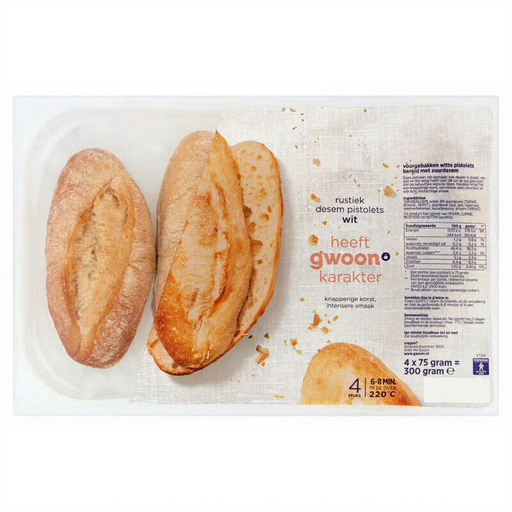
This white roll suits tea time when you want to cut a whole roll into pieces yourself. If you’re choosing based on fibre or allergens, also compare the latest nutritional information and ingredients.
 No image available
For a snack, bake a whole roll and cut it into halves or pieces yourself.
The pack contains four rolls. If it matters to your choice, check the nutritional information per 100 g and the preparation instructions on the packaging.
The product description lists cereals containing gluten, lupin, mustard, nuts and sesame in the allergen information. Before packing, read the latest label and follow the school or childcare setting’s food policy.
Bake the whole roll according to the packaging, then cut it into halves or substantial pieces. Consider whether the pieces are the right size for the child and the other food you’re serving.
Don’t simply choose a regular roll: the white, brown, wholemeal and multigrain versions reviewed all list cereals containing gluten. Check that any alternative is clearly labelled gluten-free, read the latest label and take care to avoid cross-contamination during preparation.
No, the use of iodised baker’s salt varies between rolls. According to the Voedingscentrum, bakers aren’t required to use it. For packaged products, check the ingredients list, or ask which salt has been used when buying loose rolls.
Defrost the number you expect to use for tea time and follow the instructions for your chosen product. The instructions for the Jumbo frozen rolls reviewed say not to refreeze them after defrosting and to bake and eat them within 24 hours.