
Vandaag of morgen in huis

Kwaliteit gegarandeerd

Welkomstaanbiedingen ontgrendelen: GRATIS bezorging | Tot 80% korting | Gratis 30 dagen JoyPlus-proefperiode
Download de app
Choosing a new roller blind seems simple—until you start looking online. The options are overwhelming, and the promises are often too good to be true. Many people fall into the same traps: a "room-darkening" blind that still lets light in, a size that doesn't quite fit, or a mechanism that starts to jam after just a few months.
As a Joybuy Product Recommendation Officer, I see where things go wrong every day. The goal of this article isn't to tell you what to buy, but to show you what to look for. This way, you can avoid a bad purchase and find a roller blind that truly suits your home and your needs.
We'll cover the most common problems and the specifications that really matter.
Before you make a choice, it's wise to know the most common mistakes. This will save you not only money but also a great deal of frustration.
To avoid the pitfalls mentioned above, you can focus on a few concrete product features. These specifications determine whether a roller blind will perform its function well.
The term room-darkening roller blind can be misleading. Therefore, pay close attention to the actual properties of the fabric.
A proper fit is crucial to prevent light gaps. When checking the product information, note the difference between the fabric width and the total width of the system.
With many roller blinds, such as those from vidaXL, the total width of the top rail, including mounting hardware, is 3 cm wider than the fabric itself. Measure the width where you intend to mount the blind (inside or outside the frame) and take this into account. This ensures the fabric completely covers the window.
Not everyone needs the same thing. Below are some popular choices, matched with specific user profiles.
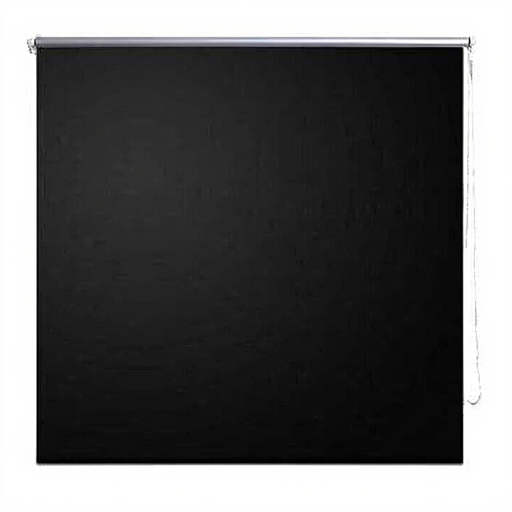
Why it's a match: This user wants a completely dark bedroom for an undisturbed night's sleep. Functionality and 100% light-blocking are the only priorities.
This is a true blackout roller blind thanks to its thermoplastic silver coating. It's not just 'room-darkening'; it blocks light completely.
The coating provides thermal insulation, which helps keep the bedroom temperature more comfortable all year round.
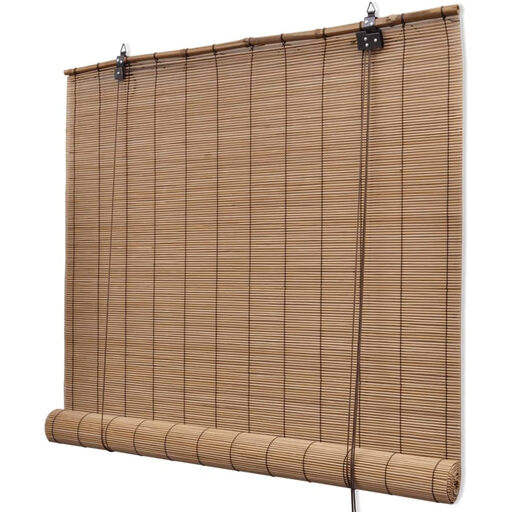
Why it's a match: For those who prioritise atmosphere and a natural look in their living room or office. Complete darkness isn't necessary, but privacy is.
This bamboo roller blind is honestly presented as light-filtering, not blackout. It's a deliberate choice for ambience, not a failed attempt at darkness.
Made from natural bamboo that filters light beautifully. It adds warmth and texture to the interior and is easy to clean with a feather duster.
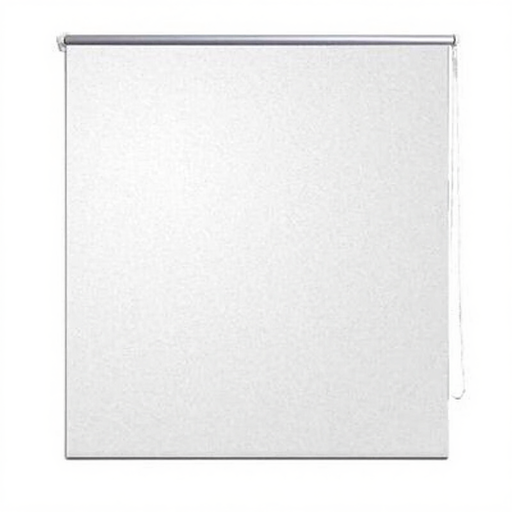
Why it's a match: This user is looking for an affordable and functional solution for a standard window. It needs to do what it promises: provide blackout and be easy to install.
The product information is clear about the dimensions: the total width is 3 cm more than the fabric. This helps the user avoid measurement errors and ensure a good fit.
Comes with all mounting accessories, and the pull chain can be mounted on either the left or right side, making installation flexible and straightforward.
We have compiled a complete, up-to-date list of products that meet these selection criteria and relevant safety standards.
A room-darkening (dim-out) roller blind makes a room darker but doesn't block light completely. A blackout roller blind allows no light to pass through, often thanks to a special coating. For a bedroom, a blackout model is the recommended choice.
Measure the width where you plan to install the roller blind. If you are mounting it 'inside the recess' (inside the window frame), measure the exact internal width and subtract a small margin (e.g., 0.5 cm). If you are mounting it 'outside the recess' (on the frame or wall), ensure the fabric overlaps the window by at least a few centimetres on each side to prevent light gaps. Always check the product information regarding the total width of the system.
Yes, most roller blinds are designed for self-installation. Products like the vidaXL roller blinds come with the necessary mounting accessories and an instruction manual. Installation typically requires drilling into the window frame, wall, or ceiling. With basic tools, it's a job that most people can do themselves.
