
Vandaag of morgen in huis

Kwaliteit gegarandeerd

Welkomstaanbiedingen ontgrendelen: GRATIS bezorging | Tot 80% korting | Gratis 30 dagen JoyPlus-proefperiode
Download de app
Buying dates may seem straightforward, but the options vary considerably in size, texture, stones, ingredients and packaging. A large bag isn’t necessarily good value if the dates are too dry for your recipe. Terms such as “natural”, “premium” or “healthy” can also give an incomplete picture.
So keep an eye out for these three common pitfalls:
Medjoul dates are usually large, soft and fleshy. They’re ideal for snacking, serving with tea or coffee and using in desserts where you want a soft texture. According to the product information, the 908 g Zohra Medjoul dates are packed in Turkey and contain only dates.
Chinese dates, red dates and jujubes are often a little firmer and are widely used in tea, soup, porridge and desserts. Some varieties are pitted, while others are sold with their stones. Their flavour and texture can vary from one harvest and product to another.
Dried dates are handy for baking, granola and smoothies. Check that they’re still soft enough to chop or blend. For children, a small, soft portion that’s suitable for them may be more practical than large whole fruits.
Don’t just look at the front of the pack. The ingredients list tells you whether the product is made from 100% dates or jujubes, or whether extra sugar, syrup, oil, chocolate or flavourings have been added.
Here are a few examples:
If you’re looking for dates as a healthy snack, it’s worth looking beyond the marketing and checking the details: how many ingredients are listed, how many grams of sugar are in a portion, and whether the ingredients suit your diet.
Pitted dates are handy for baking or using as a filling. Even with pitted products, check the warnings on the packaging. Red Farmer Union Honey Jujubes state that a stone fragment may occasionally remain due to mechanical pitting.
Also check:
Dates and jujubes are generally best stored in a cool, dry place away from direct sunlight. Always follow the instructions on the packaging, especially after opening.
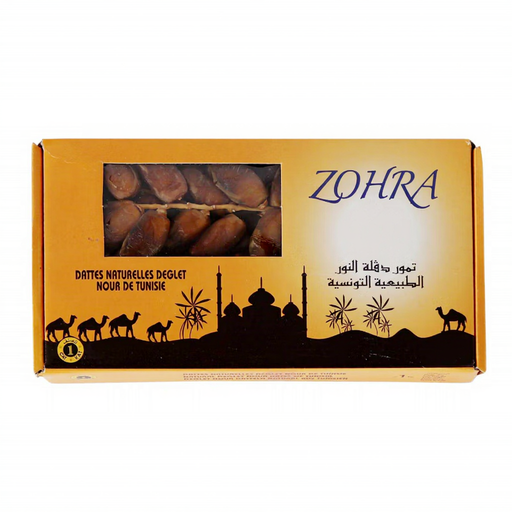
Why it suits this profile: The 1 kg pack is a good choice for regular snacking, baking and adding to breakfast dishes.
The ingredients list states 100% dried dates. This makes it clear that, according to the product information, no extra sugar or preservatives have been added.
1 kg pack, grown in Turkey and suitable for snacking, cakes, biscuits, granola and smoothies.
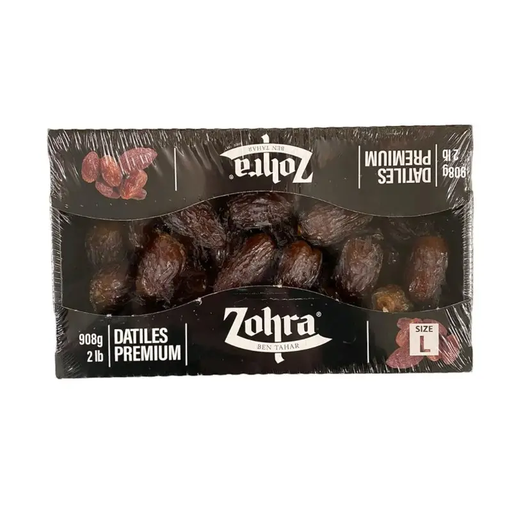
Why it suits this profile: The L size and soft, creamy texture make these a good choice for anyone who prefers to eat dates as they are or serve them with tea and coffee.
The product information distinguishes Medjoul dates from regular dried dates and lists dates as the only ingredient.
908 g, size L, grown in Turkey and ideal for stuffing with walnuts, cheese or peanut butter.

Why it suits this profile: These pitted Chinese jujubes are handy for tea, soup, cooking, baking and everyday use.
The packaging lists red dates as an ingredient and describes the product as pitted. Even so, check for any fragments after opening, as you would with any mechanically pitted product.
500 g, with no added ingredients according to the label, and suitable for a range of ways of preparing them.
For families specifically looking for organic dates for children, De Kleine Keuken organic dates 12+ is another option. According to the product information, it contains dates and rice flour, is intended for children aged 12 months and over, and contains no sulphites. Check the age guidance and preparation instructions, and follow the advice to keep young children sitting upright while eating.
We’ve put together a complete, up-to-date list of products that fully meet these strict selection criteria and current European safety regulations.
No. Medjoul is a specific type of date that is often larger and softer. Regular dried dates may be smaller and firmer. Always check the size, texture and product name.
Follow the label and store them in a cool, dry place away from direct sunlight. Seal the pack securely to help prevent them drying out or absorbing moisture. If the original packaging doesn’t reseal properly, use an airtight container.
Yes. Chinese dates and jujubes are often used in tea, porridge, soup and desserts. Medjoul dates are suitable for fillings, baking, smoothies and desserts thanks to their soft texture. For products containing several ingredients, check the ingredients list and allergen information first.
