
Vandaag of morgen in huis

Kwaliteit gegarandeerd

Welkomstaanbiedingen ontgrendelen: GRATIS bezorging | Tot 80% korting | Gratis 30 dagen JoyPlus-proefperiode
Download de app
A robot vacuum with a mopping function can keep on top of dust, crumbs and hair every day, without you having to get out the vacuum cleaner and mop yourself. However, not every model is suitable for every home. For example, a high suction power figure on the packaging says little about performance on deep-pile carpets, while a mopping module does not automatically replace a thorough clean.
This guide explains which specifications matter, which marketing claims to view critically and what type of smart robot vacuum is right for your household.
Suction power is often expressed in Pa, but this figure is not directly comparable between brands. The brush, airflow, filter, flooring and selected cleaning mode also affect the result. A model with a powerful vacuum motor may look impressive on paper, but without a good brush it does not always offer a practical advantage when dealing with pet hair.
You should also look at:
A robot vacuum with a mopping function usually uses a damp cloth or rotating mop pads. This is mainly intended for fine dust and light stains on hard floors. The appliance is not designed to suck up puddles or large amounts of liquid.
Check whether the model:
A robot vacuum for carpets and hard floors should ideally have a clear carpet mode or an automatic mop lift. Also check the maximum threshold height if you have several rooms with door sills.
A robot vacuum with a self-cleaning station reduces maintenance, but does not eliminate it. Depending on the model, you may still need to empty dirty water, clean filters, remove hair from the brush and replace dust bags or dust containers.
According to the product descriptions of some brands, a station can collect dust for several weeks. The actual period depends on the number of people in the household, pets, floor area and amount of dirt.
A robot vacuum with LiDAR navigation uses lasers to map your home and generally moves more systematically than a model that travels randomly. This is useful in homes with multiple rooms or lots of furniture.
Also look for:
No system can guarantee that it will recognise every small object. It is therefore best to remove cables and loose socks from the floor beforehand.
A basic cloth is simpler and often requires more manual maintenance. A more advanced station can wash and dry the mop, empty the robot and sometimes refill the water. According to manufacturers’ product descriptions, hot-air drying helps dry the mop after use, but you should still check the tank and base regularly.
Do not just look for “self-cleaning”; also consider:
The stated battery life often applies to a low or standard setting. On carpets, with maximum suction power and the mopping function active, the operating time is usually shorter. A robot that automatically returns to the station and then resumes cleaning is therefore often more practical than one that simply boasts a high number of minutes on the packaging.
Also measure where the station will be placed. For the JONR T5 Pro, for example, it is stated that at least 0.5 metres of space is required on both sides and 1.5 metres in front. A station placed in a niche that is too narrow may make it difficult for the robot to return.
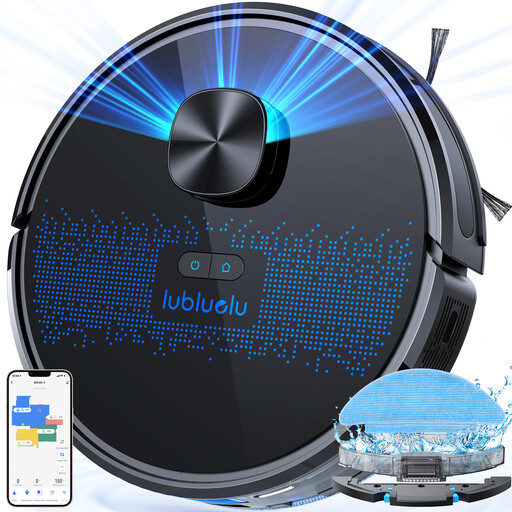
Why it suits this profile: This model combines vacuuming and damp mopping with laser navigation, app control and support for up to five maps. It is a practical choice for a flat or a household looking for a straightforward basic solution.
The product information mentions systematic laser mapping, adjustable zones and a separate choice between vacuuming and mopping. This allows you to tailor the cleaning more effectively to each space.
Stated suction power of 4000 Pa, app control, virtual boundaries and five saved floor maps.

Why it suits this profile: Suitable for anyone looking for extensive automation in a home with pets, carpets and hard floors. The OMNI station functions are designed to reduce daily manual work.
The product description lists automatic dust emptying, mop washing at 75 °C, hot-air drying and carpet detection. However, check the consumables and the space available for the station in advance.
Stated suction power of 20,000 Pa, rotating mop pads, anti-tangle brushes and TrueMapping 2.0 for map management.
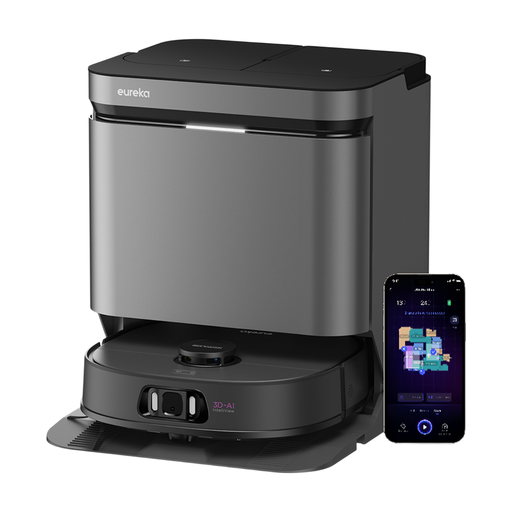
Why it suits this profile: This model is aimed at households with lots of hair, dirt around dining areas and a need for extensive station functions. The stated features are particularly appealing when reducing daily maintenance is important.
According to EUREKA’s own information, the model features FlexiRazor anti-wrap technology, dirt detection and a self-cleaning station. These features reduce manual work, but regular checks are still necessary.
Stated suction power of 16,200 Pa, mop and brush lifting, 75 °C mop cleaning and automatic drying.
We have put together a complete, up-to-date list of products that fully meet these strict selection criteria and the applicable European safety regulations.
A robot vacuum is ideal for scheduled maintenance, but it cannot always reach stairs, furniture, skirting boards or unexpected crumbs. A cordless stick vacuum is a useful addition in these situations. For small areas or the car, a compact handheld vacuum may be sufficient.
A stick vacuum makes particular sense if you:
For cordless models, check the battery life for each mode, whether the battery is replaceable and whether filters are readily available. A stated runtime of 50 or 60 minutes usually applies to a low setting; maximum suction power uses considerably more energy.
Yes, but check whether the model detects carpets and automatically lifts the mop. Without a mop lift, a damp cloth may come into contact with the carpet. For deep-pile carpets, ground clearance, brush design and the stated threshold height are more important than the Pa value alone.
You will usually need to empty the dirty-water tank, clean the filters, check the brushes and maintain the mop components. With a model that empties itself automatically, you will also need to replace a dust bag or empty the dust container when the app or indicator tells you to. Always follow the instructions and allow washed filters to dry completely.
In addition to the purchase price, electricity, dust bags, filters, mop pads and any cleaning solution may all add to the cost. A station without a dust bag can reduce replacement costs, while a model with disposable bags involves less direct contact with dust. So do not compare only the price of the appliance; also consider the price and availability of original consumables.
