
Vandaag of morgen in huis

Kwaliteit gegarandeerd

Welkomstaanbiedingen ontgrendelen: GRATIS bezorging | Tot 80% korting | Gratis 30 dagen JoyPlus-proefperiode
Download de app
A robot vacuum with a mop sounds like a simple solution for a busy household. In reality, these appliances vary considerably in their navigation, maintenance, mopping technology and suitability for carpets. A model with a high suction power figure on the box won’t necessarily be right for your home.
Look out for these three common pitfalls:
Focusing only on the number of pascals
A high Pa rating tells you about the maximum suction pressure according to the product information, but it doesn’t automatically tell you about the brush, airflow, filter or performance on carpets. So consider the overall combination of suction power, brush design and floor detection.
Assuming a mopping function will remove stains
Most robot models dampen the floor with a cloth or rotating mop. That’s different from a wet and dry vacuum cleaner, which sucks up dirty water and tackles wet spills directly. You may still need to clean dried-on stains by hand.
Taking “maintenance-free” literally
A robot vacuum with a self-cleaning station can wash and sometimes dry the mop, but water tanks, filters, brushes and dust bags still need maintenance. Check the clearance around the station, too. Some models need around 0.5 metres on either side and 1.5 metres in front.
A robot vacuum with LiDAR navigation will generally map rooms systematically. This is useful in larger homes, in homes with several rooms, and if you want to set zones or no-go areas in the app. Check whether the model supports multiple maps if you want to clean different floors.
LiDAR won’t stop cables, socks or toys from getting caught in the brush. So tidy away loose items before creating your first map. With models that use laser or camera detection, very dark surfaces, floor-length mirrors and low objects may need extra attention.
A robot vacuum with mopping and suction should be able to handle different floor types without making carpets unnecessarily wet. Look for:
An anti-tangle brush is useful for households with pets, but it’s still sensible to clean daily or several times a week. According to product information from various brands, models with a higher suction setting can help with pet hair. How well they work in practice depends on the floor, hair length and maintenance.
A wet and dry vacuum cleaner is a different type of appliance. You use it by hand on hard floors to remove dry dirt and liquid in a single pass. It isn’t designed to navigate by itself or clean an entire home to a schedule.
A robot vacuum with automatic emptying means you’ll need to empty its small dust container less often. Check the dust bag capacity in the station and whether replacement bags are available. Bear in mind that a larger station takes up more space.
A robot vacuum with a self-cleaning station may offer features such as mop washing, drying, water refilling and dust emptying. According to ECOVACS product information, for example, the Deebot T30C OMNI Gen2 automatically empties dust, washes mops with hot water, dries them with warm air and has a 4-litre clean water tank. These features don’t mean you can stop cleaning the dirty water tank, filters or mop components.
Also consider the battery life and whether the robot can resume cleaning after recharging. The stated runtime depends on the suction setting, mopping settings, floor layout and obstacles.
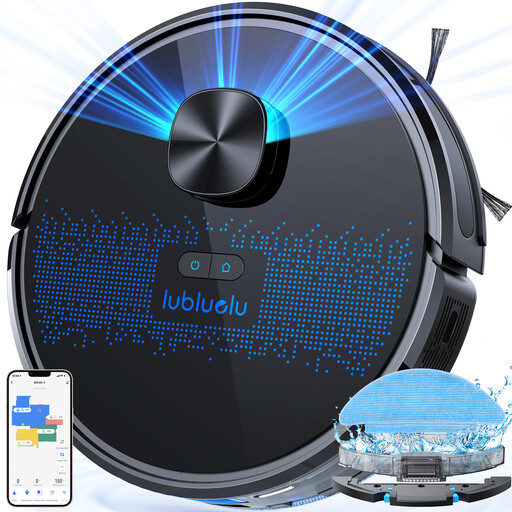
Why it suits this household: This model combines vacuuming and damp mopping with LiDAR navigation, app control and up to 4000 Pa, according to the product information. It’s well suited to small and medium-sized homes with hard floors, carpets and pets.
The app lets you set up rooms and no-go zones, and adjust suction power. This gives you more specific details to go on than a general claim about smart cleaning.
LiDAR mapping, support for up to five maps according to the product information, and adjustable water flow.

Why it suits this household: This model is designed for households with different floor types, pets and little time for daily maintenance. According to the product information, it offers 20.000 Pa, carpet detection, dual rotating mops and an OMNI station.
The product description lists dedicated features for carpets, edges, mop washing, drying and dust emptying. This lets you assess the purchase based on specific features.
75°C mop washing, 45°C warm-air drying, automatic emptying and TrueMapping 2.0, according to the product information.
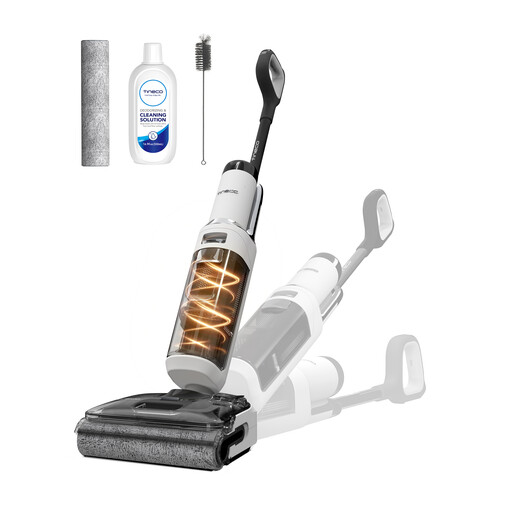
Why it suits this household: This is a manual wet and dry vacuum cleaner for hard floors. Its 180° recline and stated height of 13 cm make it practical for cleaning under low furniture.
The product information makes clear that this appliance is designed for hard floors, not for cleaning carpets or multiple rooms by itself.
Up to 40 minutes’ runtime according to the product information, 180° recline and FlashDry self-cleaning.
We’ve put together a complete, up-to-date list of products that meet these strict selection criteria and the applicable European safety requirements.
Before you order, check:
Don’t use a robot to clean up puddles, flammable liquids, hot ash or sharp objects. Keep the charging contacts dry and always follow the manufacturer’s safety instructions.
That depends on the mop design. If you have carpets, choose a model with carpet detection and a mop that lifts up or a dedicated carpet mode. Removable mop pads are an option, but they require more hands-on use.
Empty the dirty water tank after use and rinse the mop pad regularly. Check the filters and brushes at least weekly if you have pets or a lot of dust. A robot vacuum with automatic emptying still needs its dust bag, sensors and brush maintained.
As well as electricity, remember to budget for replacement mop pads, filters, brushes, dust bags and, if needed, cleaning solution. Only use products that the product information says are suitable. A model with a larger station may need emptying less often, but its consumables may cost more.
