
当日/次日达

品质保障

开启新人专享福利: 全场免邮 | 低至 2 折 | 免费试用 30 天 JoyPlus 会员
下载 Joybuy
A robot vacuum that empties itself sounds like the ultimate dream for a busy household. No more fussing with dustbins, just weeks of clean floors. But the reality can be quite different. Many models overpromise and underdeliver, leaving you with an expensive gadget that constantly gets stuck or brings unexpected costs.
As a Product Recommendation Officer at Joybuy, I see the struggles buyers face every day. Before you invest in a robot vacuum with a self-emptying station, it's crucial to understand the common pitfalls.
To avoid a bad buy, it's wise to look beyond the marketing hype and focus on the specifications that truly matter in a modern household.
The effectiveness of a smart vacuum hinges on its navigation. Cheaper models often use simple infrared sensors and bumpers, resulting in chaotic cleaning patterns and frequent jams. For a reliable result, look for two key technologies:
The purpose of a self-emptying station is convenience. Therefore, pay attention to the following points:
High suction power is a great start, especially for carpets and picking up robot vacuum pet hair. A value around 8000 Pa, for example, is very powerful. But look further:
Based on objective specifications, we have highlighted a few models that suit different needs and budgets.
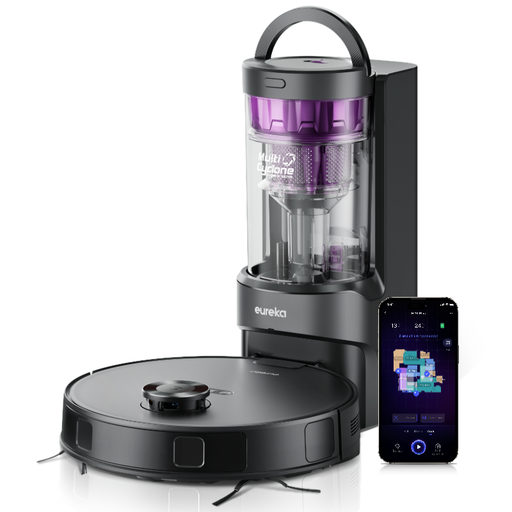
Why it's a match: For those who want to experience the benefits of a self-emptying system without paying a premium. This model offers specs you'd normally find in a higher price range, such as a powerful motor and smart obstacle detection.
The self-emptying station is bagless, which eliminates the hidden cost of expensive dust bags. The DuoDetect AI 3D obstacle avoidance is a clear upgrade over basic models that bump into everything.
8000 Pa suction power for deep cleaning and a battery life of up to 180 minutes. The smart mop-lift automatically protects your carpets.
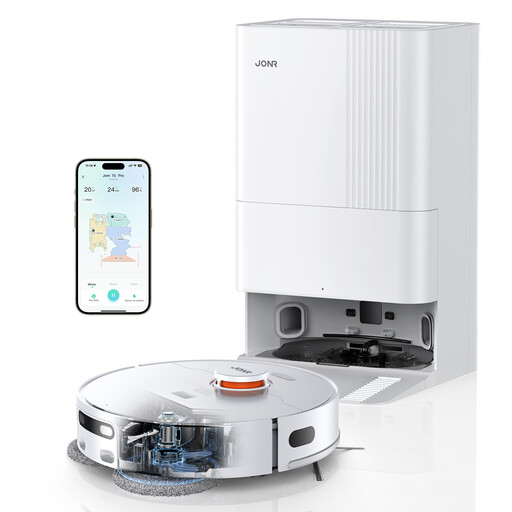
Why it's a match: Designed for the chaos of a lively home. The combination of high suction power, an anti-tangle brush, and an all-in-one station that also washes and dries the mop tackles the challenge of pet hair and muddy paw prints.
The powerful 8150Pa suction and the anti-tangle side brush are specifically designed to effectively remove pet hair, where standard models often fail. LiDAR navigation ensures an efficient route, even in a cluttered home.
The all-in-one station not only empties the dust but also washes and dries the mop with hot air. This minimises maintenance and prevents musty odours.
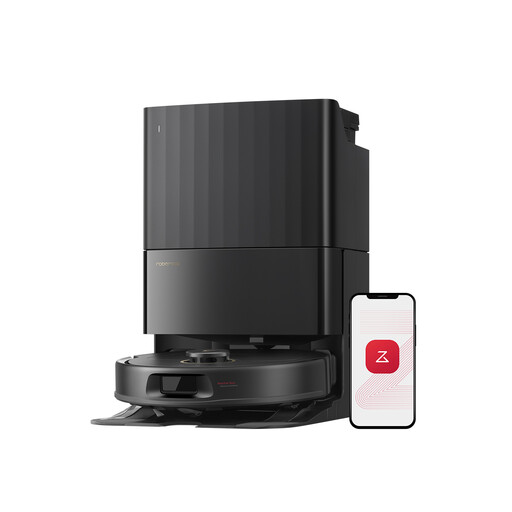
Why it's a match: For those seeking advanced technology and maximum automation. This model is packed with smart features that take cleaning to the next level, from edge cleaning to a dual anti-tangle system.
The FlexiArm mops reach deep into corners, an area many robots miss. The combination of smart navigation and obstacle avoidance provides a truly autonomous clean, without the need for constant intervention.
Extremely high 12000 Pa suction power, a dual anti-tangle system for hair, and a station that dries the mops with hot air. Fully controllable via the app.
We have compiled a complete, up-to-date list of products that fully meet these strict selection criteria and local regulations.
This depends on the size of the reservoir in the station and how much dirt the robot collects. In an average household, you often only need to empty a bagless station with a 2-litre capacity once every 4 to 6 weeks. The app will usually notify you when it's time.
Models with "mop lift" or carpet detection are designed to prevent this. As soon as the sensors detect a carpet, the mop is automatically lifted to prevent the rug from getting wet. For models without this feature, you can often set "no-mop zones" in the app for your carpets.
A robot vacuum typically lasts 3 to 5 years, depending on use and maintenance. The battery is often the first component to wear out. Most batteries are designed for hundreds of charging cycles, which translates to several years of daily use. Regularly cleaning the brushes and filters helps to extend the life of the motor.
