
Vandaag of morgen in huis

Kwaliteit gegarandeerd

Welkomstaanbiedingen ontgrendelen: GRATIS bezorging | Tot 80% korting | Gratis 30 dagen JoyPlus-proefperiode
Download de app
A robot vacuum with mopping function can remove dust, crumbs and hair every day without you having to vacuum and mop the house yourself each time. However, models vary considerably. For example, a high suction power figure on the packaging does not automatically mean that a robot performs well on carpets, in corners or with pet hair.
A robot vacuum is also not the same as a wet and dry vacuum cleaner or cordless floor cleaner. The latter categories are designed to be held manually and can often pick up liquids. A robot is generally intended for dry vacuuming and light damp mopping. If you overlook this distinction, you are more likely to experience disappointing performance or additional maintenance.
A figure such as 4.000, 8.150 or 20.000 Pa indicates the maximum suction pressure according to the product specification. In practice, performance also depends on the brush, airflow, filter, flooring and selected cleaning mode. So check whether the model is suitable for your combination of carpets and hard floors.
If you have pets, also look for an anti-tangle brush, good clearance under furniture and the option to clean every day. A powerful robot vacuum for pet owners should not only pick up hair, but also prevent it from quickly winding around the brush.
The mopping module generally makes the floor damp. That is different from vacuuming up a puddle. The instructions for various robot models state that they are not designed for standing water, large spills or flammable liquids.
Also check whether the robot recognises carpets and lifts the mop. If this function is missing, carpets may become damp. Use only water or a cleaning solution that the manufacturer confirms is suitable for the appliance.
A robot vacuum with mopping function and self-cleaning station can automate emptying the dust container and washing or drying the mop pads. However, some maintenance is still required. This includes emptying dirty water, replacing a dust bag, cleaning the sensors and checking the filters.
Before buying, also check the dimensions of the station. Many stations require around 50 centimetres of free space on both sides and 1.5 metres in front. This is particularly relevant in a flat or narrow hallway.
A robot vacuum with LiDAR navigation scans the room using lasers and creates a map. This helps with systematic cleaning routes, room selection and virtual no-go zones. If you live in a multi-storey home, check whether the app can save multiple maps.
LiDAR does not guarantee that every obstacle will be recognised. Cables, dark surfaces, full-length mirrors and small objects can still cause problems. Tidy away loose cables and toys before creating the first map.
Do not compare only the Pa figure. Also look for:
An auto-empty station reduces the number of times you need to empty the robot manually. Dust-bag capacity varies between models, so check how often it needs to be replaced according to the product information.
Pay attention to the type of mopping module, the capacity of the water tank and how the pads are washed and dried. Hot-water cleaning and hot-air drying may be listed in the product specifications, but the actual user experience depends on the programme, dirt level and maintenance.
A model with app control often offers room selection, scheduling, no-go zones and adjustable water or suction settings. Check beforehand whether a 2.4GHz Wi-Fi network is required and whether the station can be positioned close to a power socket and a flat wall.
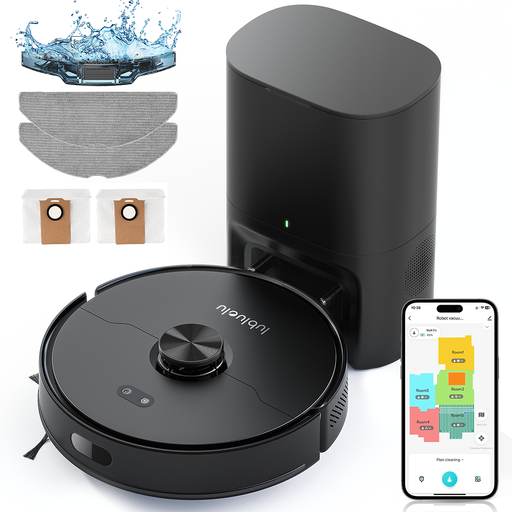
Why it suits this profile: This model combines vacuuming, mopping, laser navigation and app control without requiring a large all-in-one station. Its stated 55 dB noise level makes it an appealing choice for everyday use in a flat.
The product information lists LiDAR maps, no-go zones and multiple suction settings. This allows you to set cleaning by room rather than relying solely on a general automatic mode.
Stated suction power of 4.000 Pa, up to five saved maps and battery life of up to 180 minutes according to the product description.

Why it suits this profile: According to the product description, households looking to minimise manual maintenance get an Omni station that empties the dust, washes the mop pads with 75 °C water, dries them with warm air and refills the water.
The station automates several maintenance tasks, but the dust bag, water tanks and sensors still need to be checked according to the instructions.
Stated suction power of 20.000 Pa, automatic carpet detection, TrueMapping 2.0 and control via the ECOVACS Home App.
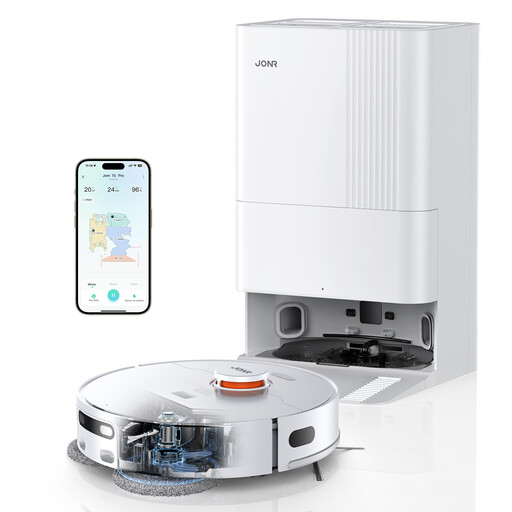
Why it suits this profile: This model is aimed at households with lots of floor space, pets or a mix of flooring types. The all-in-one dock and app support scheduled cleaning and mean you need to empty it manually less often.
The product information mentions LiDAR navigation, obstacle detection, an anti-tangle side brush and hot-air drying. These are verifiable features that go beyond simply quoting a high Pa figure.
Stated suction power of 8.150 Pa, virtual no-go zones, adjustable suction settings and a station with a self-cleaning function.
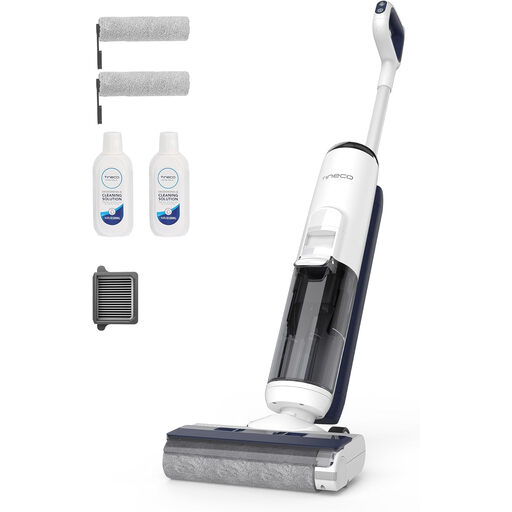
Why it suits this profile: This is not a robot, but a cordless floor cleaner for anyone who wants to tackle sticky patches and spilled liquids on hard floors manually.
The clear recommendation for hard indoor floors prevents you from using a robot for a task better suited to a manual appliance.
Cordless design, weight of 4,3 kg and additional roller brushes, filters and cleaning solution included according to the product details.
We have put together a complete, up-to-date list of products that fully meet these strict selection criteria and the applicable European safety regulations.
That depends on its features. Ideally, choose a model with carpet detection, an automatically lifting mop pad or a separate mopping zone in the app. A robot with only a fixed damp pad may make carpets wet.
In addition to the purchase price, you should budget for electricity, filters, brushes, mop pads, dust bags and, if applicable, cleaning solution. A self-cleaning station can save time, but it also uses water and consumables. So check the prices and availability of replacement parts before buying.
Its lifespan depends on how frequently it is used, maintenance, battery wear and the availability of spare parts. Removing hair daily, replacing filters on time and keeping the station dry and clean can help prevent unnecessary strain. For warranty and service information, always consult the product page and your applicable statutory consumer rights.
