
Vandaag of morgen in huis

Kwaliteit gegarandeerd

Welkomstaanbiedingen ontgrendelen: GRATIS bezorging | Tot 80% korting | Gratis 30 dagen JoyPlus-proefperiode
Download de app
A robot vacuum with a mopping function can remove dust, crumbs and pet hair every day without you having to vacuum each time. However, models vary considerably in their navigation, mopping technology and maintenance requirements. A high suction rating on the packaging, for example, doesn’t automatically mean a robot will handle carpets, thresholds or pet hair well.
Joybuy Product Recommendation Officer helps you separate the key specifications from the marketing claims. That way, you won’t pay for features that aren’t right for your home.
Figures such as 4,000, 8,150 or 20,000 Pa indicate the maximum suction power stated in the product information. In practice, performance also depends on the main brush, side brush, airflow, floor covering and cleaning mode.
For example, a robot vacuum for homes with pets can benefit from an anti-tangle brush. Without this design, hair can wind around the brush roller, making regular manual maintenance necessary.
Many models use a water tank and a mop pad that glides lightly over the floor. This is suitable for everyday care of hard floors, but won’t necessarily remove dried-on stains.
Check the water tank capacity, how the water is dispensed and whether the mop module lifts when the robot reaches carpet. A robot vacuum for carpets and hard floors needs to recognise both surfaces correctly to avoid getting carpet wet.
A robot vacuum with a self-cleaning station can take care of certain tasks, such as emptying dust, washing mop pads or using warm air to dry them. However, parts such as filters, brushes, water tanks and sensors still need maintenance.
Also check the station’s dimensions and how much clear space it needs. For example, the JONR T5 Pro requires at least 0.5 metres of space on either side and 1.5 metres in front.
A LiDAR robot vacuum will generally map your home systematically. This is useful if you have several rooms or a large floor area, or want to set virtual walls or no-go zones. Check whether the app supports multiple maps if you want to clean different floors.
Obstacle recognition is just as important. Cables, toys and clothing can block a robot or get tangled around its brush. No sensor system means you can skip tidying up: pick up small loose items before asking the robot to create its first map.
Look out for the following:
For a robot vacuum with automatic emptying, check whether the station uses dust bags or a bagless container. Dust bags are easy to replace, but they add an ongoing cost. A bagless dust container avoids this particular consumable, but you’ll need to empty it yourself.
Also check the dust container capacity and the availability of replacement mop pads, filters, brushes and dust bags. These all contribute to the total cost over the product’s lifetime.
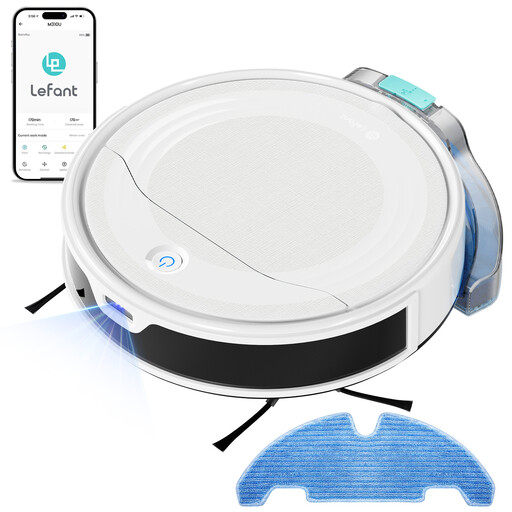
Why it suits this household: This model combines vacuuming and mopping with a stated suction power of 6,000 Pa, a 500 ml dust container and a 200 ml water tank. The app supports Wi-Fi control and scheduling.
The product specifications mention ToF obstacle recognition and an anti-tangle design. So its performance doesn’t rely solely on a high Pa rating.
A stated battery life of 170 minutes, a HEPA filter and support for hard floors and pet hair, according to the product information.

Why it suits this household: Its stated suction power of 20,000 Pa, dual rotating mops and Omni station make it a good fit for households looking for a high level of automation.
The station is listed as emptying automatically, washing the mops with 75°C water, drying them with 45°C air and refilling the water. Be sure to check the space required and the consumables you’ll need.
TrueMapping 2.0, control via the ECOVACS Home App and automatic carpet detection, according to the product description.
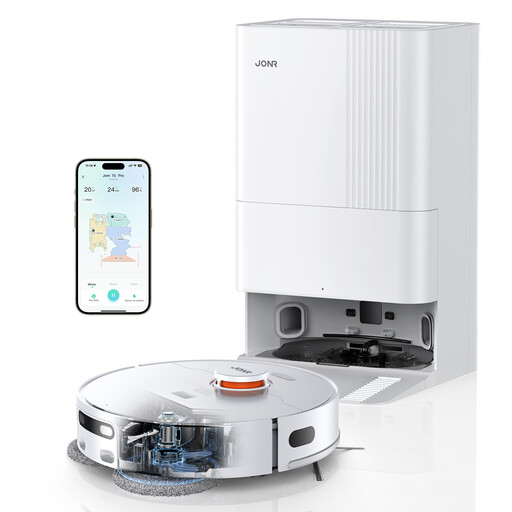
Why it suits this household: Its stated suction power of 8,150 Pa, LiDAR navigation, obstacle recognition and all-in-one dock make this model a good fit for larger households with regular cleaning routines.
The anti-tangle side brush and mapping features help tackle hair build-up and missed areas. The station dries with warm air, but the water tank and dust bag still need attention.
App control with schedules and no-go zones, LiDAR navigation and an all-in-one dock with warm-air drying, according to the stated product specifications.
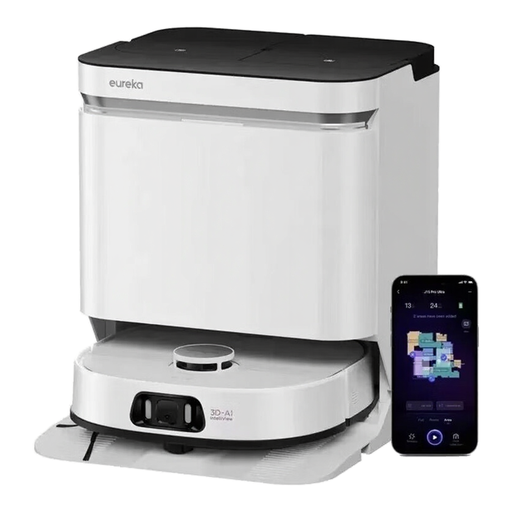
Why it suits this household: According to the product information, this model offers 16,200 Pa suction power, FlexiRazor anti-tangle technology and a station that automatically empties the dust, refills the water and cleans the mop.
The design focuses on more than suction power: the product description also mentions hair management, brush lifting and the detection of dry and wet messes.
75°C mop washing according to the product specifications, LDS laser navigation and a stated 3-litre dust bag capacity in the station.
We’ve put together a complete, up-to-date list of products that meet these strict selection criteria and the applicable European safety regulations.
Don’t use a robot vacuum to clean up flammable liquids, large amounts of water, glowing objects or sharp metal objects. These appliances are designed for indoor use.
That depends on the mopping module. If you have carpets, choose a model with carpet detection and an automatic mop lift. Remove the mopping module if the manufacturer instructs you to. Also check the maximum threshold height, as high transition strips can stop the robot.
Even a robot vacuum with automatic emptying needs maintenance. Clean the brushes and sensors, replace the filters when necessary and wash the mop pad according to the instructions. If the station has a water function, you’ll also need to check the clean and dirty water.
As well as the purchase price, dust bags, filters, brushes and mop pads can add ongoing costs. A station with a bagless dust container can do away with dust bags, while a model that washes and dries automatically has more components and may use more energy. So compare more than just the price of the appliance: check the accessories available and how often maintenance is needed.
