
Vandaag of morgen in huis

Kwaliteit gegarandeerd

Welkomstaanbiedingen ontgrendelen: GRATIS bezorging | Tot 80% korting | Gratis 30 dagen JoyPlus-proefperiode
Download de app
A robot vacuum with mopping function can tackle daily dust, crumbs and light marks without you having to constantly vacuum or mop yourself. Yet not every model is suitable for every home. A high suction power figure on the packaging, for example, tells you little about maintenance, navigation or performance on carpet.
As Joybuy Product Recommendation Officer, I’ve filtered the key product specifications and common pitfalls so you can compare with confidence.
Manufacturers often quote a high value in Pa, or pascals. This is a technical measure of suction pressure, but it’s not a complete predictor of cleaning performance. Brush design, airflow, floor type and the way the robot moves all play a part.
A robot vacuum with high suction power can be useful for pet hair and carpet, but also check whether the main brush helps prevent hair tangles and whether the filter is easy to clean.
Many models use a damp cloth or rotating mop. That’s fine for dust and light marks on hard floors. Baked-on residue, dried-on food or large spills will often still need manual cleaning.
So pay attention to the type of mopping system. A rotating mop, roller or continuous water feed can work differently from a simple cloth dragged behind the robot.
A robot vacuum with auto-empty station reduces the need to empty the dustbin, but it doesn’t eliminate all tasks. Depending on the model, you’ll still need to refill water, empty dirty water, clean filters and replace dust bags.
A robot vacuum with self-cleaning mop can reduce maintenance further, but check whether the station also dries, washes with hot water and dispenses cleaning solution. These features often increase the size and price of the system.
For a home with hard floors and low-pile carpet, a model with adjustable suction levels is practical. For pet owners, a tangle-free brush and an easily accessible filter are important. Also check whether the robot automatically adjusts suction or lifts the mop when it detects carpet.
A robot vacuum for carpet and hard floors must recognise both surfaces. A mop that runs wet over carpet can cause stains. So check the maximum mop lift or the ability to set carpet exclusion zones in the app.
A LiDAR robot vacuum uses lasers to map rooms and obstacles. This can help with systematic routes and multiple floors. Cameras and 3D sensors can also recognise cables, furniture and other objects.
Consider the layout of your home. In an open-plan flat, basic navigation may be enough. In a large house with door thresholds, chairs and toys, map management, drop detection and obstacle avoidance become more important.
Check the capacity of the clean and dirty water tanks, the dimensions of the station and the features available in the app. A robot vacuum with app often offers scheduling, virtual barriers, room-specific cleaning and notifications.
Also check whether the app is compatible with your phone and whether features such as voice control or video feed are actually included with the model you choose. Product descriptions can vary between variants.
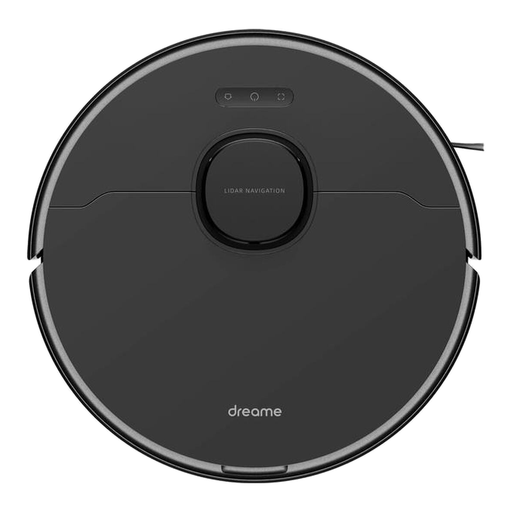
Why it fits this profile: This model combines vacuuming, an electronically controlled water tank and app control. That makes it an accessible choice for households trying a smart robot vacuum for the first time.
The product specification lists 5,000 Pa suction power, LDS laser navigation, AI obstacle recognition and an anti-tangle rubber brush. That gives you more information than just a standalone suction claim.
LDS mapping, no-go zones, up to 280 minutes stated run time and auto-resume after charging.
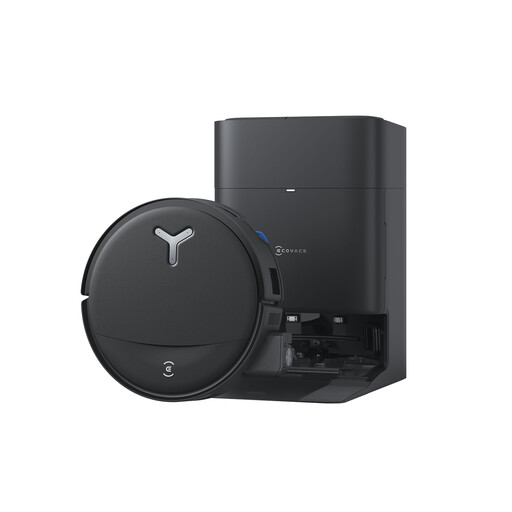
Why it fits this profile: The combination of an OMNI station, roller mop and advanced sensor technology suits users who want to minimise daily tasks.
The listed features include OZMO ROLLER 2.0, brush and mop lift, ZeroTangle 3.0 and hot water mop soaking. Check before purchase which maintenance functions are included with the variant on offer.
Up to 24,800 Pa according to the product specification, combined with edge cleaning and an all-in-one OMNI station.

Why it fits this profile: This model is aimed at larger homes, households with pets and combinations of carpet and hard floors.
The description mentions automatic carpet detection, multiple carpet modes, anti-tangle brushes and an OMNI station with dust emptying, mop washing and warm air drying.
20,000 Pa according to the product information, TrueMapping 2.0, 4 litre clean water capacity and 75°C mop washing.
A robot is best suited to regular maintenance. For a small kitchen with sticky patches, a cordless floor cleaner can be quicker. The Eureka NEW400 picks up wet and dry dirt simultaneously, has separate water reservoirs and a self-cleaning function. This isn’t a mopping robot, but it can be a useful addition for hard floors and spills.
Only use a steam mop on surfaces the manufacturer approves. The Black & Decker FSM13E1 is described as suitable for sealed hard floors, has a 0.38 litre water tank and a warm-up time of around 30 seconds. Always follow the instruction manual and don’t add cleaning solution unless it’s permitted.
We’ve put together a full, up-to-date list of products that fully meet these strict selection criteria and current European safety regulations.
Yes, some models can detect carpet and lift the mop or skip a carpet zone. Check the product specification for automatic carpet detection, mop lift and adjustable zones. With high-pile carpet, manual testing may still be needed.
That depends on the station. With a basic model, you empty the dustbin yourself and clean the mop regularly. A model with an auto-empty station and self-cleaning mop takes over more tasks, but water tanks, filters, brushes and dust bags still need maintenance.
In addition to the purchase price, you pay for electricity, replacement dust bags, filters, brushes and possibly cleaning solution. The costs vary depending on usage frequency and station. So check the availability and price of consumables for your specific model in advance.
