
Vandaag of morgen in huis

Kwaliteit gegarandeerd

Welkomstaanbiedingen ontgrendelen: GRATIS bezorging | Tot 80% korting | Gratis 30 dagen JoyPlus-proefperiode
Download de app
A robot vacuum with mopping function can remove dust, crumbs and hair every day without you having to clean the floor yourself. However, not all models are suitable for every home. A high suction power figure on the box, for example, says little about navigation, maintenance or performance on carpet.
So pay particular attention to these three common pitfalls:
A powerful robot vacuum is particularly useful on carpet, for crumbs and in homes with pets. The stated suction power is expressed in pascals, but do not compare models on this figure alone. Also look at:
According to the product specifications, the ECOVACS Deebot T30C OMNI Gen2 and JONR X1 Max, among others, offer up to 20,000 Pa suction power. The Dreame L50s Pro Ultra states up to 30,000 Pa. These are stated maximum values; actual performance can vary depending on the surface, type of dirt and amount of dust.
For a robot vacuum for pet owners, hair management is at least as important as suction power. The EUREKA J15 Pro Ultra mentions FlexiRazor technology to prevent hair tangling. According to the product description, the eufy Omni C20 uses a Pro-Detangle Comb to remove hair from the roller brush.
A robot vacuum with LiDAR navigation uses laser data to map rooms and plan systematic cleaning routes. This is practical in homes with multiple rooms, furniture or different floors. Also check whether the model:
LiDAR is no guarantee that the robot will avoid every object. So pick up loose cables, clothing and fragile items before you create the first map. With the JONR T5 Pro, the instructions state that doors must be open during the first mapping run and small loose objects must be removed.
Also pay attention to the height of the device. According to the product information, the eufy Omni C20 is 8.5 cm high, while the Roborock Saros Z70 is stated as 7.98 cm. A low-profile robot can get under a bed or cabinet more easily, but always measure the clearance under your furniture first.
A robot vacuum with a self-cleaning station can reduce maintenance. Depending on the model, the station can:
A robot vacuum with hot water cleaning uses a specified water temperature for this. The ECOVACS Deebot T30C OMNI Gen2 and EUREKA J15 Pro Ultra state 75 °C for washing the mop pads. The JONR X1 Max states 75 °C dynamic washing and 45 °C warm air drying. According to the product specification of the Dreame L50s Pro Ultra, the self-cleaning reaches up to 100 °C. Check before purchase whether this function actually belongs to the chosen model and the UK version.
Even with an all-in-one station, maintenance is still required. Clean sensors dry, check the brush for hair and empty the dirty water tank according to the manual. Do not use cleaning agent in the water tank unless the manufacturer expressly allows it.
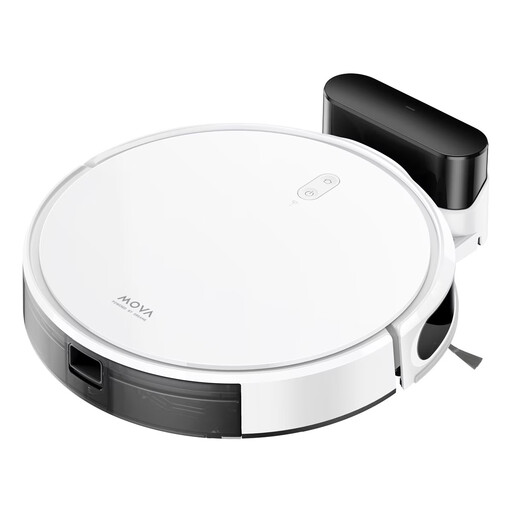
Why this fits the profile: A compact 2-in-1 robot for those who want to get started with automatic vacuuming and light damp mopping.
The product specifications mention LiDAR navigation, adjustable suction levels and a 220 ml water tank alongside 4,500 Pa.
7.6 cm high, up to 120 minutes of runtime and app control; 2.4GHz Wi-Fi is required for the app.

Why this fits the profile: Aimed at households that want to combine automated vacuuming, mopping and maintenance in one station.
The product information mentions automatic dust emptying, mop washing at 75 °C, drying with 45 °C warm air and carpet detection.
20,000 Pa according to the product specification, dual rotating mop pads, TrueMapping 2.0 and management via the ECOVACS Home app.
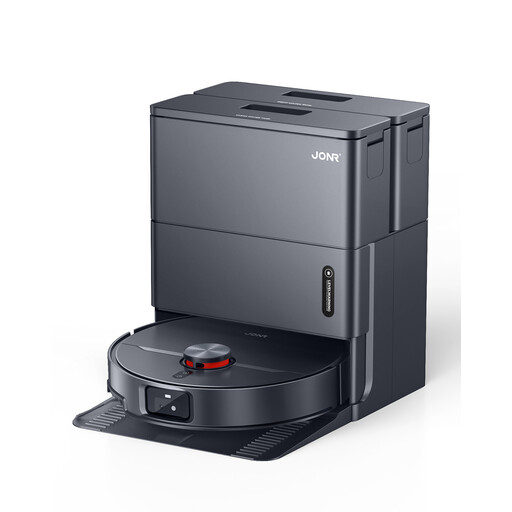
Why this fits the profile: An option for large households, pet owners and homes where edges, carpet and frequent mopping need extra attention.
The stated features include AI obstacle detection, hair removal, extendable dual arms and a station with hot water washing.
Up to 20 kPa suction power according to the product information, 75 °C washing and 45 °C warm air drying of the mop pads.
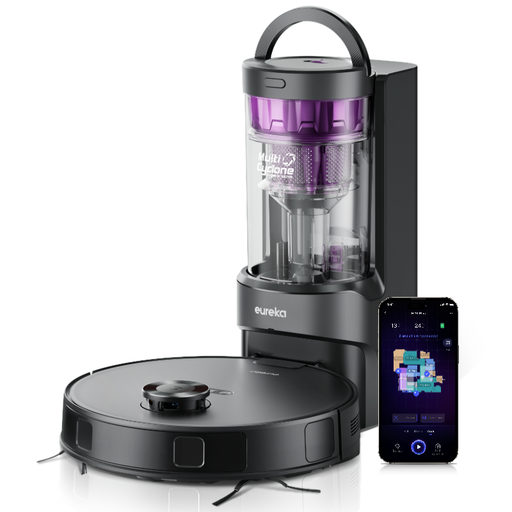
Why this fits the profile: Handy for families and pet owners looking for a large dustbin, long runtime and automatic mop lifting.
According to the product information, the mop lifts 10 mm on carpet detection. The LiDAR and 3D obstacle detection support structured routes.
8,000 Pa, up to 180 minutes of runtime, a 2-litre dustbin and control via app and voice assistant.
We have compiled a full, up-to-date list of products that fully meet these strict selection criteria and current European safety regulations.
That varies by model. Check whether the robot recognises carpet and automatically lifts the mop. A lift height of 10 mm, as stated for the EUREKA E20 Plus, can help prevent a damp mop from touching the carpet. A robot is not designed to suck up water or large liquid spills.
Less than a model without a station, but maintenance does not disappear entirely. Empty the dirty water tank, refill clean water, check for dust and hair in the brushes and clean filters according to the manual. Allow mop pads to dry thoroughly and keep charging contacts and sensors dry.
In addition to the purchase price, costs can arise for electricity, replacement filters, brushes, mop pads, dust bags and possibly cleaning agent. A bagless station avoids dust bags, while a station with a bag can generally be cleaner when emptying. So check which consumable item the chosen model uses and how often it needs to be replaced according to the manufacturer.
