
Vandaag of morgen in huis

Kwaliteit gegarandeerd

Welkomstaanbiedingen ontgrendelen: GRATIS bezorging | Tot 80% korting | Gratis 30 dagen JoyPlus-proefperiode
Download de app
A robot vacuum with a mopping function can clear away dust, crumbs and hair every day, without you having to vacuum constantly. However, not every model is right for every home in the UK. A flat with hard floors calls for different features from a house with carpets, pets, thresholds and multiple floors.
Pay close attention to marketing claims about suction power, automatic stations and smart navigation. Read on to find out which specifications really make a difference, which common pitfalls are easy to overlook and which models suit different needs.
A high figure in Pa, such as 8,000, 16,200 or 25,000 Pa, sounds impressive. But it doesn’t tell you everything about cleaning performance. The brush design, airflow, filter, floor covering and suction setting all play a part too.
A robot vacuum with high suction power is particularly useful for carpets, floor joints and pet hair. Also check whether the main brush is designed to reduce hair build-up and whether it’s easy to remove. An anti-tangle brush can cut down on daily maintenance, but you may still need to check it by hand.
On simpler models, mopping often involves dragging a damp cloth behind the robot. This is handy for light everyday dirt, but it’s not the same as a rotating mop or a water-cleaning roller brush.
Look for:
Don’t use a mopping function on untreated wood unless the manufacturer explicitly says it’s safe. If you have carpets, the mop should lift automatically, or you should be able to set a carpet zone in the app.
A robot vacuum with a mop and self-cleaning station can empty dust, refill water and clean mop pads. However, parts such as dirty-water tanks, filters, brushes and dust bags still need maintenance.
Check the following before you buy:
According to product information from various brands, maintenance intervals can run to tens or even hundreds of days. However, this depends on the size of your home, whether you have pets and how often you clean.
For a robot vacuum for pet owners, an anti-tangle system and an easily accessible main brush are at least as important as the Pa rating. Hair often gathers around the brush and wheels. A removable brush makes cleaning easier.
A lower suction setting is often enough for hard floors, and a quiet mode can come in handy. For carpets, useful features include multiple suction settings, automatic carpet detection and mop lifting. Check the stated battery life too, and whether the robot automatically resumes cleaning after recharging.
A robot vacuum with LiDAR navigation uses lasers to map your home and usually follows a more systematic route than a model that moves around randomly. This is useful if you have several rooms, narrow passages or multiple floors.
Check the difference between:
No system is guaranteed to recognise every small object. Put away cables, children’s toys and loose clothing before starting the robot.
A smart robot vacuum with an app lets you select rooms, set schedules, adjust suction power and create no-go zones. Check whether the model requires 2.4GHz Wi-Fi; some devices don’t work with 5GHz Wi-Fi alone.
A station with automatic mop cleaning may use hot water. According to product information from ECOVACS and Eureka, certain models have mop-washing programmes at around 75°C. This is a product specification, not a guarantee of a particular hygiene or cleaning result. Only use the cleaning solution recommended by the manufacturer.
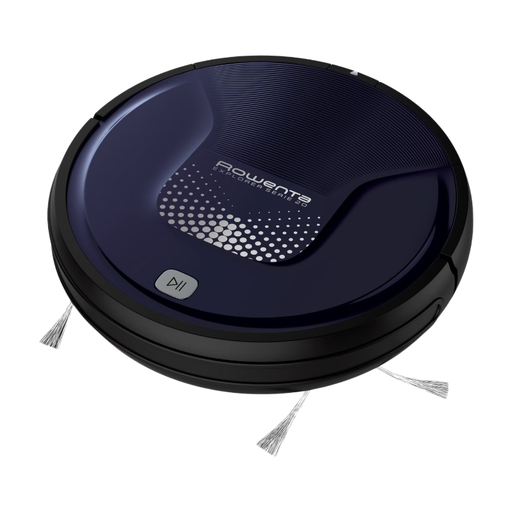
Why it suits this profile: This 2-in-1 model is designed for simple operation, with three cleaning modes, a remote control and automatic return to the charging station. It’s best suited to homes with hard floors that don’t need a full-featured app.
The product information clearly states that it uses random navigation rather than LiDAR. That means you won’t pay for features you don’t need.
Up to 150 minutes of use, simultaneous mopping and vacuuming, automatic charging and fall detection.

Why it suits this profile: This model combines a stated suction power of 20,000 Pa with an OMNI station, mop cleaning with 75°C water, warm-air drying and automatic dust emptying.
Its maintenance features are clearly set out: automatic emptying, mop washing, drying, self-cleaning and water refilling.
TrueMapping 2.0, support for multiple floors, automatic carpet detection and control via the ECOVACS Home app.
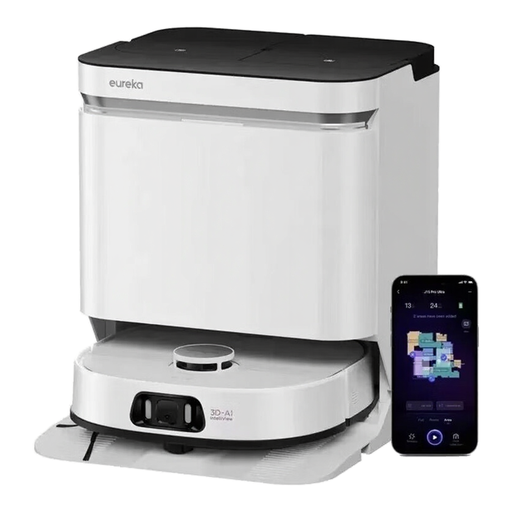
Why it suits this profile: According to the product information, this model is designed for intensive use on carpets and hard floors. Features include 16,200 Pa suction, LiDAR navigation, mop lifting, automatic dust emptying and hot-water cleaning.
According to the manufacturer, the brush is designed to reduce hair tangles. Still, check it regularly and follow the maintenance alerts in the app.
75°C mop-washing programme, 55°C warm-air drying, dirt detection according to the product description, and automatic brush and mop lifting.
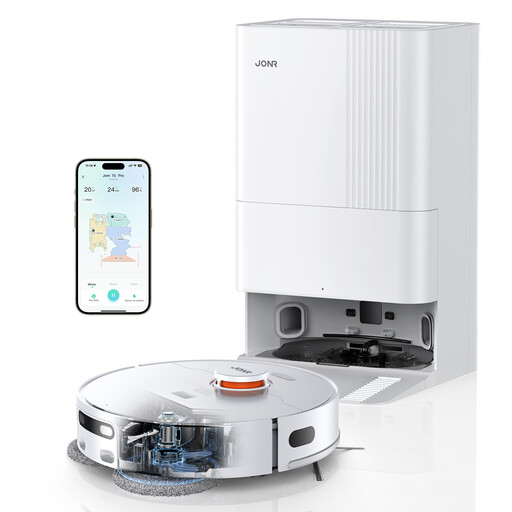
Why it suits this profile: The T5 Pro offers 8,150 Pa suction, LiDAR navigation, obstacle avoidance, app control and a station with warm-air drying. It’s a good fit for homes looking for automated cleaning without needing to install a full water drainage system.
The app supports no-go zones and adjustable suction power. This lets you manage carpets and delicate areas separately, rather than using one programme throughout your home.
LiDAR mapping, an anti-tangle side brush, warm-air drying and adjustable cleaning schedules via Wi-Fi.
Place the station on a flat surface against a wall. Many models need around half a metre of clear space on either side, with more room in front. For the first run, leave the internal doors open so the robot can create a complete map.
Put away cables, toys, socks and small objects beforehand. After the first cleaning run, check how well the robot handles thresholds, chairs and dark corners. If your home has multiple floors, choose a model that supports multiple maps, or move the robot and station as directed by the manufacturer.
A robot with automatic emptying cuts down on daily chores, but keep an eye on app alerts. Replace dust bags, clean the filters and empty dirty water when needed. This helps keep suction and navigation reliable.
We’ve put together a complete, up-to-date list of products that meet these strict selection criteria and comply with current European safety regulations.
That depends on how the mop is managed. If you have carpets, look for automatic mop lifting, carpet detection or a clear carpet-avoidance function. A wet mop on a carpet could damage both the material and the robot.
An automatic station still needs maintenance. Empty the dirty-water tank, clean the filters and brushes, and replace the dust bag when the app tells you to. How often this is needed depends on how often you use the robot, the floor area and the number of pets in your home.
As well as the purchase price, dust bags, filters, mop pads and cleaning solution can all add to the cost. Models with a bagless station may save you money on dust bags, while more advanced stations use more water and have more maintenance parts. Check the consumables before you buy.
