
Vandaag of morgen in huis

Kwaliteit gegarandeerd

Welkomstaanbiedingen ontgrendelen: GRATIS bezorging | Tot 80% korting | Gratis 30 dagen JoyPlus-proefperiode
Download de app
A robot vacuum with a mopping function can take on a great deal of household work, particularly on hard floors, in homes with pets and in larger properties. However, a high suction power rating or an advanced docking station does not automatically mean that a model is right for your home. The layout of your house, the type of flooring and the amount of maintenance required are just as important.
Be sure to look out for these three common pitfalls:
Suction power is usually expressed in Pa (Pascal). On paper, a model with 18,000 Pa or more has ample capacity for dust and larger debris. However, you should consider this rating alongside:
For households with dogs or cats, a robot vacuum for pet owners is particularly useful when the appliance can collect hair from both the floor and the brush. According to Dreame’s product description, the Aqua 10 Roller features an anti-tangle system. This is a manufacturer’s product specification; the actual maintenance frequency depends on the amount of hair and the type of flooring.
If your home mainly has tiles, PVC, laminate or another sealed floor surface, it is worth comparing the mopping design. A rotating roller works differently from a flat mop. Important points include:
A robot vacuum with a self-cleaning mop reduces daily effort, but it does not eliminate maintenance altogether. According to ECOVACS’ own product information, certain X8 models are cleaned with water heated to between 40 and 76 °C. Check which temperature and docking-station functions actually apply to the model you choose.
Also consider the difference between a robot and a wet and dry floor cleaner. A manual floor cleaner is designed to be steered by you and can apply more pressure in specific areas. A robot operates independently and is mainly suited to regular maintenance cleaning.
A smart robot vacuum must not only be able to move around; it also needs to know where it has already been. Look for:
Battery life is important in larger homes. Ask yourself whether the appliance can finish a full cleaning cycle in one go or whether it will need to recharge partway through. In practice, a well-configured map and clear app controls can make more difference than an additional programme.
The recommendations below are based on verifiable information from the specified product descriptions. Features may vary by version, firmware and sales variant. Always check the latest specifications on the product page.
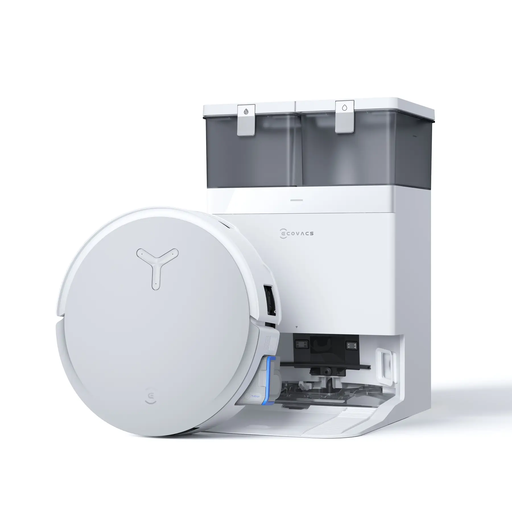
Why it suits this profile: According to the product description, this model combines vacuuming and mopping with a station that automatically collects dust, washes the mop with hot water and dries it with warm air. It is suitable for households looking to reduce manual work without immediately needing the most extensive range of features.
OZMO ROLLER technology is more than a loose cloth. However, pay attention to the stated station temperatures and check that they match your version.
18,000 Pa according to the product information; AIVI 3D navigation; automatic dust collection and mop cleaning in the OMNI station.
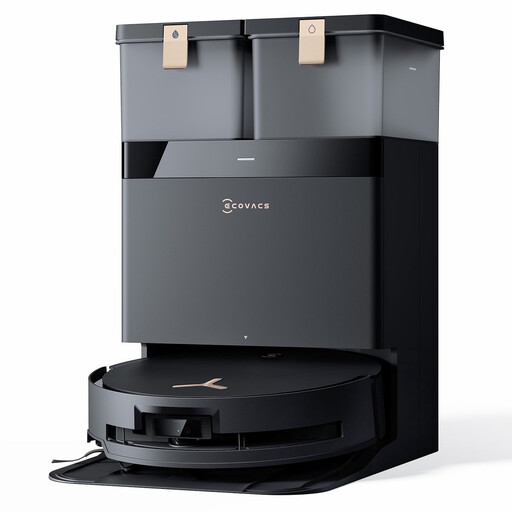
Why it suits this profile: The X8 PRO Omni is aimed at users who want to combine an advanced station, powerful cleaning and control via the ECOVACS HOME app or YIKO-GPT.
According to ECOVACS, the roller is cleaned continuously and the station supports hot-water cleaning at 40–75 °C. Check in advance which maintenance products are included.
18,000 Pa; 12-in-1 station according to the product name; OZMO roller with self-cleaning function.
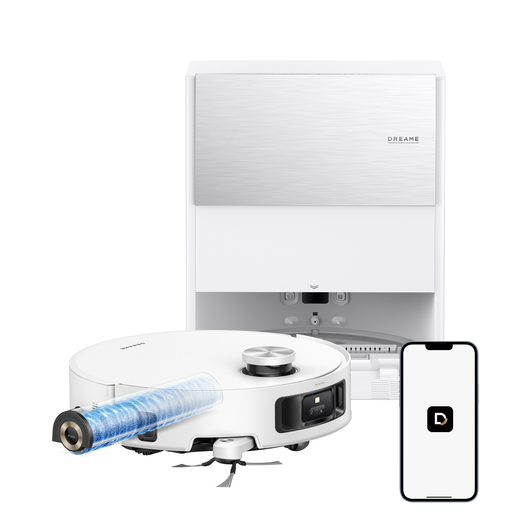
Why it suits this profile: This is a logical choice for larger households and pet owners looking for a high stated suction power, a rotating mop roller and smart-home control.
The product description mentions an anti-tangle system and self-cleaning roller. This may help limit hair build-up, but you should still check the roller and dirty-water tank in line with the maintenance instructions.
30,000 Pa according to the product information; bagless dust collection; voice-control compatibility and automatic roller cleaning.
Place the station on a level, hard surface with sufficient clearance in front and at the sides. Remove loose cables, toys and small objects before creating the first map. Then set up rooms, no-go zones and cleaning schedules in the app.
Do not automatically use the highest water level on delicate laminate flooring. Check the flooring manufacturer’s guidance first and test a small area. Only fill the specified water tank and do not use cleaning solution unless the manual allows it. Some versions require the solution to be added manually; others have a dosing system.
Allow for recurring costs for electricity, dust bags, filters, brushes and, where applicable, cleaning fluid. A model without replaceable dust bags may work out differently in the long term from a robot with a large dust container. Also check the availability of spare parts in the Netherlands.
We have put together a complete, up-to-date list of products that fully meet these strict selection criteria and the applicable European safety regulations.
This varies by model. Some robots lift the mop when they detect carpet, while others need to avoid carpeted areas that have been set up in advance. Check this feature before buying, particularly if your home has a combination of hard floors and rugs.
Clean the dirty-water tank and filter regularly, and check the roller and brushes for hair. Even with a robot vacuum with a self-cleaning mop, manual maintenance is still required. The exact frequency depends on the number of cleaning cycles, whether you have pets and the amount of dirt.
In addition to electricity, you may need dust bags, filters, brushes and cleaning solution. A station with warm-air drying or hot-water cleaning may use extra energy. So do not compare only the purchase price; also consider the availability and cost of replacement parts.
