
Vandaag of morgen in huis

Kwaliteit gegarandeerd

Welkomstaanbiedingen ontgrendelen: GRATIS bezorging | Tot 80% korting | Gratis 30 dagen JoyPlus-proefperiode
Download de app
A floor that vacuums and mops itself, all while you enjoy weeks of nearly hands-off maintenance. That's the promise of a robot vacuum and mop combo with an all-in-one station. For many people, however, the reality is quite different: an expensive gadget that gets stuck on a stray sock, a mop that smells musty after a week, or a "self-emptying" station that constantly demands your attention.
As a Joybuy Product Recommendation Officer, I see where things often go wrong. Before you invest in such an advanced home assistant, it's crucial to see through the marketing hype. Let's discuss the two most common pitfalls that can cost you money and frustration.
Pitfall 1: "Smart" navigation that turns out to be dumb Many manufacturers praise their smart robot vacuum, but the technology behind it varies enormously. A basic model with only laser sensors (LiDAR) can map an empty room just fine, but it quickly gets confused in a typical household full of furniture, scattered shoes, and toys. The result? The robot gets stuck, misses spots, or worse, drags a pet "accident" all over the house.
Pitfall 2: The "maintenance-free" station that needs constant attention A robot vacuum with an automatic emptying station sounds ideal. But what if the mops are left wet in the station after cleaning? You've just created a breeding ground for bacteria and a source of foul odours. Or what if the dustbin-emptying mechanism gets clogged with pet hair? You'll end up manually cleaning the device anyway. A truly autonomous system does more than just empty the dustbin.
To avoid a bad purchase, it's better to focus on a few concrete specifications rather than vague marketing terms. These three points determine whether a model truly delivers on its promise of convenience.
The navigation method is crucial for flawless operation.
A modern station is a complete care hub for your robot. A good self-emptying robot vacuum station should fully automate at least the following four tasks:
mopping robot is ready for the next round.Don't get fixated on the highest suction power (expressed in Pa). For most hard floors, 4,000-5,000 Pa is more than enough. Do you have carpets and pets? Then a model with 7,000 Pa or more is a better choice. Also, look at the mopping system. Rotating mops that scrub the floor with pressure typically remove stains more effectively than a static, vibrating mop plate.
Based on these objective criteria, we have selected a few models that suit different types of households.
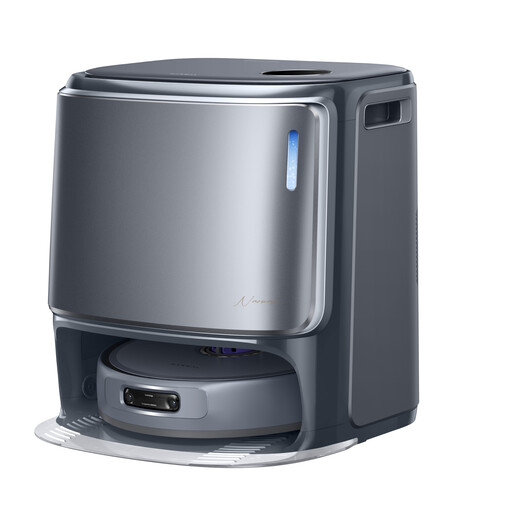
Why This Fits Their Persona: You want to turn the robot on and not have to think about it for weeks. This model is designed for maximum autonomy, leaving you with more time for your family.
The station washes the mops with hot water and dries them completely, preventing musty odours. Its advanced AI navigation with dual cameras recognises and avoids scattered toys and other obstacles.
The extendable mop cleans corners and along baseboards, spots that other robots often miss. The suction power of 18,000 Pa is exceptionally strong.
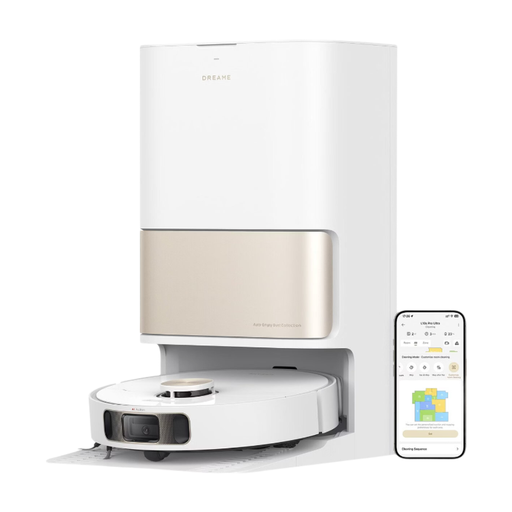
Why This Fits Their Persona: You're looking for powerful performance and smart technology specifically designed to handle pet hair and the mess that comes with it. You want control and the latest features.
The high suction power of 7,000 Pa tackles pet hair deep within carpets. The MopExtend technology ensures no dust bunnies are left in corners. The station automatically washes and dries the mops, which is essential in a home with pets.
Intelligent carpet detection automatically lifts the mops, keeping your carpets dry. The combination of powerful suction and smart mopping features makes this an excellent `floor cleaner` for mixed floor types.
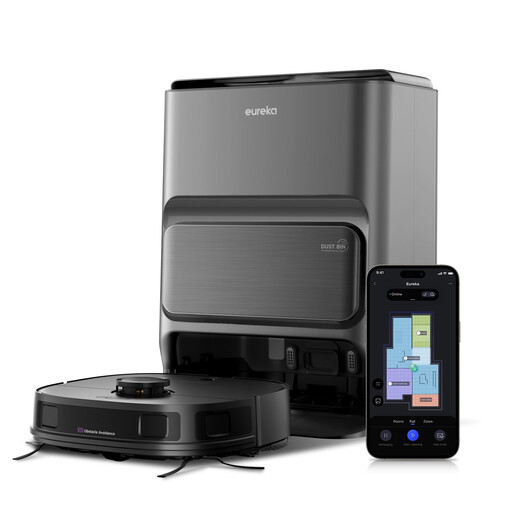
Why This Fits Their Persona: You want a complete, reliable all-in-one solution without paying for the latest, sometimes unproven, bells and whistles. You're looking for proven technology that just works.
This model focuses on the core functions that really matter: a station that automatically empties, washes, and dries, combined with reliable Dual LiDAR navigation and 3D AI obstacle detection. No unnecessary frills, just a clean home.
Offers a full-fledged all-in-one system with all essential automation features. The 5,000 Pa suction power is a solid foundation for most households.
A robot vacuum is a personal choice. If the models above aren't exactly what you're looking for, check out our full, up-to-date range.
This depends on the model and your household. Thanks to large dust bags in the station, you often only need to replace them every 60 to 75 days. The clean and dirty water tanks need to be refilled or emptied every few days, depending on usage. A quick monthly inspection of the washing plate in the station is recommended to keep everything running smoothly.
Yes, for most households, it makes a noticeable difference. Where standard navigation struggles with scattered shoes, cables, or toys, a robot vacuum with AI navigation can recognise these objects and manoeuvre around them. This significantly reduces the chances of it getting stuck, especially in a home with children or pets.
The lifespan varies by brand, but you can expect mop pads and filters to last 3 to 6 months with normal use. The costs are generally comparable to those of traditional vacuum bags and filters. Always check the product page for specific information about replacement parts to avoid unexpected costs.
