
Vandaag of morgen in huis

Kwaliteit gegarandeerd

Welkomstaanbiedingen ontgrendelen: GRATIS bezorging | Tot 80% korting | Gratis 30 dagen JoyPlus-proefperiode
Download de app
A clean home without having to lift a finger. That's the promise of a modern robot vacuum. But anyone with a busy life, a family, or pets knows that vacuuming alone isn't enough. Crumbs, muddy paw prints, and daily grime demand a more thorough approach. A robot vacuum and mop with a self-emptying station offers the ultimate solution: a fully automated system that not only vacuums but also mops, cleans itself, and disposes of the dirt.
The market is filled with choices, each with its own specifications and technologies. In this article, we'll help you understand the features that truly matter. We will highlight several popular models based on their specifications, so you can make an informed decision that suits your household.
Before we dive into the models, it's helpful to know which specifications make a real difference. Here are three key points to consider.
An advanced robot vacuum must navigate intelligently. Older models tend to bump into furniture or get tangled in cables. A smart robot vacuum with AI (Artificial Intelligence) uses cameras and sensors to recognise and avoid objects like shoes, toys, and even pet accidents. This ensures a more efficient and worry-free cleaning session. Look for terms like LiDAR (laser navigation) and camera-based AI recognition.
For a truly clean result, two things are crucial: suction power and mopping method.
The base station is what makes a robot vacuum truly autonomous. A robot vacuum and mop with a self-cleaning station can do more than just recharge the battery. The most advanced stations are self-emptying (automatically emptying the dustbin), wash the mop pads (sometimes with hot water), dry the pads with hot air to prevent mould and odours, and refill the robot's water tank. This minimises maintenance to once every few weeks or even months.
Based on the criteria above, we have selected a few models that stand out for their specifications and functionalities.

Why This Model Stands Out: The Narwal Freo Z10 Ultra targets a common problem: cleaning edges and corners. According to the manufacturer, its mop can extend to reach these tricky spots. The combination of high suction power and a base station that washes and dries the mops with hot water makes this a very comprehensive option.
Who is this model for? For households where thorough cleaning, right into the corners, is a priority. Its specifications make it an interesting choice for people with pets and hard floors who value hygiene.
View the NARWAL Freo Z10 Ultra on Joybuy.nl
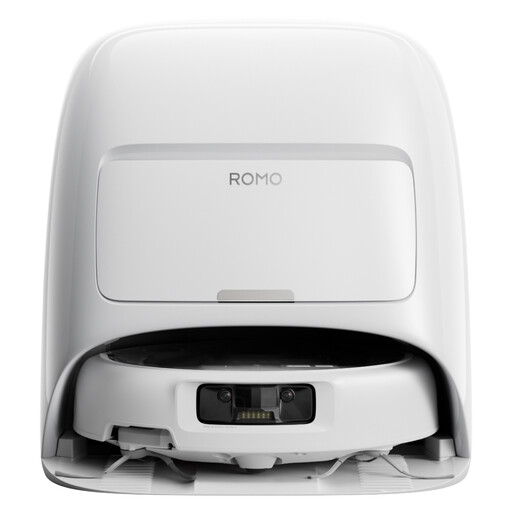
Why This Model Stands Out: DJI, known for its drones, applies its navigation technology to this robot vacuum. The model combines extremely high suction power with what the manufacturer calls "drone-grade" sensors for precision navigation. The dual robotic arms are designed to effectively guide dirt towards the suction inlet. Its transparent design also gives it a unique, high-tech look.
Who is this model for? For the tech enthusiast looking for maximum suction power and advanced navigation. The high-end specifications and unique design will appeal to users willing to invest in cutting-edge technology.
View the DJI ROMO A on Joybuy.nl
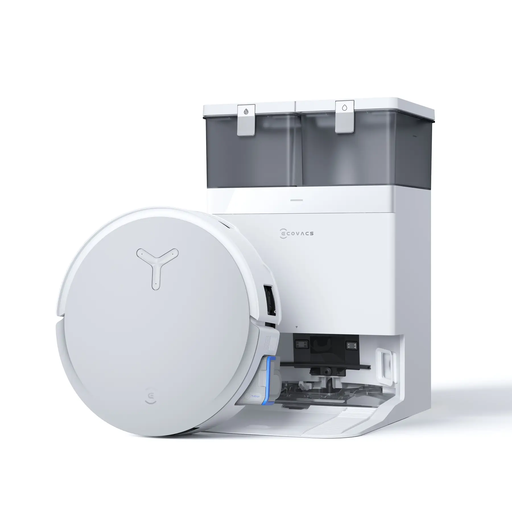
Why This Model Stands Out: The Ecovacs DEEBOT X8 Omni offers many premium features at a competitive price. With a powerful suction motor, hot water mop cleaning, and advanced edge detection, this model delivers a complete package. The OZMO Turbo Roller Mop is designed for continuous self-cleaning during mopping.
Who is this model for? For those looking for a robot vacuum with an excellent mopping function and self-cleaning convenience, but who are also mindful of value for money. This model combines many sought-after specifications in a more accessible package.
View the Ecovacs DEEBOT X8 Omni on Joybuy.nl
The world of robot vacuums is vast and diverse. If the models above don't quite meet your needs, or if you're looking for other cleaning solutions, we invite you to explore our broader selection.
Discover more options in our Dry Mops category
1. How often do I need to maintain the self-emptying station of a robot vacuum? This depends on the size of your home and the amount of dirt (e.g., from pets). Most self-emptying stations have dust bags that need to be replaced once every 60 to 120 days. The clean and dirty water tanks for the mopping function typically need to be refilled and emptied more often, about once a week, depending on usage.
2. Does a robot vacuum and mop work well on carpet? Yes, most modern models are equipped for this. They use sensors to detect carpet and will automatically lift the mop pads to prevent the carpet from getting wet. At the same time, they often increase suction power for a deep clean of the carpet.
3. Is a robot vacuum with AI really better at avoiding objects? A model with AI-driven cameras is generally better at recognising unexpected, temporary obstacles than models that rely solely on LiDAR or infrared sensors. Think of a stray sock, a pet's water bowl, or a misplaced cable. This makes the cleaning cycle more reliable and reduces the chance of the robot getting stuck.
