
Vandaag of morgen in huis

Kwaliteit gegarandeerd

Welkomstaanbiedingen ontgrendelen: GRATIS bezorging | Tot 80% korting | Gratis 30 dagen JoyPlus-proefperiode
Download de app
A robot vacuum that not only vacuums but also mops and empties itself. It sounds like a dream for anyone who would rather spend their time on things other than cleaning. However, the market is flooded with models that promise the world. As a Product Recommendation Officer at Joybuy, I see the challenges consumers face every day. Before you invest, it's crucial to look beyond the marketing hype.
Many buyers fall into a few common pitfalls:
To choose a model that fits your home and lifestyle, it's wise to understand a few technical specifications. These are the factors that make the difference between daily convenience and weekly frustration.
The navigation method determines how efficiently and thoroughly the robot cleans. A smart robot vacuum typically relies on one of these two systems:
For a household with a complex layout or for those who want to clean at night, a model with LiDAR navigation is often the more reliable choice.
A powerful motor is a good start, but it's the combination of suction power, brushes, and mopping technology that gets the job done.
The self-empty station is the core of its convenience. Here are the key differences:
Consider beforehand how much maintenance you are willing to do yourself. A fully automated station from brands like Roborock or Ecovacs offers maximum convenience but comes at a different price point from a basic model.
Based on objective specifications, we have selected a few models that suit different needs and budgets.
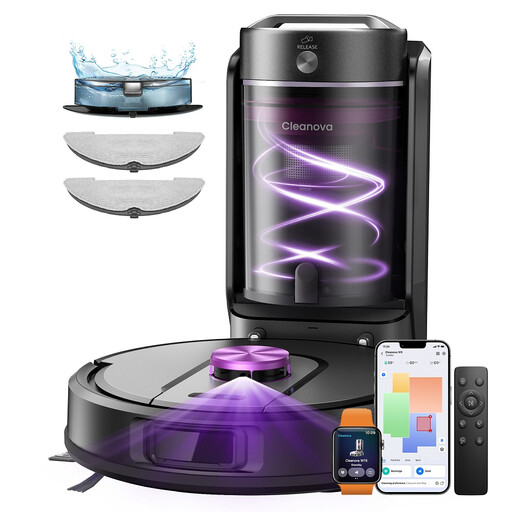
Why This Fits Their Persona: Ideal for those trying a robot vacuum with a self-empty station for the first time. This model offers advanced features like LiDAR navigation and high suction power without the premium price tag.
The bagless self-empty station with multi-cyclone technology avoids the hidden cost of continuously buying new dust bags.
LiDAR navigation for accurate maps and efficient routes. The manufacturer claims a suction power of 10,000 Pa, which is powerful for this price range.
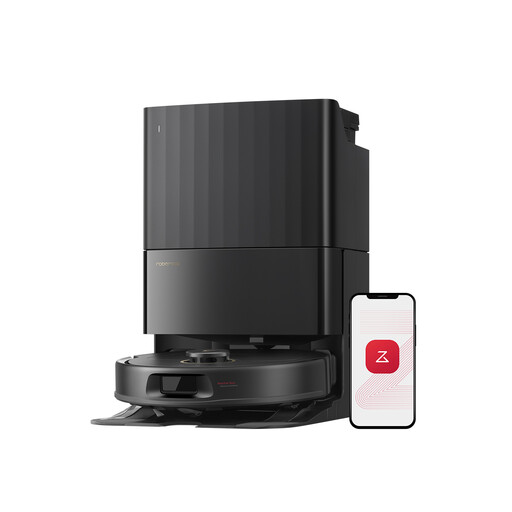
Why This Fits Their Persona: Designed for the challenges of a busy household with pets and kids. The focus is on effectively picking up hair and avoiding stray toys.
This model tackles the suction power trap with a dual anti-tangle system. It's not just about the 12,000 Pa suction, but about brushes designed to effectively handle hair without getting stuck.
The FlexiArm mops are designed to reach better into corners. The station dries the mops with hot air, which improves hygiene in a home with pets.
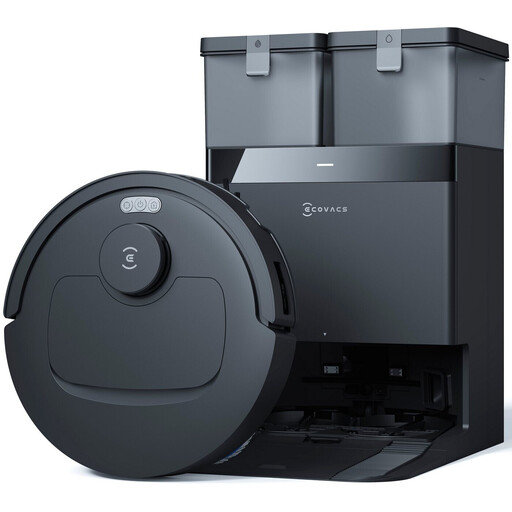
Why This Fits Their Persona: For those seeking a nearly hands-free cleaning experience. This model is packed with the latest technologies for maximum performance and minimal maintenance.
This model bypasses the 'dumb' smart navigation trap with TruEdge 2.0 technology, where the mop and brushes extend to clean deep into corners and along edges—spots that many robots miss.
The OMNI station is all-in-one: it washes the mops with 75°C hot water, dries them, empties the dustbin, and even dispenses cleaning solution. The manufacturer claims it has a suction power of 25,000 Pa.
A robot vacuum is a personal choice. For example, if you have specific requirements for delicate hardwood floors, we have a separate selection for you. Discover models tailored to different floor types.
Although a self-empty station takes a lot of work off your hands, it's not a completely maintenance-free device. You will still need to periodically:
Yes, most modern and advanced models are well-equipped for this. They use sensors to detect carpet. When they approach a carpet, they automatically lift the mopping module to prevent the carpet from getting wet. At the same time, they often increase suction power for a deeper clean of the carpet. Always check if the model you're considering has "auto-lift mopping" if you have a mix of hard floors and carpets.
The lifespan of a robot vacuum depends on its build quality, usage, and maintenance. Generally, you can expect a lifespan of 3 to 5 years. The battery is often the first component to wear out. For many top brands like Roborock and Ecovacs, replacement batteries and other parts like brushes and filters are readily available, which can extend the lifespan. Regular maintenance is the key to a longer life.
