
Vandaag of morgen in huis

Kwaliteit gegarandeerd

Welkomstaanbiedingen ontgrendelen: GRATIS bezorging | Tot 80% korting | Gratis 30 dagen JoyPlus-proefperiode
Download de app
A robot vacuum that not only vacuums but also mops, empties itself, and even washes and dries its own mop. It sounds like a dream come true for anyone with a busy lifestyle. But the market is flooded with models that promise the world. Unfortunately, many of these promises lead to disappointment and an expensive gadget that ends up gathering dust in a closet.
Before you invest in such an advanced appliance, it's crucial to understand the common pitfalls. Many users discover too late that their "self-cleaning" assistant still requires a surprising amount of manual maintenance.
To help you choose a model that actually delivers on its promises, we'll explain the key specifications you need to look out for.
A truly automated cleaning experience depends on a few crucial technical features. By understanding them, you can distinguish marketing jargon from genuine functionality.
The term "self-cleaning station" is used broadly, but the functionalities vary enormously. A basic station only empties the robot's dustbin. An advanced station offers an all-in-one solution:
A station that combines all these features offers the most low-maintenance experience.
A robot that constantly gets stuck or bumps into furniture is more of a burden than a help. The navigation technology is the deciding factor here.
For households with pets, effectiveness against hair is a top priority. Pay attention to two things:
Based on these criteria, we have selected a few models that suit different needs and households.
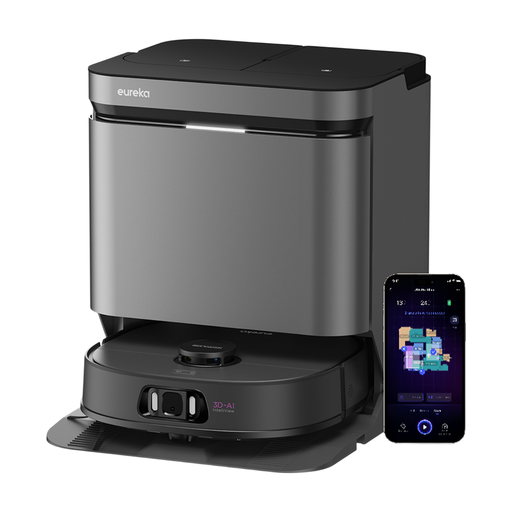
Why This Fits Their Persona: This model is designed for maximum autonomy. Ideal for busy households seeking a hygienic, 'set-it-and-forget-it' solution, especially with the challenges of pets and children.
The station washes the mops with 75°C hot water and dries them, avoiding the pitfall of a smelly station and smearing mops. The FlexiRazor anti-tangle technology directly addresses the frustration of tangled hair.
Fully automated maintenance, including hot water cleaning and an active hair-cutting mechanism. Its AI dirt detection adapts the cleaning strategy based on the type of debris.
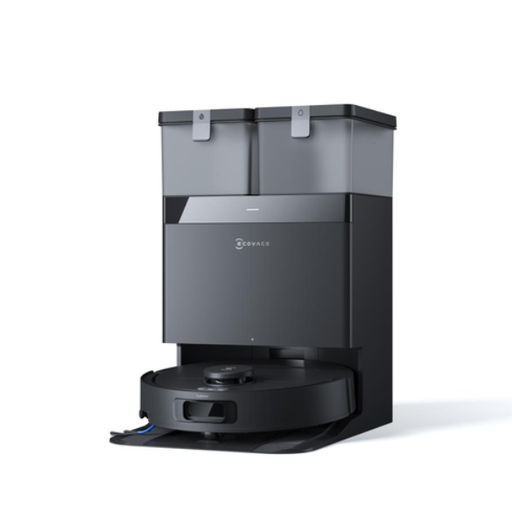
Why This Fits Their Persona: For the user who appreciates the latest tech gadgets. This model focuses on advanced anti-tangle structures and precision cleaning, which appeals to those who want the best-in-class technology.
According to the manufacturer, the ZeroTangle 3.0 technology, with a special brush structure and comb teeth, tackles the pitfall of hair entanglement. The OMNI station automates emptying and mop maintenance.
The focus is on an advanced anti-tangle system and edge cleaning. The compact OMNI station is designed to take up less space.
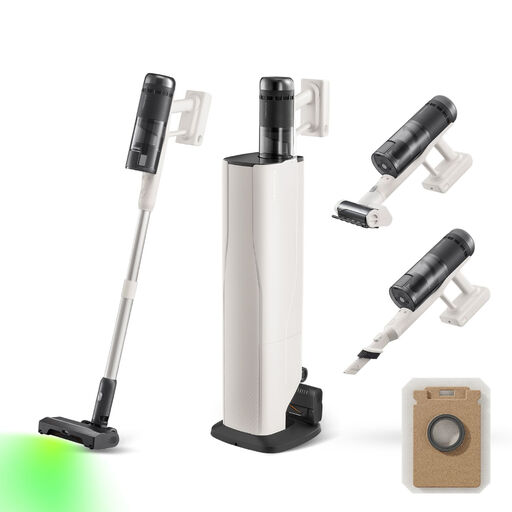
Why This Fits Their Persona: Not everyone wants full automation. This is for those who want the power and flexibility of a stick vacuum for stairs, furniture, and the car, but still desire the convenience of an automatic emptying station.
This model bypasses the pitfalls of robot navigation (getting stuck, missing objects) by offering full manual control. The automatic emptying station solves the tedious task of emptying the dustbin.
Combines the high suction power (170 AW) and versatility of a stick vacuum with the convenience of a self-emptying station. The anti-tangle brush is also designed for households with hair.
We have compiled a complete, up-to-date list of products that meet these strict selection criteria and comply with local safety regulations.
Even the most advanced stations require some maintenance. Expect to clean the water tanks every few months to prevent limescale and dirt buildup. The dust bag in the station needs to be replaced every 2 to 3 months, depending on usage. It's significantly less work than daily maintenance, but it's not completely maintenance-free.
Yes, most modern models have smart carpet detection. When the robot approaches a carpet, it automatically lifts its mop pads to prevent the carpet from getting wet. It then often increases suction power for a deeper clean. Always check if the model you are considering has this feature.
For a tidy, minimalist home, a standard LDS robot is often sufficient. However, in a dynamic household with children, pets, or where items are often left on the floor, AI navigation is absolutely worth the extra cost. It prevents the frustration of the robot getting stuck on a stray sock or a charging cable, meaning you don't have to constantly "rescue" it. It ensures a much more reliable and autonomous cleaning experience.
