
Vandaag of morgen in huis

Kwaliteit gegarandeerd

Welkomstaanbiedingen ontgrendelen: GRATIS bezorging | Tot 80% korting | Gratis 30 dagen JoyPlus-proefperiode
Download de app
A robot vacuum that can also mop sounds like a dream come true for any busy household: no more vacuuming or mopping by hand, and always a clean floor. But the market is flooded with models that promise the world. Many people buy a device that, after a few months of frustration, ends up in a cupboard. This is often due to marketing hype and hidden drawbacks.
Before you make a choice, it's important to know what to look for. We've listed the three most common pitfalls to help you avoid a bad purchase.
robot vacuum for pet hair, the brush design and navigation are more important than raw suction power.robot vacuum and mop needs active mopping technology, such as rotating or vibrating mop pads that actually scrub the floor.robot vacuum with an auto-empty station seems ideal, but not all stations are created equal. Some systems get clogged easily by long hair or require expensive, proprietary dust bags. A bagless system or a station designed to prevent clogs will save you money and frustration in the long run.To avoid these pitfalls, it's better to look at the specifications that truly matter. These are the three most important factors that determine whether a robot vacuum and mop will perform well in your home.
The way a robot navigates your home is crucial.
As mentioned, not all mopping functions are the same. Pay attention to the type of technology:
For households with pets or long-haired residents, the brush design is crucial. A traditional bristle brush gets tangled easily. Therefore, look for models with:
To help you with your choice, we have highlighted a few models that suit specific needs and situations.
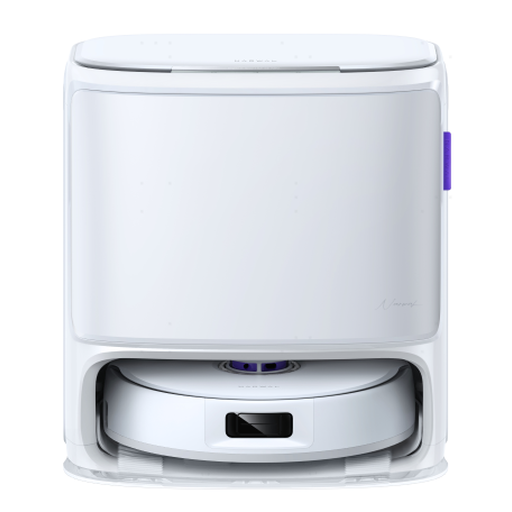
Why This Fits Their Persona: This model is designed for households where hygiene and minimal maintenance are a priority, such as those with pets. The focus is on preventing tangles and thoroughly cleaning the mops.
The 'DualFlow Tangle-Free System' is specifically designed to prevent hair from getting stuck in the brushes. The base station washes the mops with hot water and dries them, which avoids the 'wet cloth' pitfall and minimises maintenance.
The rotating mops with 8N of downward pressure scrub away stains. According to the manufacturer, the dirt sensor detects when an area is not yet clean and has the robot mop again until it's spotless.
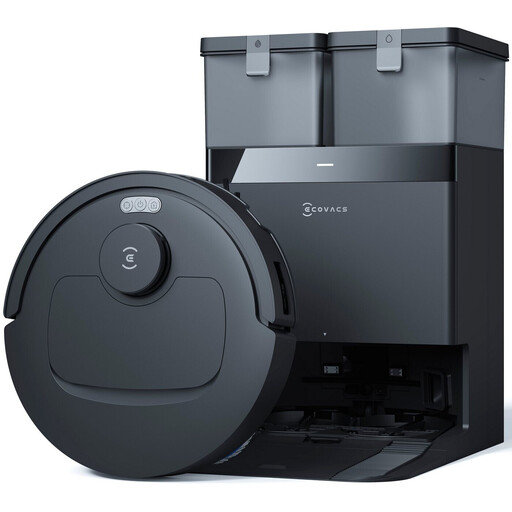
Why This Fits Their Persona: For those looking for maximum automation and the latest technology. This model offers a completely hands-free experience, from cleaning to the robot's self-maintenance.
This model combines high suction power (25,000 Pa according to ECOVACS) with a ZeroTangle 3.0 brush. The OMNI station washes the rotating mops with 75°C hot water, which goes far beyond a simple mopping function and minimises maintenance.
The TruEdge 2.0 technology allows the mop and brushes to extend to reach edges and corners, an area where many other robots struggle. The OMNI station is one of the most comprehensive on the market.
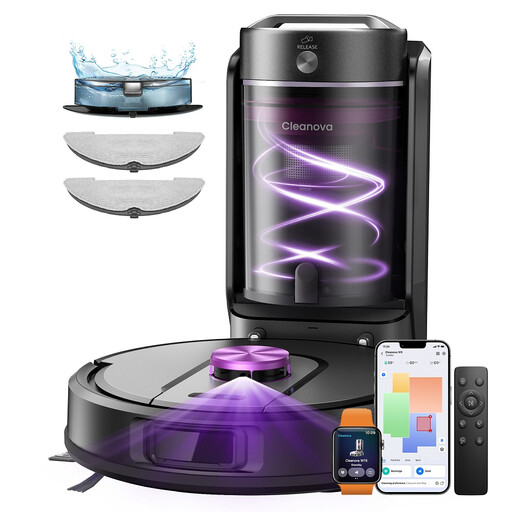
Why This Fits Their Persona: Ideal for those who want to experience the benefits of an automated cleaning assistant without paying a premium price. This model offers modern features like LiDAR and an auto-empty station at an accessible price point.
This model features a bagless auto-empty station. This directly addresses the pitfall of expensive, recurring costs for dust bags. The inclusion of 360° Laser Navigation (LiDAR) ensures efficient cleaning, which is uncommon in this price range.
It combines vacuuming, sweeping, and mopping in one. The ability to save up to 5 maps is useful for homes with multiple floors. Control via the app, voice assistants, and an included remote control makes it accessible to everyone.
We have compiled a complete, up-to-date list of products that meet these strict selection criteria and safety standards.
The lifespan of a robot vacuum depends on the brand, usage, and maintenance. On average, you can expect a lifespan of 3 to 5 years. The battery is often the first component to wear out. Regular cleaning of brushes, filters, and sensors is essential to extend its lifespan.
An auto-empty station significantly reduces daily maintenance, as you don't have to empty the robot's dustbin yourself. However, the station itself does require some maintenance. Depending on the model, you'll need to replace the dust bag in the station or empty the collection bin once every 1-3 months. Also, periodically check that the suction duct is not clogged, especially if you have pets.
Most modern robot vacuums with a mopping function have carpet detection. As soon as the robot detects carpet, it will automatically lift the mopping plate or stop the water supply to prevent the carpet from getting wet. On models with rotating mops, these are often lifted 10-12 mm, which is sufficient for low-pile carpet. For high-pile carpet, it is advisable to set a 'no-mop zone' in the app.
