
Vandaag of morgen in huis

Kwaliteit gegarandeerd

Welkomstaanbiedingen ontgrendelen: GRATIS bezorging | Tot 80% korting | Gratis 30 dagen JoyPlus-proefperiode
Download de app
A robot vacuum that can also mop sounds like a dream for anyone with a busy life: coming home to a clean house without having to lift a finger. However, the market is flooded with models that make lofty promises. Many of these devices end up as an expensive disappointment, collecting dust in the corner of a room.
As a Product Recommendation Officer at Joybuy, I see daily which models live up to their promises and which rely mainly on clever marketing. Before you invest, it's crucial to recognise the common pitfalls that can render your purchase useless.
To avoid buyer's remorse, focus on the technical specifications that determine how autonomous and effective a robot truly is. Pay attention to the following three key points.
A robot vacuum with an auto-empty dock is a start, but the degree of automation determines its true convenience. An advanced station can do more than just empty dust. Look for models that automate the following tasks:
A fully automated, self-cleaning robot vacuum means you won't have to think about maintenance for weeks at a time.
The way a robot maps its environment and avoids obstacles is crucial. LiDAR (Light Detection and Ranging) is a common technology that uses lasers to create a precise map of your home. This ensures a systematic and efficient cleaning path.
For households with pets or young children, AI-powered obstacle recognition is a key addition. These systems use cameras and sensors to identify and avoid objects like shoes, toys, and pet "accidents." Through a smart vacuum with an app, you can then set up no-go zones and fully customise the cleaning process.
Suction power, expressed in Pascals (Pa), is an indicator, but it's not the whole story. For a robot vacuum for pet hair, an anti-tangle brush system is just as important. This prevents hair from getting wrapped around the brush and reducing suction.
Do you have both hard floors and carpet? Choose a model that automatically detects carpet. An advanced robot vacuum for carpet and hard floors will lift its mopping pads—or even leave them at the base station—before driving onto the carpet, ensuring your rug stays dry and clean.
Based on objective specifications, we have selected a few models that suit different home and lifestyle situations.
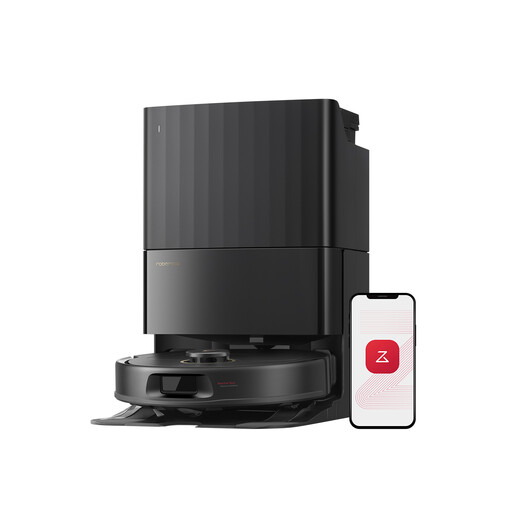
Why This Fits Their Persona: For those battling pet hair daily, a powerful and smart approach is essential. This model combines high suction power with a brush system specially designed to detangle hair, keeping the robot working efficiently without constant maintenance.
The dual anti-tangle system tackles the core problem of pet hair: clogged brushes. The FlexiArm mops provide active cleaning, far superior to a passive wet cloth.
12,000 Pa suction power for deep cleaning and a station that dries the mops with hot air to prevent odours.
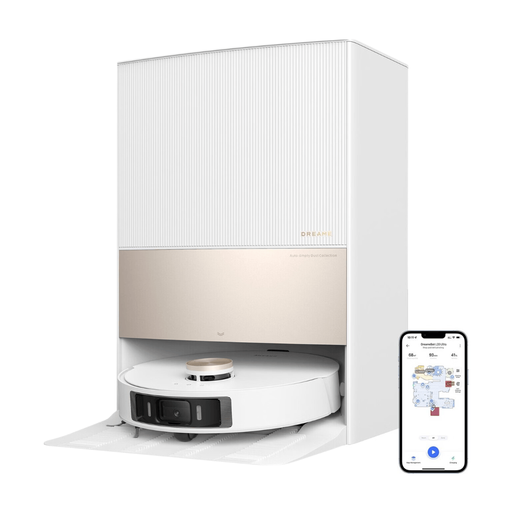
Why This Fits Their Persona: In a lively home with scattered toys and shoes, you need a robot that doesn't get stuck at the slightest obstacle. This model is designed to intelligently handle an unpredictable environment, allowing cleaning to continue without you having to tidy up first.
This avoids the pitfall of a "dumb" smart robot. According to the manufacturer, its Pathfinder Smart Navigation system with AI can recognise up to 55 types of objects, allowing the robot to navigate efficiently around obstacles instead of bumping into them.
The MopExtend technology extends the mop to clean tightly along edges and in corners. The fully automatic base station handles all maintenance.
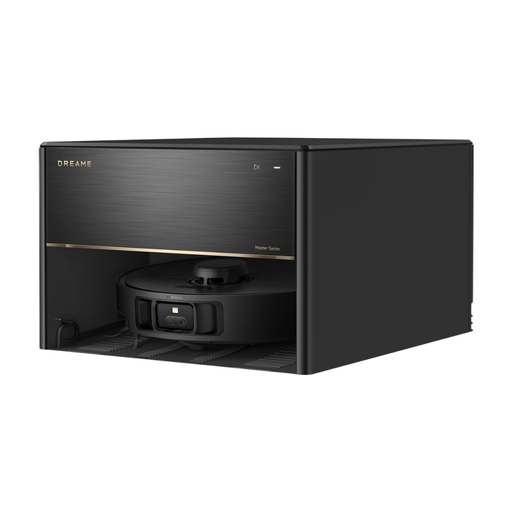
Why This Fits Their Persona: For those seeking ultimate convenience and the latest technology, this model is a compelling option. It offers an extremely high level of automation, including features that still require manual intervention on most other robots.
This model tackles the pitfall of the "semi-automatic" station. The 8-in-1 base station with automatic water supply and drainage makes the system truly "hands-free," so you don't have to constantly fill and empty water tanks.
The MopExtend RoboSwing technology ensures a thorough clean right into the corners. The 12,000 Pa suction power and the extendable side brush contribute to a complete cleaning result.
We've compiled a complete, up-to-date list of products that meet these strict selection criteria and safety regulations.
This depends on the level of automation. With a basic station that only empties dust, you'll need to clean the mops and refill the water tanks after each cleaning cycle. With a fully automated station (including washing, drying, and water supply), you typically only need to replace the dust bag and top up the water reservoirs every 60-75 days.
Most robot vacuums are designed for low- to medium-pile carpet. On high-pile carpet, the robot may struggle to navigate, and its brushes can get stuck. A model with a high threshold clearance (approx. 2 cm / 0.8 in) and strong suction power will perform better. Look for the feature that automatically lifts the mopping pads; this is essential to prevent your high-pile carpet from getting wet.
Battery life is usually expressed in cleaning time per charge, which ranges from 150 to 240 minutes, depending on the mode. The battery itself typically lasts for several years. Parts like brushes, filters, and mopping pads are consumables. Manufacturers recommend replacing them every 3 to 12 months, depending on usage, to maintain peak cleaning performance.
