
Vandaag of morgen in huis

Kwaliteit gegarandeerd

Welkomstaanbiedingen ontgrendelen: GRATIS bezorging | Tot 80% korting | Gratis 30 dagen JoyPlus-proefperiode
Download de app
A robot vacuum with a mop can make everyday cleaning easier, but not every model is right for every home. A flat with mostly laminate flooring has different needs from a house with pets, high thresholds and several floors. So don’t focus solely on high suction power or a smart-looking app.
Manufacturers often quote impressive suction power in pascals, such as 4,000, 12,000 or even 20,000 Pa. This is a technical maximum taken from the product information. Actual cleaning performance also depends on the brush, airflow, floor type, filter and how the robot picks up dirt.
For example, a robot vacuum for pet owners benefits more from a brush that is less likely to trap hair than from a high Pa figure alone. Also check whether the robot recognises carpets and lifts its mop. Otherwise, a damp cloth could run over your rug.
A self-cleaning robot vacuum can wash the mop or clean the brush, but you’ll usually still need to empty dirty water, maintain the filters and leave mop pads to dry. Some stations empty the dust bin automatically, but dust bags have a limited capacity too.
Check the difference between:
A robot vacuum with LiDAR navigation usually maps your home using laser sensors and follows a more systematic route than models that move around at random. Even so, cables, clothes left on the floor, low-hanging curtains, mirrors and very dark surfaces can cause problems. Before the first clean, check the floor and set no-go zones in the app where needed.
For hard floors, an even mopping motion matters more than the highest possible power. Look for:
A robot that only wipes surfaces with a light damp cloth won’t replace manual cleaning of dried-on stains. The mopping function is best suited to everyday upkeep.
The stated run time depends on the suction setting, floor type and route. Around 90 to 120 minutes may be enough for a smaller home. In a larger house, automatic recharging and resuming are important. Some models save multiple maps, which is useful in a home with several floors.
Check the robot’s height too. A low-profile model can fit under furniture, but a raised LiDAR turret can increase its overall height. Also check the maximum threshold height if your rooms have different floor levels.
An all-in-one station saves you a few chores, but takes up space. Check how much clearance is needed at the sides and in front of the station. Also look at:
A robot vacuum with an app often offers scheduling, room selection, virtual walls and different suction settings. Check whether the app is needed for the initial set-up and whether the model only supports 2.4GHz Wi-Fi.
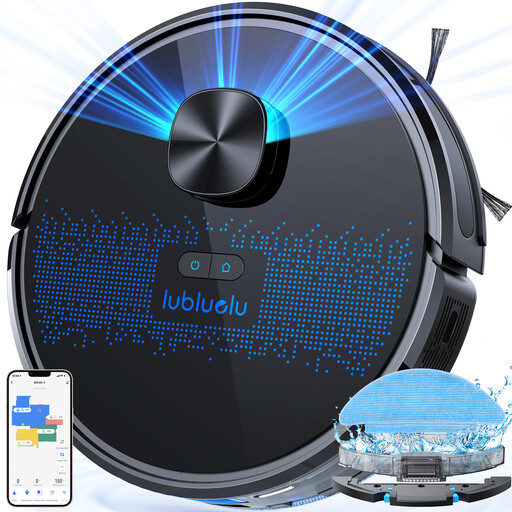
Why it suits this type of buyer: This model combines vacuuming, mopping, laser navigation and app control, without requiring you to invest in a dedicated maintenance station straight away.
The product information lists suction power of 4,000 Pa and five saved maps. Check the mop pad yourself and empty the dust container after use; the robot isn’t completely maintenance-free.
LiDAR navigation, app control, 4,000 Pa according to the product details, and support for carpets and hard floors.

Why it suits this type of buyer: A good fit for households that value a range of automatic functions and control through a feature-rich app.
The OMNI station’s functions are clearly set out: emptying dust, washing the mop with hot water, drying it and topping up the water. Just remember to allow for the station’s dimensions.
20,000 Pa according to the product information, TrueMapping 2.0, automatic carpet detection and 75°C mop washing according to the product specifications.
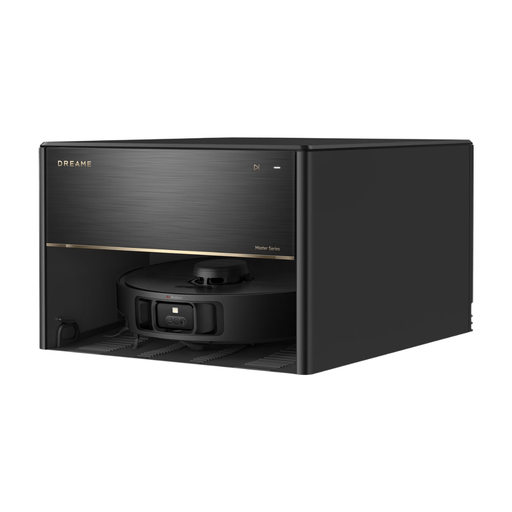
Why it suits this type of buyer: An option for larger homes or anyone looking to combine automatic water drainage and supply with long-lasting use.
The automatic water connection means less manual refilling and emptying, but you’ll need a suitable place to install it. Measure the space in advance and check the available connections.
12,000 Pa according to the product specifications, a 6,400 mAh battery and a station with an automatic water connection.
We’ve put together a complete, up-to-date list of products that meet these strict selection criteria and the applicable European safety regulations.
A robot vacuum and mop will only work well if you get the basics right:
A stick model such as the Tineco Floor One Stretch S6 or iFLOOR 5 isn’t a robot, but it can be a practical addition for spills and targeted cleaning on hard floors. According to the product information, these appliances are suitable for surfaces including tiles, laminate and sealed wood.
Yes, if the model can recognise carpets and automatically lift the mop, or if you can set a no-mop zone in the app. Check this in the product details. A robot mop is mainly designed for light, damp maintenance—not for removing every stain from deep-pile carpet.
Even a model with a self-cleaning station needs some maintenance. Empty the dirty water tank, check the dust bag, wash removable mop pads, and clean the filters and sensors. How often you need to do this depends on how often you use it, the floor area and how much hair or dust it collects.
As well as the purchase price, replacement dust bags, filters, brushes and mop pads can add to the cost. A station with disposable dust bags is convenient, but comes with ongoing expenses. So compare not only the purchase price, but also the cost of parts and how often they need replacing.
