
Vandaag of morgen in huis

Kwaliteit gegarandeerd

Welkomstaanbiedingen ontgrendelen: GRATIS bezorging | Tot 80% korting | Gratis 30 dagen JoyPlus-proefperiode
Download de app
A robot vacuum with a mop can remove dust, crumbs and pet hair every day, without you having to vacuum and mop the whole house yourself. However, models vary considerably in their navigation, maintenance requirements and suitability for carpets or hard floors. A high suction power rating or a long list of smart features doesn’t automatically mean a device is right for your home.
Look out for these three common pitfalls:
A robot vacuum with LiDAR navigation uses lasers to map your home. This generally allows it to clean in a more methodical pattern than a model that moves randomly. Check whether the app supports multiple maps, rooms, cleaning schedules and virtual no-go zones.
Pay attention to the robot’s height, too. A low-profile model can fit under more furniture, but a protruding LiDAR module may add to its overall height. Measure the clearance under sofas, cupboards and beds.
Obstacle detection is useful in homes with toys, cables or pets. However, performance varies by model. Claims such as “smart navigation” or “AI obstacle avoidance” come from the product description, so always check which sensors and features are actually listed.
A powerful robot vacuum for carpets and pet hair needs more than just a high Pa rating. Also look for:
Regular maintenance is important if you’re choosing a robot vacuum for pet owners. Long hair can wrap around the brush and side wheels. Check whether the manufacturer lists a cleaning tool, anti-tangle feature or easily removable brush.
On hard floors, the way water is dispensed is particularly important. Too much water may not be suitable for some wooden floors. Choose a water setting that’s appropriate for your flooring and follow the instructions.
A base station can perform various tasks: emptying dust, refilling water, washing the mop and using warm air to dry it. A robot vacuum with mop washing and drying can reduce the amount of work you do by hand, but it doesn’t make the station maintenance-free.
Check the following before you buy:
A station with lots of features also takes up more floor space. Measure the available area before you order.
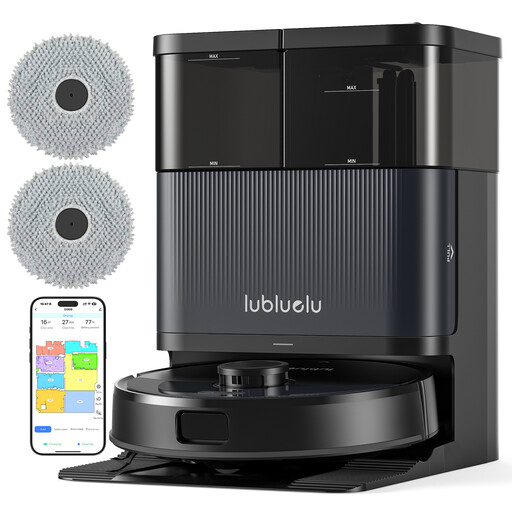
Why it suits this profile: With LiDAR mapping, app control, vacuuming and mopping, this model offers an accessible starting point for homes with hard floors, carpets and pets.
According to the product description, the mop can lift when a carpet is detected. The app also lets you set cleaning times, modes and suction power.
According to the product specifications: up to 10,000 Pa suction power, LiDAR navigation, an all-in-one station and app control.
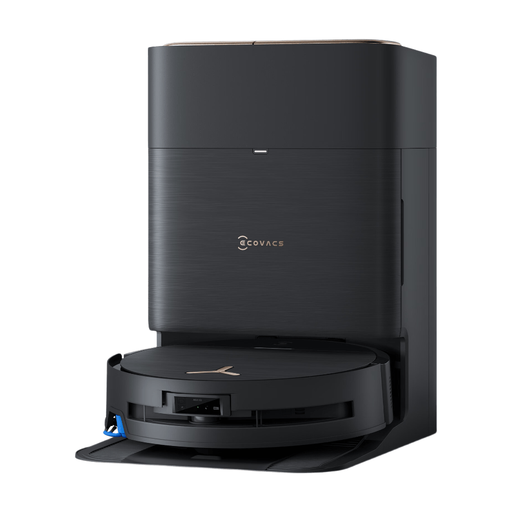
Why it suits this profile: This model is designed for people with larger homes who value automated mop cleaning, obstacle detection and a comprehensive station.
The product description mentions separate dry and wet cleaning, mop lifting on carpets, and automatic mop washing with hot water. Check the current settings and compatibility in the app.
According to the brand description: 16,600 Pa, OZMO Roller, ZeroTangle, hot-water cleaning and warm-air drying in the Omni station.
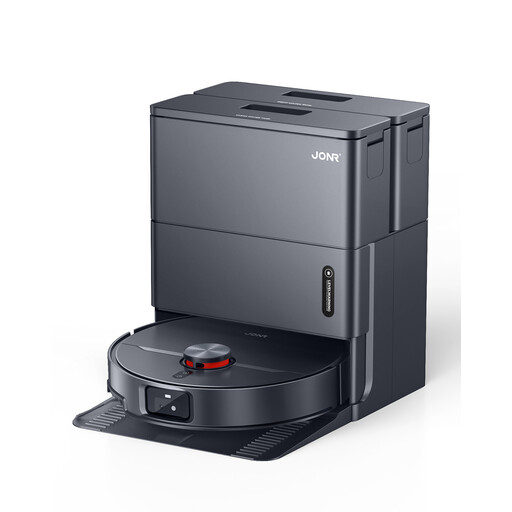
Why it suits this profile: A good fit for people who prioritise edge cleaning, powerful suction and automatic mop cleaning after use.
According to the product information, the station uses hot water to wash the mop and warm air to dry it. The dirty water tank and dust bag still need regular checking.
According to the product description: up to 20 kPa suction power, extendable dual arms, AI obstacle avoidance, a 75 °C mop wash and 45 °C drying.
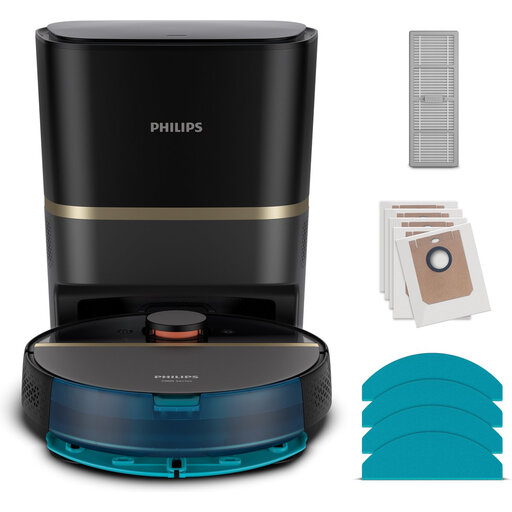
Why it suits this profile: A practical choice for homes looking to combine vacuuming and mopping with LiDAR navigation and an automatic emptying station.
The product specifications list a laser-based navigation system and a station that automatically empties the robot. The app is needed for full functionality.
According to the product information: up to 5,000 Pa, a runtime of up to 180 minutes, automatic emptying and support for Alexa, Amazon and Google Assistant.
We’ve put together a complete, up-to-date list of products that meet these strict selection criteria and comply with the applicable European safety regulations.
Place the charging dock on a level surface against a wall. For several models, around 0.5 metres of clear space on both sides and 1.5 metres in front is recommended. When creating the first map, open all internal doors and remove loose cables or small objects.
For reliable performance:
That depends on the model. Some devices increase suction power on carpets and automatically lift the mop. Check that these features are specifically listed in the product specifications. A robot vacuum designed for hard floors may be less suitable if your home is mostly covered in deep-pile carpet.
With normal use, clean the mop, brushes and sensors at least once a week. If you have pets or a lot of sand in your home, you may need to do this more often. A self-cleaning station needs attention, too: check the dirty water, dust bags and filters regularly.
As well as the purchase price, you may need to pay for dust bags, filters, brushes, mop pads and cleaning solution. Before buying, check whether replacement parts are available and how often they need to be replaced according to the instructions. A station that empties or dries automatically can save time, but you’ll generally still need replacement consumables and to clean it periodically.
