
Vandaag of morgen in huis

Kwaliteit gegarandeerd

Welkomstaanbiedingen ontgrendelen: GRATIS bezorging | Tot 80% korting | Gratis 30 dagen JoyPlus-proefperiode
Download de app
A robot vacuum and mop can tackle everyday dust, hair and light stains without you having to vacuum constantly. However, not every model is right for a Dutch home with carpets, hard floors, pets or multiple rooms. Marketing terms such as “powerful suction” and “smart navigation” don’t tell the whole story.
Look out for these common pitfalls:
A rating of 4,000 Pa is a useful point of comparison for dust, crumbs and pet hair. According to the product information for various Lubluelu models, this suction power is designed for hard floors and carpets. That doesn’t automatically mean every carpet will be cleaned equally thoroughly.
So also check:
For households with cats or dogs, a short daily clean is often more practical than one long clean each week. Do check the brush and filter regularly.
A robot vacuum with laser navigation uses a LiDAR or laser sensor to map the room. According to the product descriptions for the Lubluelu models, you can use the app to manage rooms, schedules, virtual walls and no-go zones. Some models also support up to five saved maps.
A robot vacuum with an app is especially useful when you want to:
Check the Wi-Fi specification. The SL60MAX lists support for 2.4 GHz Wi-Fi. Make sure your home network is compatible before you buy. Voice control via Alexa or Google Assistant is handy, but it’s no substitute for a clear app and on-device buttons.
A mop function is suitable for light, damp cleaning on hard floors. Follow the instructions provided and use only clean water, unless the manufacturer explicitly approves a particular cleaning solution. Don’t let the robot run over wet patches or standing water.
If you’re looking for a quiet robot vacuum, check the stated noise level carefully. The L15 Ultra is described as 55 dB in its product name, while the specifications also list a noise level of 70 dB. So don’t base your choice on a product name alone, and bear in mind the difference between normal and maximum operation.
A station with automatic dust disposal saves you a few chores. The SL60MAX is listed with a dust bag capacity of 3 to 4 litres. How long it lasts between replacements depends on your floor area, pets and the amount of dirt.
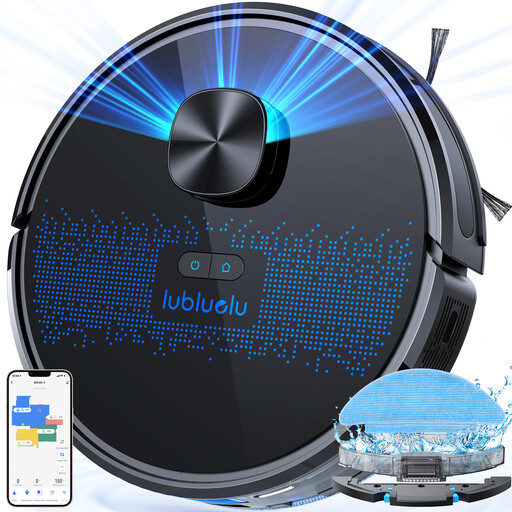
Why it suits this profile: This model combines vacuuming, mopping, laser navigation and app control for households looking for automated everyday cleaning without a large docking station.
The product information lists several suction settings, no-go zones and support for up to five maps. This lets you tailor cleaning more closely to different rooms and floor types.
4,000 Pa according to the product specifications, app control and a stated noise level of 55 dB.
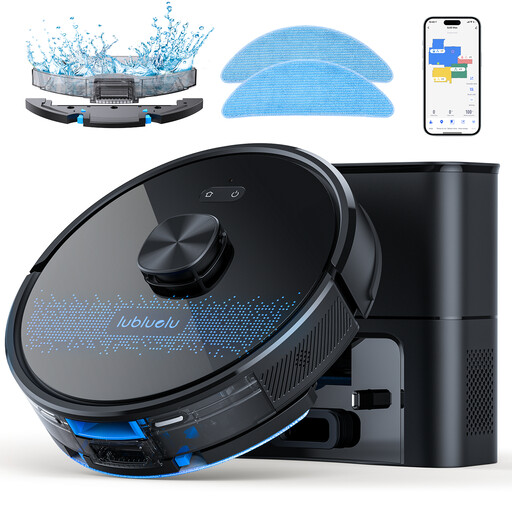
Why it suits this profile: A good choice for anyone who wants to empty the dust bin less often and values app or voice assistant control.
According to the product information, the separate station automatically empties the dust. You’ll still need to maintain the filters, brushes and mop pad.
4,000 Pa, LiDAR 9.0, electronic water control and support for Alexa and Google Assistant.
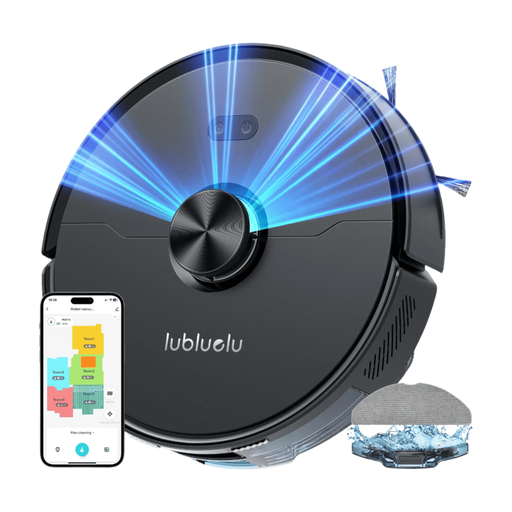
Why it suits this profile: This model is designed for larger homes and people who want to combine vacuuming, mopping and station maintenance as much as possible.
The product information lists a charging time of up to 180 minutes, a height of around 9.7 cm and a station with clean- and dirty-water tanks. Do check that the robot will fit under your furniture.
4,000 Pa, laser navigation, a stated coverage area of up to 300 m² and a station with a 4-litre clean-water tank.
We’ve put together a complete, up-to-date list of products that meet these strict selection criteria and the applicable European safety regulations.
Yes, as long as you choose a model with a removable mop module or one that lets you exclude carpets in the app. A damp mop pad shouldn’t run over carpet. Also check whether the manufacturer considers the model suitable for your type of carpet.
Clean the main and side brushes whenever hair gets tangled around them. Check the filter regularly, rinse the mop pad after use and wipe the sensors with a dry cloth. With a self-emptying robot vacuum, you’ll also need to check the dust bag and station.
The robot uses electricity for charging and cleaning. Additional costs may include replacement filters, brushes, mop pads and dust bags. The total running costs depend on how often you clean, the size of your home and whether you have pets. Before buying, check which replacement parts are available and how often the manual recommends changing them.
