
Vandaag of morgen in huis

Kwaliteit gegarandeerd

Welkomstaanbiedingen ontgrendelen: GRATIS bezorging | Tot 80% korting | Gratis 30 dagen JoyPlus-proefperiode
Download de app
A robot vacuum with a mop can make everyday cleaning easier. However, not every model is right for every home. A flat with mostly vinyl flooring has different needs from a house with deep-pile carpets, children and pets.
So when comparing models, don’t just look at a high suction power figure. Navigation, maintenance, mop management and the way the charging station works all affect how much convenience you’ll get in practice.
A 10000 Pa robot vacuum sounds powerful, but that figure doesn’t tell you everything. Actual cleaning performance also depends on the main brush, airflow, flooring and the design of the suction inlet. Check whether the stated suction power refers to the maximum setting, too. This setting may be noisier and drain the battery faster.
Most models use a damp mop to remove light footprints and dust from hard floors. That’s not the same as scrubbing by hand. A robot vacuum with a mop is therefore best suited to regular upkeep, rather than dried-on stains or spilled liquids.
Check whether the mop lifts automatically when carpet is detected. Without this feature, the robot may travel over carpet with a damp mop. Some models let you set carpet zones or no-mop areas in the app.
A robot vacuum with a self-cleaning station means less hands-on work, but it doesn’t eliminate maintenance. Dust bags, water tanks, filters, brushes and mop pads still need to be emptied or cleaned regularly. Check the dimensions of the station and how much clear space it needs, too. For some models, around 0.5 metres on both sides and 1.5 metres in front is recommended.
A medium suction setting is often enough for crumbs and fine dust on hard floors. In homes with dog and cat hair, a good main brush, a wide suction inlet and an anti-tangle design matter at least as much as the Pa rating.
A powerful robot vacuum rated at 4000 Pa, 8000 Pa or 10000 Pa, for example, may be worth considering for carpets and pet hair. However, these figures are manufacturer specifications and aren’t always directly comparable across brands. According to the product descriptions from the brands concerned, some models can automatically increase suction when they detect carpet.
A robot vacuum with LiDAR navigation uses laser scans to create a map of your home. This allows it to follow systematic cleaning routes, select rooms and, in many cases, set restricted areas.
Look out for practical features:
LiDAR helps with route planning, but it won’t prevent every collision. Tidy away toys, cables and clothes before the first cleaning run.
An automatic mop lift is useful if you have a mix of carpet and hard floors. The lift height varies by model. According to the product descriptions for some models, the mop can lift by 10 mm, for example. Check whether that’s high enough for your carpet.
A more advanced station may include features such as:
These features save time, but they often increase the purchase price and the number of parts you’ll need to maintain.
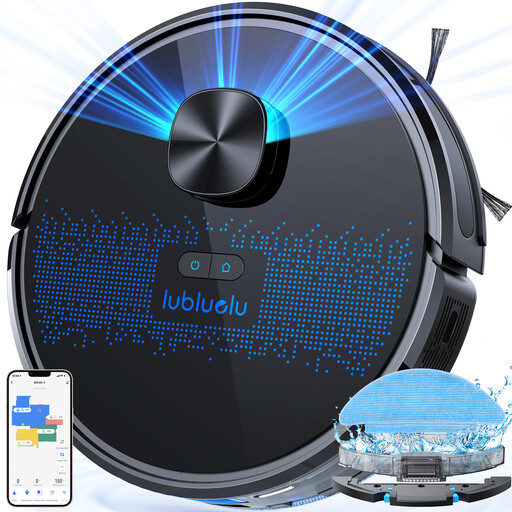
Why it suits this type of user: This model combines vacuuming and light damp mopping, with app control and laser navigation. It’s a good choice if you’d like to try a robot vacuum with a mop without committing to an advanced station straight away.
The product information lists adjustable suction power, room selection, no-go zones and a capacity of up to five maps. This means you can tailor the cleaning rather than relying solely on an automatic default setting.
4000 Pa according to the product description, LiDAR mapping, app control and support for hard floors, carpets and pet hair.

Why it suits this type of user: This model is designed for households that value multiple automatic maintenance features, such as mop washing, drying, dust emptying and water management, all in one station.
The station automates several maintenance steps. Be sure to check that you have enough space and keep the water tanks, brushes and sensors clean.
According to the product description: 20.000 Pa, OZMO Turbo 2.0, automatic mop washing with 75 °C water, warm-air drying and LiDAR-based TrueMapping.
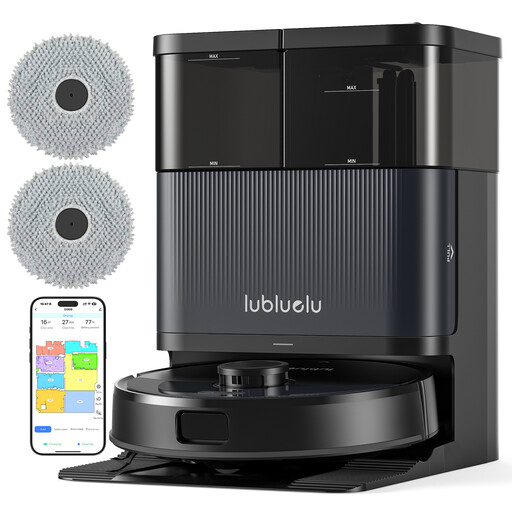
Why it suits this type of user: A practical choice for families and pet owners looking for a robot vacuum with a mop and an emptying station for everyday cleaning on carpets and hard floors.
The product description mentions carpet detection and automatic mop lifting. This helps prevent the robot from travelling over carpet with a damp mop, although it’s still wise to check the settings.
Up to 10000 Pa according to the product information, app control, LiDAR mapping and an all-in-one station with automatic emptying.
We’ve put together a complete, up-to-date list of products that meet these strict selection criteria and the current European safety regulations.
Create a complete map of your home before the first cleaning run. Leave the internal doors open and move cables, small toys and loose clothing out of the way. Then set up rooms, schedules and restricted areas in the app.
To help your robot last longer:
Don’t use a robot mop to pick up puddles, burning objects, sharp pieces or liquids. The appliance is intended for indoor use and should be kept out of reach of children.
It depends on the mop lift and carpet detection. If you have a mix of carpet and hard floors, choose a model that automatically lifts the mop or supports clear no-mop zones. Check the maximum threshold height, too.
If you have pets, it’s worth checking the brushes and filter several times a week. Ideally, rinse the mop pad after every mopping run. An automatic station cuts down on daily tasks, but doesn’t replace these checks.
As well as electricity, you may need to pay for dust bags, filters, brushes, mop pads and, in some cases, cleaning fluid. A bagless station can reduce the need for consumables, while a station with disposable dust bags means you’ll need to empty it by hand less often. So compare not only the purchase price, but also the cost and availability of replacement parts.
