
Vandaag of morgen in huis

Kwaliteit gegarandeerd

Welkomstaanbiedingen ontgrendelen: GRATIS bezorging | Tot 80% korting | Gratis 30 dagen JoyPlus-proefperiode
Download de app
A robot vacuum with a mop can tackle dust, crumbs and pet hair every day, without you having to vacuum each time. However, these appliances vary considerably in their navigation, mopping technology and maintenance requirements. A high suction-power figure on the packaging also doesn’t tell you everything about how easy a model will be to use in a British home.
Keep an eye out for these common pitfalls:
A robot vacuum with LiDAR navigation uses laser detection to map rooms. This can help it follow systematic routes, set virtual walls and clean by room. Check whether the app supports multiple maps, no-go zones and scheduled cleaning.
A laser turret can affect the robot’s height. Measure the clearance under low furniture before you order. A device that’s around 9.6 to 9.7 cm tall won’t necessarily fit under every sofa or cabinet.
The Pa figure is a stated technical specification, not a guarantee that every floor will be cleaned equally thoroughly. If you’re looking for a robot vacuum for carpets and hard floors, these features matter too:
According to the product information, the ECOVACS DEEBOT T30C OMNI Gen2 has a stated suction power of 20,000 Pa, carpet detection and a mop lift. These are verifiable product specifications; they don’t mean every stain or hair-related problem will be dealt with without any preparation.
A robot vacuum with a self-cleaning station can automate several tasks: emptying dust, washing and drying mops, and sometimes topping up the water. Pay particular attention to the capacity of the dust container and water tanks, the space needed around the station, and the cost of consumables.
With a simpler model that has a separate mop pad, you’ll need to rinse the cloth after every mopping session. Even with a more comprehensive all-in-one station, you’ll still need to empty the dirty water, check the brushes and clean parts as instructed in the manual.
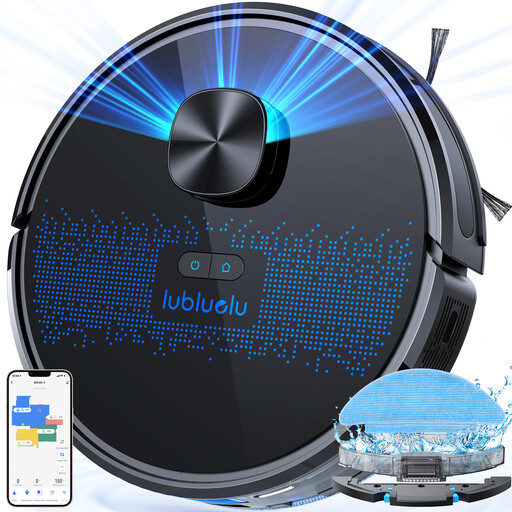
Why it suits this profile: This model combines vacuuming and damp mopping with app control and laser navigation. It’s a good choice if you’re trying a robot vacuum with a mop for the first time and don’t want to commit to a large all-in-one station straight away.
The product information lists 4,000 Pa, five saved maps and adjustable no-go zones. The mop pad and water tank do need to be fitted and cleaned by hand.
Laser navigation, app control, a stated noise level of 55 dB, and support for carpets and hard floors.

Why it suits this profile: This model is designed for households that value automated maintenance, multiple floor types and control through a feature-rich app.
According to the product description, the station is designed to empty dust automatically, wash the mops with warm water, dry them and refill the water. Check how much space you’ll need for the station before buying.
Stated suction power of 20,000 Pa, dual rotating mops, a 4-litre clean-water tank and TrueMapping 2.0 with multi-floor mapping.
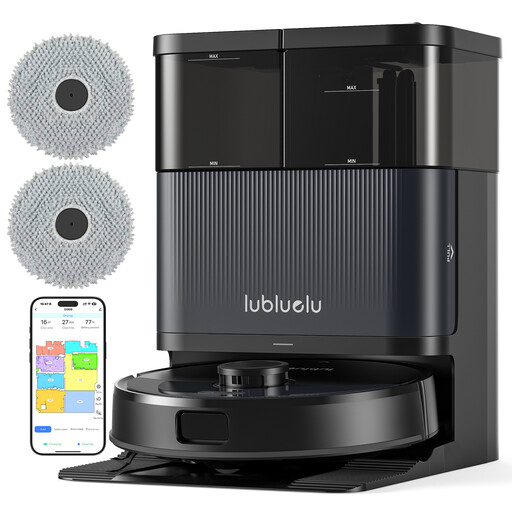
Why it suits this profile: The combination of an all-in-one station, LiDAR mapping and stated suction power of 10,000 Pa makes it a good match for larger homes and households with pets.
The description mentions automatic mop lifting on carpets and maintenance at the station. The dust bag, mop and sensors will still need periodic attention.
All-in-one station, app control, LiDAR mapping, and support for carpets and hard floors according to the product information.
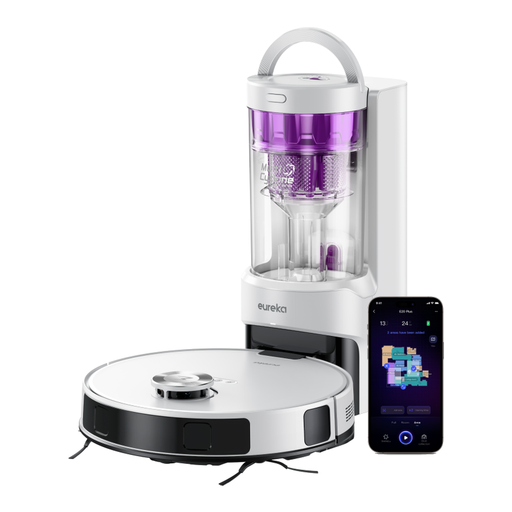
Why it suits this profile: This smart robot vacuum is a good fit if you need to tackle hair, crumbs and carpets, and want a generous dust capacity and app control.
The product information lists an anti-tangle brush, LiDAR navigation and a 10 mm mop lift. Check that these features suit the height and pile of your carpet.
A stated 2-litre dust container in the station, stated suction power of 10,000 Pa, and control via an app and voice assistants.
We’ve put together a complete, up-to-date list of products that meet these strict selection criteria and comply with current European safety regulations.
Place the charging station on a level surface against a wall. For many models, leave around 50 cm on either side and 1.5 metres in front. Move cables, loose clothing and small toys out of the way before letting the robot create its first map.
Only use clean water for mopping, unless the manual recommends a specific cleaning solution. Don’t use the robot to pick up puddles. Clean the mop after use, and check the main brush and side brushes regularly if you have pets.
That depends on the mop design. If you have carpets, choose a model with a mop lift, carpet detection or a removable mop module. Also check the maximum threshold height and carpet pile height listed in the product specifications.
Even a robot vacuum with automatic emptying needs maintenance. Empty the dirty-water tank, rinse the mop, clean the filter and check the brushes as instructed in the manual. If you have pets, you’ll need to check for hair build-up more often.
In addition to the purchase price, factor in electricity, filters, mop pads, brushes and dust bags. A bagless station avoids the cost of dust bags, while a station with a dust bag can mean less direct contact with dust. Compare the included parts and replacement costs before you order.
