
Vandaag of morgen in huis

Kwaliteit gegarandeerd

Welkomstaanbiedingen ontgrendelen: GRATIS bezorging | Tot 80% korting | Gratis 30 dagen JoyPlus-proefperiode
Download de app
A robot vacuum with a mopping function can pick up dust, crumbs and hair every day, without you having to keep getting the vacuum cleaner out. But the difference between a useful helper and a gadget that ends up in the cupboard can be greater than the product photo suggests.
Watch out for these three common pitfalls:
A higher figure, such as 4,000, 10,000 or 20,000 Pa, can indicate a powerful motor setting, but it doesn’t guarantee the same cleaning results in every home. For carpets, a well-designed main brush, automatic carpet detection and a suitable suction setting are just as important.
If you’re looking for a robot vacuum for carpets and hard floors, check:
According to the product information, the Lubluelu S1000 can be set to a suction power of up to 10,000 Pa and detect carpets, automatically lifting the mop in the process. The Eureka E20 Plus lists 8,000 Pa, a 10 mm mop lift and a runtime of up to 180 minutes. These figures come from the brands’ product descriptions and are best used as points of comparison.
A robot vacuum with LiDAR navigation will generally map rooms systematically. This is useful in homes with several rooms, furniture or multiple floors. Also look for:
Laser navigation only works well if the robot has enough space to leave and return to its charging station. Cables, loose clothing and toys can still cause blockages. So, especially before the first map scan, clear as much as possible from the floor.
A robot vacuum with a self-cleaning station can make everyday use easier. However, check exactly what “self-cleaning” means. Some stations only empty the dustbin; others also wash and dry the mop pads, refill the clean water or drain the dirty water.
Consider these practical points:
A self-cleaning station reduces the amount you need to do, but doesn’t eliminate maintenance. Check the tanks, sensors and brushes as instructed in the manual.
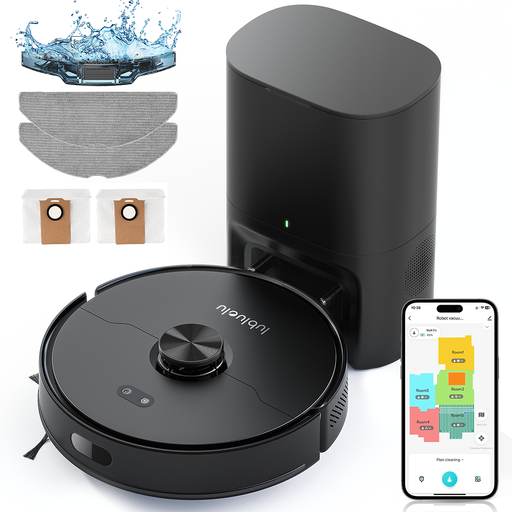
Why it suits this type of buyer: This model combines vacuuming, mopping, laser navigation and app control. It’s a good fit for households looking for a straightforward option without needing the most advanced station features.
The product information lists five saved maps, no-go zones and adjustable suction settings. Make sure there’s enough space around the charging station and put cables away before use.
According to the product specifications: 4,000 Pa suction power, laser navigation, app control and support for carpets and hard floors.

Why it suits this type of buyer: A good choice for larger households with hard floors, carpets and pets, where automatic emptying, mop washing and drying are priorities.
The product description lists dust emptying, mop washing with 75°C water, drying and water refilling as separate functions. Check which replacement supplies are available locally.
According to the product description: 20,000 Pa, dual rotating mops, TruEdge 2.0 edge cleaning and automatic station functions.
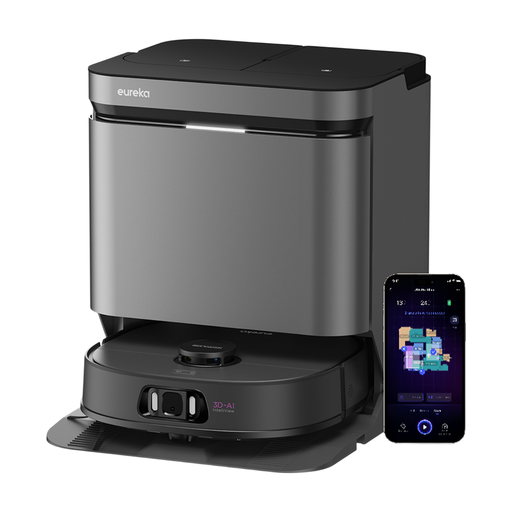
Why it suits this type of buyer: An option for homes with lots of hair and crumbs, and a mix of floor types, where anti-tangle technology and automated maintenance are important.
The manufacturer lists FlexiRazor anti-tangle technology and a self-cleaning station. These are manufacturer specifications, so you should still check the brush regularly in practice.
According to the product information: 16,200 Pa, liquid detection, brush lift and mop maintenance with 75°C hot water.
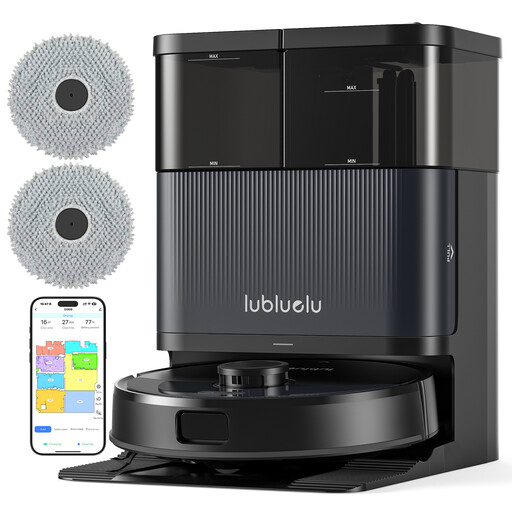
Why it suits this type of buyer: A practical choice for users who want to combine app scheduling and an all-in-one station with support for pet hair, carpets and hard floors.
The setup instructions mention LiDAR mapping, app scheduling and automatic return to the station. You’ll still need to remove and dry the mop after use.
According to the product details: up to 10,000 Pa, 55 dB as stated, carpet detection and a station that handles several maintenance tasks.
We’ve put together a complete, up-to-date list of products that meet these strict selection criteria and current European safety requirements.
Not every cleaning task calls for a robot vacuum. A robot window cleaner is designed for smooth glass surfaces and usually needs to stay connected to the mains while in use. Always use the supplied safety cable and stay nearby. Models such as the ECOVACS WINBOT W2 PRO Omni and PuRuiKai window-cleaning robots form a separate product category.
For pool maintenance, a pool robot uses a filter basket, waterproof housing and its own battery. The XUSHIDZ SP5 lists a runtime of up to 180 minutes and an IPX8 rating, among other features. Check the maximum water depth, pool surface area and cleaning modes before you buy. Never use a pool robot out of the water if the manual says not to.
Yes, provided the model detects carpets and can lift the mop, or automatically supports a no-mop zone. If your home has deep-pile carpets, also check the maximum threshold height and the clearance beneath your furniture.
Clean the dustbin, brush and sensors regularly. Rinse the mop pads after use and let them dry completely. You may need to vacuum every day if you have pets, and filters and brushes may need checking more often than in a pet-free home.
In addition to the purchase price, you may need to factor in electricity, mop pads, filters, brushes, cleaning solution and dust bags. A model with a bagless station can help keep ongoing bag costs down, but always check the maintenance instructions and replacement parts.
