
Vandaag of morgen in huis

Kwaliteit gegarandeerd

Welkomstaanbiedingen ontgrendelen: GRATIS bezorging | Tot 80% korting | Gratis 30 dagen JoyPlus-proefperiode
Download de app
A robot vacuum with a mop can help keep on top of everyday crumbs, dust and light stains. However, not every model is right for every home in the Netherlands. Low-pile carpets, high thresholds, pet hair and multiple floors call for different features from a flat with only vinyl or tiled flooring.
Marketing copy often focuses on a high Pascal rating, smart features and a large number of sensors. So look beyond a single eye-catching specification. Below, you’ll find the main pitfalls and points to check.
A stated figure such as 8,000 or 15,000 Pa is a technical specification, but it doesn’t fully indicate how a robot will perform in your home. The results also depend on the brush, airflow, flooring and how effectively the robot loosens hair.
For a robot vacuum for pet owners, an anti-tangle brush and an easy-to-access dustbin are just as relevant as suction power. Also check how often the filters and brushes need cleaning, as set out in the user manual.
The mop function is generally intended for damp maintenance cleaning, not for sucking up puddles or removing every dried-on stain. A water tank, adjustable water flow and sufficient downward pressure all make a difference.
Only use the mop function on carpets if the model has suitable carpet detection and mop lifting. With other models, you’ll need to exclude carpeted areas in the app.
A robot vacuum with an auto-empty station empties the dustbin automatically, but the dust bag, filters, brushes, sensors and mop components still need maintenance. With a station that automatically washes and dries the mop, you’ll also need to fill and empty the clean and dirty water tanks.
When positioning the station, pay attention to the recommended clearance. Many models need around half a metre on either side, as well as space in front, to return to the station properly.
A robot vacuum with laser navigation usually uses LDS or LiDAR technology to map rooms and obstacles. This helps it follow systematic routes and lets you select rooms and set virtual no-go zones. Check whether the model can store multiple maps if you have a multi-storey home.
Laser mapping doesn’t mean you can leave cables, toys and small objects lying around. Dark surfaces, floor-level mirrors and low objects can affect navigation.
For a robot vacuum for carpets and hard floors, these features are important:
A robot with a mop is especially useful for vinyl, tiles, laminate and other suitable hard floors. Always check the flooring manufacturer’s guidance and the product manual before using water.
A smart robot vacuum with an app will generally let you select rooms, set cleaning schedules, create no-go zones and adjust the suction setting. Check in advance whether the app only supports 2.4GHz Wi-Fi. This is the case with several models in this selection.
Also work out the ongoing costs of dust bags, filters, mop pads and, where applicable, cleaning solution. A larger station may mean you need to empty it less often, but it also takes up more space.
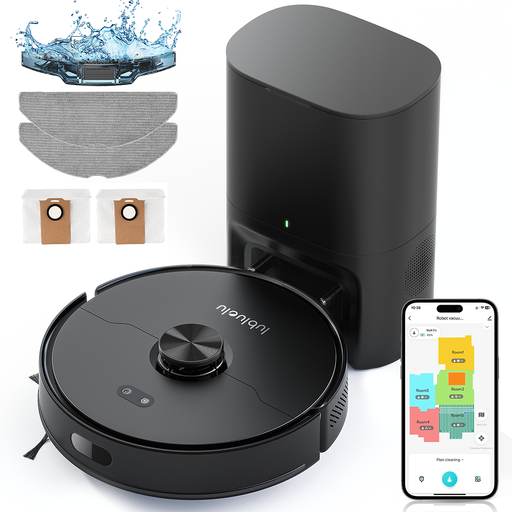
Why it suits this profile: This model combines vacuuming, mopping, laser mapping and app control, without an extensive wash-and-dry station. It’s a good fit for households that want automated cleaning but are happy to handle everyday maintenance themselves.
The product specifications list 4,000 Pa, laser navigation, five saved maps and adjustable zones. That means you’re not relying on a high suction power claim alone.
App control, five map levels, automatic resuming and a stated noise level of 55 dB.
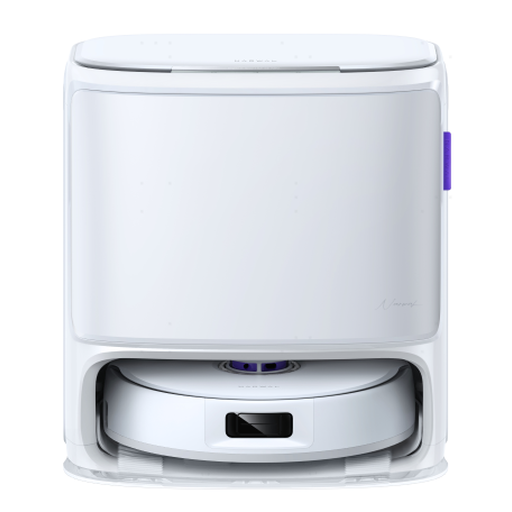
Why it suits this profile: This model is designed to minimise hands-on work for both vacuuming and mopping. It’s particularly appealing for larger households with hard floors and recurring pet hair.
The stated 15,000 Pa is paired with an anti-tangle brush, mop lifting up to 12 mm and a station that washes and dries the mop. So there’s more to consider than the Pa figure alone.
5 litres of clean water, 4.75 litres of dirty water, LDS navigation, and automatic mop washing and drying.
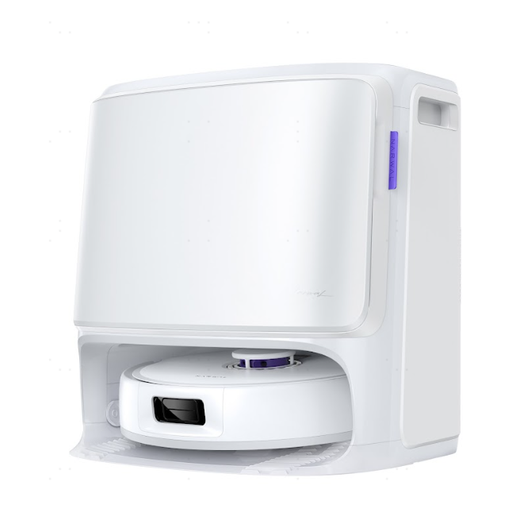
Why it suits this profile: Families with pets and different floor types can benefit from the combination of anti-tangle brushes, carpet detection and multiple cleaning modes.
The product specifications list four carpet modes, automatic mop lifting and a dual anti-tangle brush. According to the product description, the station is designed to empty the dustbin, wash the mop and dry it.
11,000 Pa suction power according to the manufacturer, a 2.5-litre dust bag and a stated run time of 220 minutes.
We’ve put together a full, up-to-date list of products that meet these strict selection criteria and the applicable European safety regulations.
That depends on whether it has carpet detection and mop lifting. Only use it on carpets if the model lifts the mop automatically, or set a no-mop zone. A damp mop may not be suitable for some types of carpet.
You’ll usually need to check the dust bag, filters, brushes and mop components. A washing station also has clean and dirty water tanks to look after. How often maintenance is needed depends on usage, floor area and the amount of pet hair.
As well as the purchase price, you may need to pay for dust bags, filters, brushes, mop pads and cleaning solution. Also check the Wi-Fi requirements and replacement parts. A model with a larger station may mean you don’t have to empty it every day, but it often has more parts to maintain.
