
Vandaag of morgen in huis

Kwaliteit gegarandeerd

Welkomstaanbiedingen ontgrendelen: GRATIS bezorging | Tot 80% korting | Gratis 30 dagen JoyPlus-proefperiode
Download de app
A robot that both vacuums and mops sounds like the perfect solution for a busy household. No more hassle with the vacuum cleaner and mop, just an always-clean floor. However, the market is flooded with models that promise the world. High suction power, smart navigation, self-cleaning... but what do these terms mean in practice?
As a Joybuy Product Recommendation Officer, I'll help you see through the marketing jargon. We'll focus on the specifications that truly matter, so you can choose a model that fits your home and lifestyle without wasting money on unnecessary features.
Before we get to the recommendations, it's important to recognise the most common pitfalls. Many models look good on paper but fall short in practice.
Manufacturers love to advertise impressive Pascal (Pa) values. A high number seems better, but it doesn't tell the whole story. A robot with 10,000 Pa of suction but a poorly designed brush may pick up less dirt than a model with 5,000 Pa and an efficient, tangle-free brush. Effectiveness depends on the combination of suction power, brush design, and the system's seal. So, don't get fixated on the Pa value alone.
The cheapest models often use a gyroscope for navigation. This leads to a random cleaning pattern where the robot bumps into furniture and misses entire sections of the room. A truly smart vacuum with an app uses LiDAR (laser) or cameras (vSLAM). These technologies accurately map your home, plan an efficient route, and remember where obstacles are located.
Many basic models have a passive mopping function: a wet cloth dragged behind the robot. This often spreads dirt around more than it cleans. An effective vacuum and mop in one has an active system, such as rotating or vibrating mop pads that scrub the floor with pressure. This is the difference between wiping a stain and actually cleaning it.
To avoid the pitfalls, we'll focus on three core aspects that determine a robot vacuum's performance.
As mentioned, the navigation method is crucial.
A model with LiDAR or an advanced camera system is a prerequisite for a reliable, autonomous cleaning experience.
A robot vacuum with an emptying station takes a lot of work off your hands. After each cleaning session, the robot returns to the station, which automatically empties the dustbin into a larger dust bag. You only need to replace this bag every few weeks or months.
The most advanced models go a step further. A self-cleaning robot vacuum can also wash the mop pads with clean water, collect the dirty water, and then dry the pads with hot air to prevent mould and odours. This is the ultimate form of convenience.
For households with pets, a good brush is indispensable. Look for models with an anti-tangle brush, often made of rubber, which prevents hair from getting stuck. This is one of the most important features for a good robot vacuum for pet hair.
For the mopping function, an active system is the standard for a good result. Rotating mop pads (like on the NARWAL Freo Z10) or a vibrating mopping plate (as on some Roborock models) actively scrub the floor and remove stains much more effectively than a static, wet cloth.
Based on the criteria above, we have selected a few models that suit different needs and budgets.
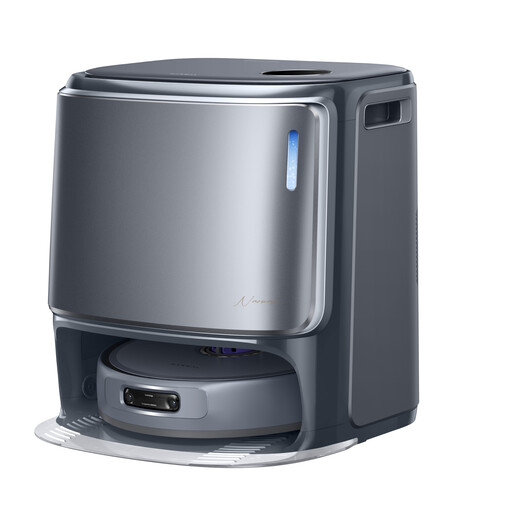
Why it's a match: This model is designed with pets in mind. The advanced AI cameras not only recognise and avoid furniture but also pet "accidents." The high suction power and tangle-free brush effectively tackle pet hair.
The dual RGB cameras with AI chips provide superior object recognition, avoiding the "dumb navigation" pitfall. The rotating mops with downward pressure are far more effective than a simple wet cloth.
The base station washes the mops with hot water and dries them, which is more hygienic. The special 'Pet Mode' and the ability to view live video offer extra peace of mind.
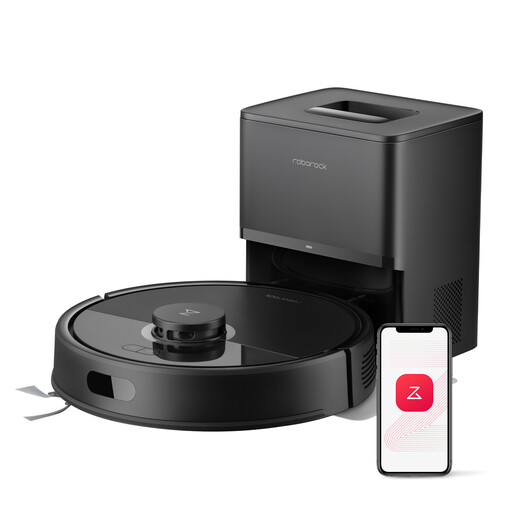
Why it's a match: This model is for those seeking a reliable, complete solution without paying a premium. This model offers an excellent balance of vacuuming, mopping, and the convenience of an auto-empty station.
The LiDAR navigation is a huge upgrade over cheaper gyroscope models and ensures systematic cleaning. The auto-empty station addresses a major maintenance point, making the device truly more autonomous.
A solid all-rounder that performs the most important functions well. The combination of LiDAR navigation and a self-emptying station in this price range is a strong point.
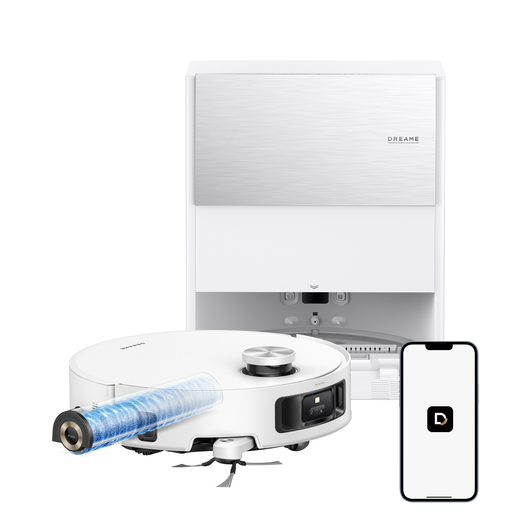
Why it's a match: This model is for those looking for the latest technology and maximum convenience. This model combines extremely high suction power with a unique mopping system that uses a roller and hot water.
The combination of 30,000 Pa suction power and an effective anti-tangle brush makes the "high Pa myth" a reality here. The self-cleaning mop system with hot water is far beyond a "simple wet cloth" and delivers a superior mopping result.
The hot water cleaning of the mop roller is a unique feature that helps dissolve stubborn stains and ensures a more hygienic clean. The very high suction power is ideal for deep cleaning carpets.
We have compiled a complete, up-to-date list of products that fully meet these strict selection criteria and safety regulations.
Yes, most modern models with an advanced mopping function have carpet detection. When the robot detects carpet, it automatically lifts the mop pads to prevent the carpet from getting wet. It then often increases the suction power for a deeper clean of the carpet. Always check if the model you are considering has this feature.
This depends on the size of your home, whether you have pets, and how often you run the robot. Generally, a dust bag in an emptying station can last 30 to 60 days before it needs to be replaced. The robot's app will usually notify you when it's time to change the bag.
LiDAR uses an invisible laser to create a 360-degree map of the room. This is highly accurate and works perfectly in the dark. Camera navigation (vSLAM) uses a camera to identify landmarks in your home, such as furniture and doorways. While this also works well, it requires sufficient light. The latest models often combine cameras with AI to recognise objects, which can be an advantage in a cluttered home. Both systems are a significant improvement over older gyroscope navigation.
