
Vandaag of morgen in huis

Kwaliteit gegarandeerd

Welkomstaanbiedingen ontgrendelen: GRATIS bezorging | Tot 80% korting | Gratis 30 dagen JoyPlus-proefperiode
Download de app
A robot vacuum that can also mop sounds like a dream come true for any busy household. No more fussing with vacuums and mops; just put your feet up while the robot does the work. But the reality is sometimes different. Many models overpromise and underdeliver, leaving you with an expensive gadget that causes more frustration than convenience.
As a Product Recommendation Officer at Joybuy, I see daily which specifications truly matter and which are mostly marketing fluff. Before you invest in an automated cleaning assistant, it's crucial to recognise three common pitfalls that often lead to a disappointing purchase.
To avoid these pitfalls, it's wise to look beyond the marketing claims. Focus on the technical specifications that determine how a robot vacuum and mop in one actually performs in a real-world home.
The way a robot maps your home and avoids obstacles is crucial for an efficient cleaning session.
Good navigation is the foundation of any automatic vacuum cleaner. Without it, the device will never be able to clean independently and thoroughly.
An effective mopping function requires more than just a damp cloth. Look for the following features:
A self-cleaning robot vacuum is only truly self-cleaning if the base station takes over the main maintenance tasks. Check the station's specifications:
Based on these core specifications, we have selected a few models that suit different needs and households.
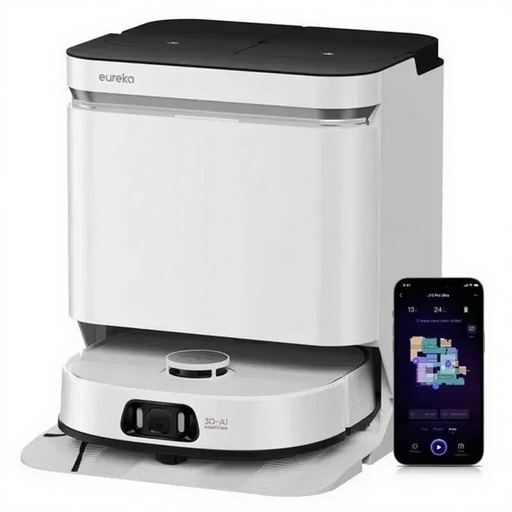
Why This Fits Their Persona: For households with pets, powerful suction and a brush that doesn't constantly get tangled with hair are essential. This model combines that with a fully automated station, which saves precious time.
According to Eureka, the FlexiRazor technology is designed to actively cut hair, tackling the pitfall of a constantly clogged brush. The station washes the mops with 75°C hot water, going beyond a simple wet cloth.
16,200 Pa suction power for deep carpet cleaning. Flex-arm design for better cleaning along edges and in corners.
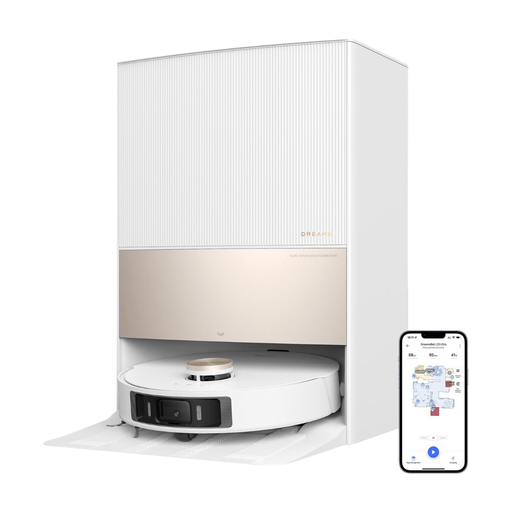
Why This Fits Their Persona: For those seeking the latest innovations and a true 'set-and-forget' experience. This model is packed with smart technology aimed at maximum convenience and the most thorough clean possible.
The MopExtend technology tackles the problem of uncleaned edges by automatically extending the mop. The combination of AI and 3D light sensors provides advanced obstacle avoidance, sidestepping the 'dumb' robot pitfall.
MopExtend technology for deep edge cleaning. Fully automatic base station that washes and dries mops, refills water, and empties the dustbin.
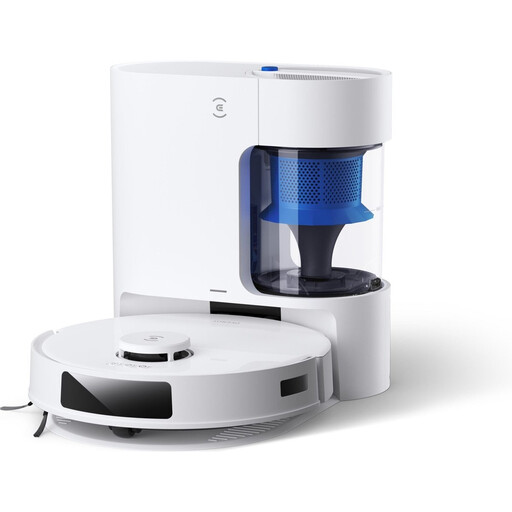
Why This Fits Their Persona: For those who want a reliable vacuum and mop combination with the convenience of an auto-empty station, without paying for the very latest, most advanced features. A solid choice for daily maintenance.
With TrueMapping 2.0 navigation, this model avoids the pitfall of aimlessly bumping around. The automatic emptying station offers real convenience by emptying the dustbin for you, bypassing the pitfall of daily maintenance.
Good balance between price and performance. 8,000 Pa suction power and an automatic dust-emptying station. Long runtime of up to 300 minutes.
We've compiled a complete, up-to-date list of products that meet these selection criteria.
Although they are called "self-cleaning," periodic maintenance is still required. Expect to empty and refill the clean and dirty water tanks of the base station every 1–2 weeks. The dust bag in the station needs to be replaced every 2 to 3 months, depending on the model and the amount of dirt. It's also advisable to clean the robot's sensors and brushes monthly for optimal performance.
Yes, modern models are well-equipped for this. Most are safe for sealed hardwood floors, laminate, and tiles. The key feature is automatic carpet detection. As soon as the robot approaches a carpet, it lifts its mop pads and switches to vacuuming only. You can also set up "no-mop zones" in the app to ensure certain delicate rugs or carpets stay dry.
A high Pa number is a good indicator, but it doesn't tell the whole story. The effectiveness of a robot vacuum for pet hair and other debris also heavily depends on the design of the brush roll. A well-designed brush with anti-tangle technology can sometimes be more effective at a lower suction power than a model with a high Pa value and an inefficient brush that clogs quickly. Therefore, look at the combination of suction power and brush design.
