
Vandaag of morgen in huis

Kwaliteit gegarandeerd

Welkomstaanbiedingen ontgrendelen: GRATIS bezorging | Tot 80% korting | Gratis 30 dagen JoyPlus-proefperiode
Download de app
A robot vacuum that can also mop sounds like a dream come true for any busy household. No more vacuuming or mopping yourself. But in reality, things can be more challenging. Many models overpromise and underdeliver, leaving you with an expensive gadget that causes more frustration than convenience.
As a Joybuy Product Recommendation Officer, I sift through the market to help you make the right choice. Let's avoid the most common pitfalls, so you can invest in a device that truly makes your life easier.
The 3 pitfalls when buying a robot vacuum and mop combo:
To bypass these pitfalls, it's crucial to look beyond the marketing buzzwords. Focus on the specifications that truly matter.
The way a robot maps and navigates your home is critical for an efficient clean. A good robot mop with navigation saves time and prevents frustration.
Suction power, expressed in Pascals (Pa), indicates how powerfully the robot can pick up dirt and dust. For a robot vacuum for carpet and hard floors, a higher Pa value is important to pull dirt from deep within the fibres.
The combination of a vacuum and mop in one is where the real advantage lies. But the effectiveness varies enormously.
Not everyone needs the same model. Here are some popular choices, tailored to different households.
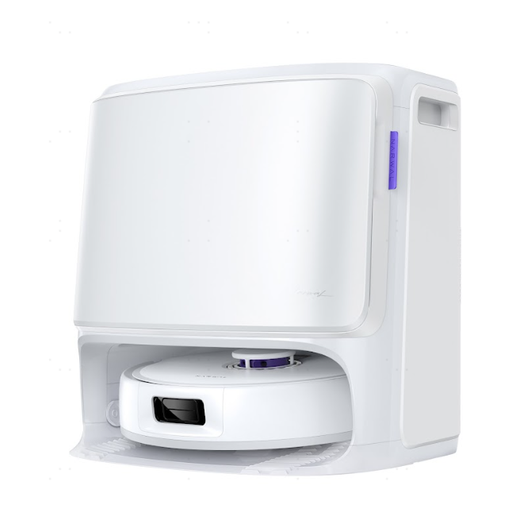
Why This Fits Their Persona: With a powerful 11,000 Pa suction power and special anti-tangle brushes, this model is designed to effortlessly tackle pet hair and other debris. The triangular mop is ideal for cleaning corners where hair and dust often accumulate.
The mopping function is more than just a wet cloth; the oscillating, triangular mop tackles corners and edges. The dual anti-tangle technology prevents the maintenance issue of hair getting stuck in the brushes.
The Edgereach triangular mopping system for superior corner cleaning and the effective anti-tangle brushes make this a solid choice for pet owners.
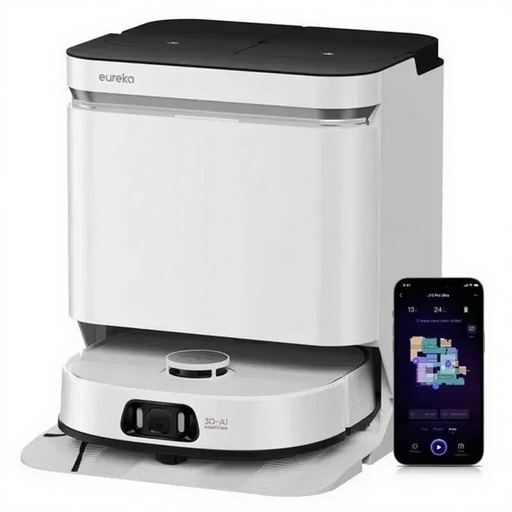
Why This Fits Their Persona: This model is fully automated with an 8-in-1 station that empties dust, refills water, and washes and dries the mops with hot water. Perfect for those who want minimal involvement with cleaning and seek maximum efficiency.
This is a truly self-cleaning station. According to the manufacturer, it washes the mops with 75°C hot water and dries them, which prevents mould and odours and minimises maintenance. The Flex-arm tackles the edges that standard robots miss.
Very high suction power (16,200 Pa) and an advanced station that cleans mops with hot water for a more hygienic result.
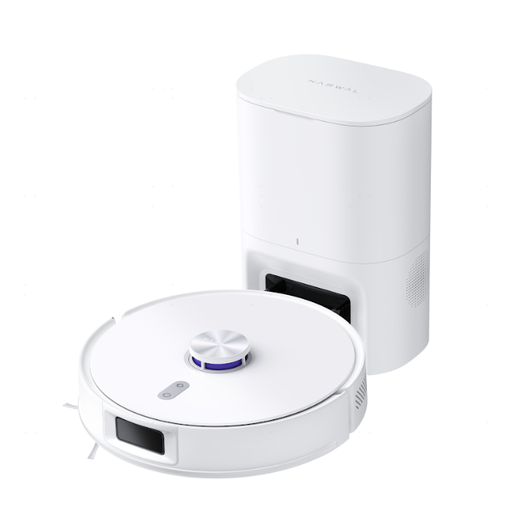
Why This Fits Their Persona: Offers the core features of a modern robot (LDS navigation, app control, mopping function) and a compact emptying station, without the premium price tag of the most advanced models. Ideal for apartments or as a first step into automated cleaning.
The LDS laser navigation ensures a systematic and reliable route, preventing the robot from wandering aimlessly or skipping spots. The emptying station automates emptying the dustbin, one of the most common manual tasks.
Solid 8,000 Pa suction power and a low-maintenance emptying station. According to the manufacturer, the dust bag only needs to be replaced twice a year.
We have compiled a complete, up-to-date list of products that fully meet these strict selection criteria and local safety regulations.
Although they are "self-cleaning," some maintenance is still required. Expect to replace the dust bag in the station every few months. You'll need to empty and refill the clean and dirty water tanks after each mopping session. Additionally, it's wise to check and clean the robot's sensors and brushes monthly to ensure optimal performance.
Yes, most modern models are well-equipped for this. They use sensors to detect carpet. As soon as the robot moves onto a carpet, it will automatically lift the mop pads and increase suction power. This prevents the carpet from getting wet and ensures it gets a deep clean. Always check the specifications to see if the model features "automatic mop-lifting" or "carpet detection."
For daily maintenance, a good robot vacuum can be a huge help and greatly reduce the need to vacuum yourself. However, for a thorough, periodic deep clean, or for places the robot can't reach (like stairs, furniture, or cars), a traditional stick or canister vacuum often remains useful. Consider the robot as the perfect assistant for a constantly clean home, and the regular vacuum for the specialised jobs.
