
Vandaag of morgen in huis

Kwaliteit gegarandeerd

Welkomstaanbiedingen ontgrendelen: GRATIS bezorging | Tot 80% korting | Gratis 30 dagen JoyPlus-proefperiode
Download de app
A robot vacuum that can also mop sounds like the perfect solution for a busy household. No more fussing with vacuums and mops on the weekend; the robot does the work. But the market is flooded with models that promise the world. Many buyers discover after a few months that their expensive purchase causes more frustration than convenience. Before you invest, it's important to know what to look for to avoid buyer's remorse.
Manufacturers often use impressive specs and marketing terms. Unfortunately, they don't tell the whole story. These are the most common pitfalls.
robot vacuum with an auto-empty station may seem maintenance-free, but that's not always the case. Stations with dust bags require the purchase of expensive, brand-specific bags. Bagless systems seem more economical but often require more frequent manual cleaning of filters to maintain suction power and prevent secondary pollution.To see through the marketing fluff, focus on the technical specifications that determine day-to-day performance.
The way a robot maps its environment is crucial.
smart robot vacuum almost always uses LiDAR. A spinning laser scans the room and creates a highly accurate map. This allows the robot to plan efficient, systematic routes, remember obstacles, and work flawlessly even in the dark. For a reliable result, LiDAR is the recommended technology.A robot vacuum and mop combo is only truly convenient if its maintenance is minimal.
robot vacuum for pet hair. You only need to empty the collection bin in the station once every few weeks or months.No one wants a robot that constantly makes noise. The noise level is expressed in decibels (dB).
quiet robot vacuum in this category can do its job just fine while you're home or working, without being disruptive.Based on objective specifications, we have selected a few models that suit different needs and budgets.
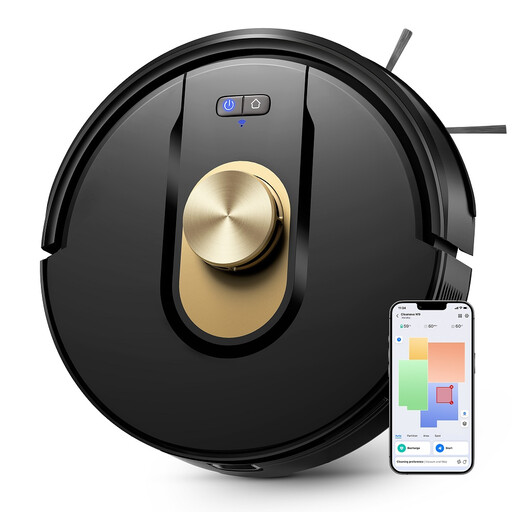
Why This Fits Their Persona: Ideal for those taking their first step into automated cleaning without a major investment. This model offers the essential features for efficient cleaning, like mopping and precise navigation, at an accessible price point.
This model focuses on the core essentials: it features LiDAR navigation for systematic cleaning, rather than boasting an extremely high Pa value or superfluous app functions. You pay for what you actually use.
The combination of 3-in-1 vacuuming, sweeping, and mopping with precise LiDAR mapping is rare in this price range. Its quiet mode of 50 dB makes it suitable for daytime use.
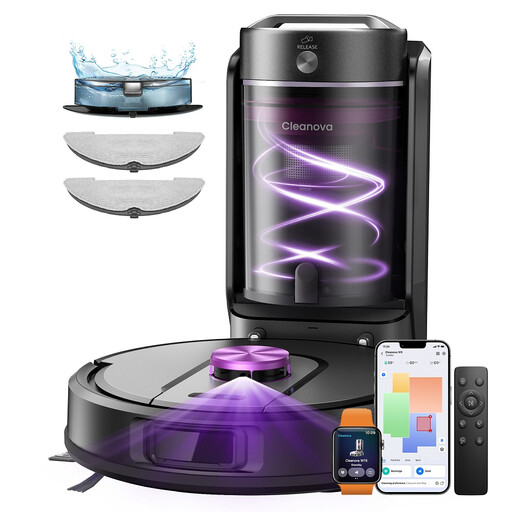
Why This Fits Their Persona: For households that need to tackle daily pet hair and crumbs. The self-emptying station and powerful suction ensure floors stay clean with minimal manual intervention.
This model tackles the pitfall of hidden maintenance. The bagless auto-empty station with multi-cyclone technology eliminates the recurring cost of dust bags. According to Vexilar, this saves a significant amount annually.
The combination of high 10,000 Pa suction power and a self-emptying station makes this a powerful solution for pet hair. The long 180-minute battery life is suitable for larger homes.
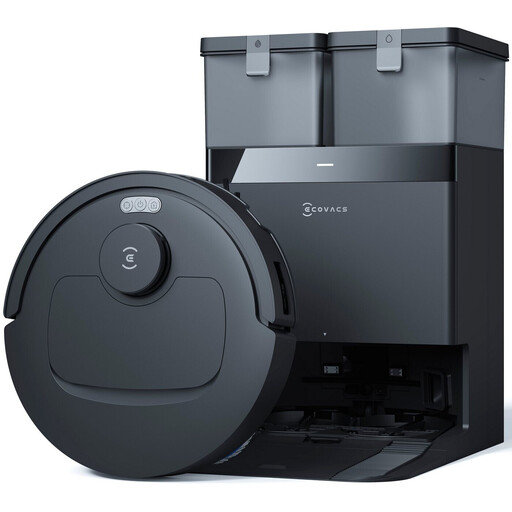
Why This Fits Their Persona: For those seeking a fully automated cleaning experience. This system handles almost all the work, from vacuuming and mopping to cleaning and drying the mops itself.
While many "smart" features are gimmicks, the OMNI station here offers tangible, time-saving benefits. Automatically washing the mop with hot water and then drying it is a practical innovation that improves hygiene.
Its fully automated maintenance is the biggest advantage. The 75°C hot-water mop cleaning and TruEdge 2.0 technology for edge cleaning deliver a more thorough result than many competitors.
We have compiled a complete, up-to-date list of products that meet these selection criteria and comply with current regulations.
Can a robot vacuum and mop combo go over carpets? Yes, most modern models have carpet detection. When the robot approaches a carpet, it will automatically lift its mopping module or pause mopping and use only the suction function. On some models, you can set "no-mop zones" in the app to prevent the carpet from getting wet.
How often do I need to refill the water tank and clean the mop? With a standard model without an advanced station, you usually need to fill the water tank before each cleaning session and manually wash the mop pad afterwards. With models featuring an OMNI station, like the ECOVACS T30C, this process is automated. You only need to empty and refill the clean and dirty water tanks in the station every few weeks.
What are the ongoing costs after purchasing a robot vacuum? The costs depend on the model. Factor in the replacement of wear-and-tear parts like brushes (main and side brushes) and HEPA filters, usually once every 6 to 12 months. If you have a model with an auto-empty station that uses dust bags, you also need to account for the cost of new bags. A robot vacuum deal can lower the initial cost, but always check the price of replacement parts.
