
Vandaag of morgen in huis

Kwaliteit gegarandeerd

Welkomstaanbiedingen ontgrendelen: GRATIS bezorging | Tot 80% korting | Gratis 30 dagen JoyPlus-proefperiode
Download de app
A floor that cleans itself. That's the promise of a robot vacuum with a mopping function. But in reality, buying one of these devices can lead to frustration. Many models overpromise and underdeliver, leaving you with an expensive gadget that creates more work than it saves.
As a Product Recommendation Officer at Joybuy, I see where things go wrong every day. Before you make a decision, it's wise to understand the most common pitfalls:
A smart purchase starts with seeing through these marketing claims and focusing on the specifications that truly matter.
To avoid buyer's remorse, it's better to focus on a few concrete, technical features. These determine whether a smart robot vacuum will actually make your life easier.
The way a robot maps and cleans your home is crucial. The two most common technologies are:
robot vacuum with navigation based on LiDAR works excellently in the dark and plans efficient, systematic cleaning routes. It's a reliable technology for complete coverage.A model without one of these systems will likely just roam randomly and is rarely a good investment.
Suction power is expressed in Pascals (Pa). While a higher number isn't everything, it does provide an indication. For households with carpets or pets, a suction power of 5,000 Pa or more is recommended to effectively remove deep-seated dirt and hair. Also, pay attention to the brush design. A robot vacuum for pet hair often features a rubber, tangle-free brush that prevents long hairs from getting wrapped around it, saving you a lot of maintenance.
A robot vacuum and mop in one is only truly effective if the mopping function does more than just drag a damp cloth around. Look for models with:
The ultimate convenience comes from a robot vacuum with an emptying station. The most advanced stations are fully self-cleaning robot vacuums: they not only empty the dustbin but also wash the mop pads with hot water, dry them with hot air, and refill the robot's water tank. This minimises maintenance to just once every few weeks.
Based on these objective criteria, we have selected a number of models that suit different needs and budgets.
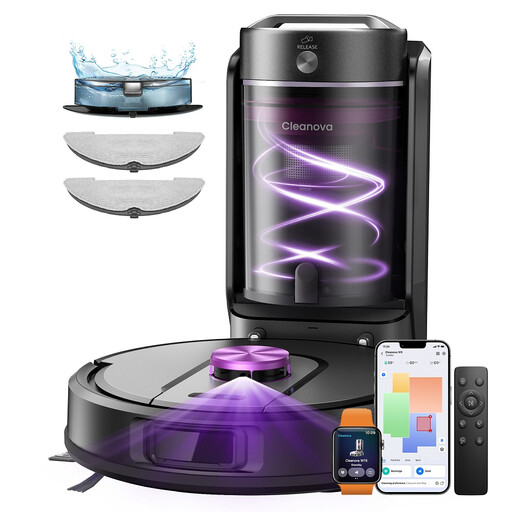
Why This Fits Their Persona: Ideal for anyone trying a robot vacuum and mop for the first time. This model offers advanced features without the premium price tag, perfect for apartments or smaller single-family homes with mostly hard floors.
With LiDAR navigation, it avoids the pitfall of aimless bumping. The bagless emptying station tackles the maintenance problem, allowing for up to 90 days of hands-free operation.
High suction power (10,000 Pa) for its price range and a long runtime of 180 minutes. The bagless station saves on the long-term cost of dust bags.
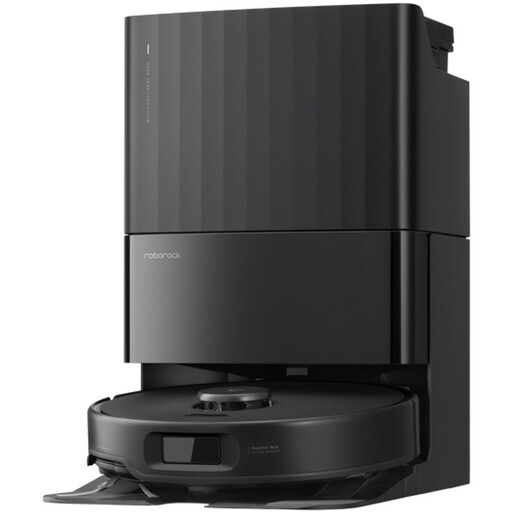
Why This Fits Their Persona: Designed for the chaos of family life. Powerful enough for pet hair and crumbs, and the station's automation gives you back precious time you don't have to spend on cleaning.
The dual, rotating mops actively scrub instead of just smearing. The station washes and dries the mops, helping you avoid the pitfall of a smelly, manually washed mop pad.
The mops are automatically lifted on carpets, allowing it to switch seamlessly between floor types. The anti-tangle brush is a godsend for picking up pet hair.
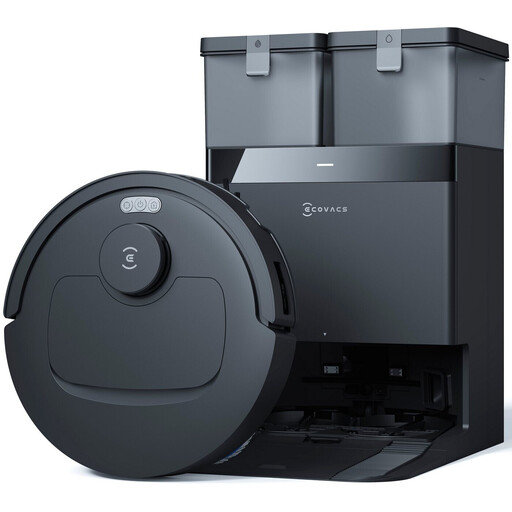
Why This Fits Their Persona: For those who want the latest and greatest and are willing to invest in maximum automation. This model from ECOVACS takes virtually all the work off your hands with its advanced, self-cleaning station.
This is the next level of self-cleaning robots. The OMNI station washes the mops with 75°C hot water for hygiene and dries them with hot air, eliminating all maintenance frustrations.
The TruEdge 2.0 technology ensures the mop and brushes extend to clean deep into corners and along baseboards. The immense suction power (25,000 Pa) tackles any mess.
We have compiled a complete, up-to-date list of products that fully meet these strict selection criteria and Dutch safety regulations.
Even a fully self-cleaning robot vacuum needs periodic maintenance, but significantly less. You'll need to empty and refill the station's clean and dirty water tanks about once every 1-2 months. The dust bag in the station, depending on the model and the amount of dirt, needs to be replaced every 60 to 90 days. It's also advisable to check the robot's brushes and sensors monthly for any trapped dirt or hair.
Yes, modern models are very suitable for wooden floors, provided you pay attention to a few things. Choose a robot that allows you to set the water flow to a low level via the app to prevent the floor from becoming too wet. Models with an automatic mop-lift are also a plus, as they don't drag the wet mop across the floor when returning to the charging station. Always use the cleaning solutions recommended by the manufacturer to avoid damaging the floor and the device.
Most modern robot vacuums can cross thresholds up to about 2 cm in height. This is typically sufficient for most standard thresholds in Dutch homes. When transitioning to a carpet, many smart robots automatically increase their suction power for a deeper clean. If you have a model with a mopping function, check if it has a mop-lift feature to prevent your carpet from getting wet.
