
Vandaag of morgen in huis

Kwaliteit gegarandeerd

Welkomstaanbiedingen ontgrendelen: GRATIS bezorging | Tot 80% korting | Gratis 30 dagen JoyPlus-proefperiode
Download de app
A robot vacuum that can also mop seems like the ideal solution for a busy household. It promises a clean home with minimal effort. However, the market is flooded with models that overpromise and underdeliver. Many devices end up as expensive gadgets collecting dust in a corner. As a Joybuy Product Recommendation Officer, I'm here to help you see through the marketing hype and choose a model that actually does the work for you.
Before you invest, it's important to recognise the common pitfalls.
robot vacuum and mop simply drag a damp cloth behind them. This spreads dirt around more than it cleans and leaves streaks behind. An effective mopping function requires rotating mops and downward pressure.pet hair.To avoid buyer's remorse, focus on the specifications that truly matter. These are the non-negotiable features for a self-emptying robot vacuum that is worth its price.
The robot's intelligence determines its effectiveness. Navigation technology is crucial here.
smart robot vacuum with object recognition, use AI to identify and avoid specific objects like shoes, cables, and toys. This is a must-have for busy families and pet owners.A good mopping function is more than just water. Look for the following technologies.
mopping robot with hot water ensures a more hygienic clean and prevents the growth of bacteria and unpleasant odours. The mops are then dried with hot air. This significantly minimises maintenance.Not everyone has the same needs. Below is a selection tailored to specific user profiles, based on objective product features.
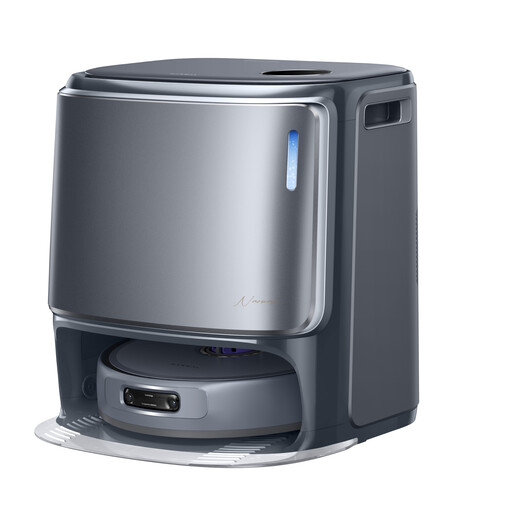
Why This Fits Their Persona: Ideal for homes with cats or dogs. The combination of advanced object recognition and a powerful, tangle-free brush is specifically designed to tackle the challenges pets present.
According to Narwal, it uses dual RGB cameras with AI chips to recognise over 200 objects, including pet "accidents," which it avoids by a wide margin. This prevents the nightmare scenario of spreading messes.
The tangle-free brush is certified to minimise hair accumulation. The 18,000 Pa suction power and the special 'Pet Mode' in the app make this a highly suitable robot vacuum for pet hair.
Why This Fits Their Persona: For those whose most precious asset is time. This system is designed for maximum automation, allowing you to go for weeks without thinking about maintenance.
This is not a simple "wet cloth" robot. The rotating mops with 8N of downward pressure genuinely scrub the floor. The base station washes the mops with hot water and dries them, avoiding the pitfall of a smelly, unhygienic mop.
The fully automated base station empties dust, and washes and dries the mops. According to the manufacturer, the dust bag has a capacity for up to 120 days, which reduces maintenance to a minimum.
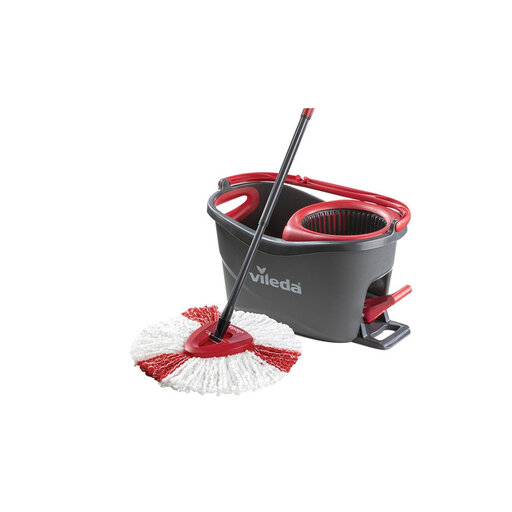
Why This Fits Their Persona: For those not yet ready for a fully automated system, or for anyone seeking a reliable manual tool for tough stains or areas a robot can't reach.
This system avoids the poor mopping function trap by giving you complete control. You determine the pressure, the amount of water, and the spots that need extra attention. No streaks, no missed corners.
The pedal mechanism in the bucket allows you to wring out the mop without bending over or getting your hands wet. The triangular mop head is designed to easily get into corners.
We have compiled a complete, up-to-date list of products that meet strict selection criteria and local regulations.
Here are some answers to questions that often come up when purchasing a robot vacuum and mop combo.
This depends on the size of the dust bag in the base station and how much dirt the robot collects. For an average household with pets, this can range from every 60 to 120 days. The water tanks for cleaning the mop (both clean and dirty water) need to be changed more frequently, usually after a few cleaning runs, depending on the tank size.
Yes, modern models are very well-suited for various floor types. For hardwood and laminate floors, it's important that the robot can properly regulate water output to prevent damage. A model with an automatic mop-lift function is ideal for homes with a mix of hard floors and carpet. The robot detects the carpet, stops mopping, and lifts the mops to continue vacuuming.
A mopping robot with hot water in its base station provides a significantly more hygienic result. According to various manufacturers, hot water (usually around 40-60°C or 104-140°F) helps to more effectively clean grease, bacteria, and stubborn dirt from the mop pads. This prevents the robot from "cleaning" the floor with a dirty mop and reduces the chance of unpleasant odours in the mops and the base station.
