
Vandaag of morgen in huis

Kwaliteit gegarandeerd

Welkomstaanbiedingen ontgrendelen: GRATIS bezorging | Tot 80% korting | Gratis 30 dagen JoyPlus-proefperiode
Download de app
A robot vacuum that can also mop sounds like a dream come true for any busy household. You imagine a spotless floor without having to lift a finger. The reality, however, is that not every model lives up to this promise. Many devices are equipped with features that look impressive on paper but disappoint in practice.
Before you make a choice, it's important to recognise the common pitfalls. This will prevent you from investing in a device that causes more frustration than convenience.
To find a model that actually performs, it's best to focus on a few key specifications. These determine whether a robot vacuum and mop will be an asset to your home.
The way a robot navigates through your home is perhaps the most critical factor. A robot vacuum with navigation based on Lidar (Laser Navigation) is the gold standard here.
Suction power, expressed in Pascals (Pa), indicates how powerful the motor is. For households with a robot vacuum for carpet or pets, a higher Pa value (around 4,000 Pa or more) is recommended to effectively remove deep-seated dirt and pet hair.
However, look beyond just the number. A well-designed main brush, often made of rubber or a combination of rubber and bristles, is crucial for preventing hair tangles and sweeping up dirt effectively.
A modern robot vacuum with a mopping function does more than just drag a wet cloth around. Look for the following features for a truly clean floor:
Based on these objective criteria, we have selected a number of models that suit different needs and home environments.
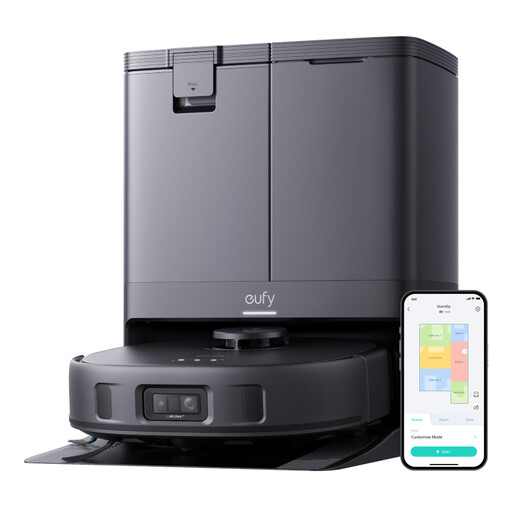
Why This Fits Their Persona: This model is designed for high-traffic households. The combination of high suction power and a fully automatic station makes it ideal for tackling daily pet hair, muddy paw prints, and other messes with minimal oversight.
The Omni Station automatically washes and dries the mop pads, solving the problem of a dirty, smearing mop. Its 8,000 Pa suction power is more than enough for pet hair.
Completely hands-free cleaning thanks to the all-in-one station. Smart navigation ensures efficient coverage, even in complex spaces.
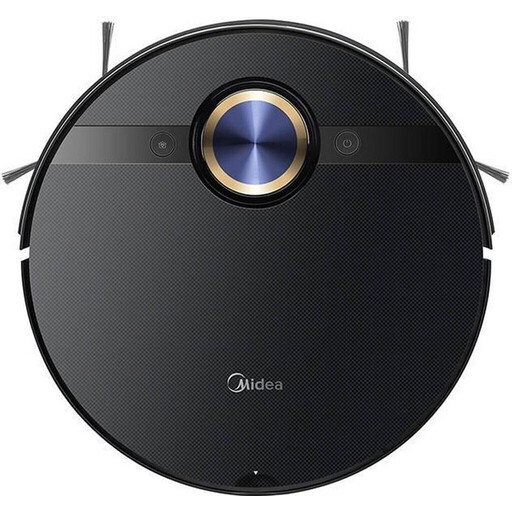
Why This Fits Their Persona: For those living in an apartment or a smaller home, a giant base station is often overkill. This model offers an excellent balance between powerful performance and a compact design. It's a workhorse that gets the job done without taking up much space.
This model focuses on the essentials: strong suction power (4,000 Pa) and precise LDS navigation. It avoids the complexity and cost of a fully automatic station, which is often unnecessary for smaller spaces.
Long runtime of up to 180 minutes and relatively quiet operation. The HEPA filtration is a plus for indoor air quality.
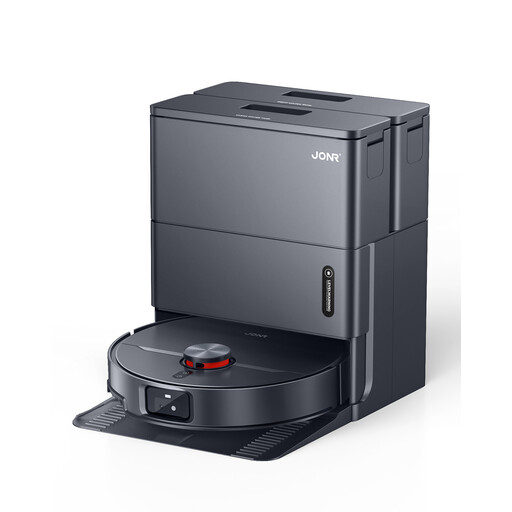
Why This Fits Their Persona: This model is for those seeking the latest innovations in cleaning technology. It goes beyond the standard, introducing features aimed at a more hygienic and thorough result, ideal for the user who wants the best of the best.
Tackles the 'smearing mop' pitfall head-on. According to the manufacturer, the station washes the mop pads with 75°C hot water, which helps to remove bacteria and stubborn dirt. The extendable arms are designed for better edge cleaning.
The combination of hot water washing and hot air drying for the mops is a clear plus for hygiene. AI-driven obstacle avoidance helps the robot navigate efficiently around furniture and loose items.
We have compiled a complete, up-to-date list of products that meet these strict selection criteria and comply with Dutch regulations.
Yes, many modern models can. Look for a robot with an automatic mop-lifting function. It detects carpet and lifts the wet mop pads, allowing the robot to switch to vacuum-only mode. The suction power is also often automatically increased for a deeper clean on the carpet.
This depends on the size of your home, whether you have pets, and how often you use the robot. Generally, a self-emptying station with a 2.5 to 3-litre dust bag can hold 30 to 60 days' worth of dirt. You will typically receive a notification via the app when the bag is full and needs to be replaced.
A robot vacuum lasts about 3 to 5 years on average, depending on use and maintenance. The battery is often the first component to wear out. Most lithium-ion batteries maintain their capacity for about 500 to 800 charging cycles. Regular maintenance, such as cleaning brushes and filters, can significantly extend the device's lifespan.
