
Vandaag of morgen in huis

Kwaliteit gegarandeerd

Welkomstaanbiedingen ontgrendelen: GRATIS bezorging | Tot 80% korting | Gratis 30 dagen JoyPlus-proefperiode
Download de app
A robot that both vacuums and mops sounds like the perfect solution for a busy household. No more wrestling with the vacuum cleaner and mop on the weekend. But the market is flooded with models that promise the world. Many people discover after their purchase that their new helper gets stuck more often than it cleans, or that the "mopping function" is nothing more than a wet cloth that just smears stains around. Before you invest, it's crucial to understand the common pitfalls.
Pitfall 1: The Suction Power Myth Brands love to advertise high Pa (Pascal) values for suction power. A high number looks impressive, but it's useless without smart navigation. A robot that aimlessly bounces around and misses half the room gains nothing from 10,000 Pa.
Pitfall 2: The "Mop" That Doesn't Mop Many budget-friendly models have a passive mopping function. This means they simply drag a wet cloth behind them. This is fine for light dust, but it won't remove dried-on stains or sticky residue. It can even leave your floors looking streaky. A true vacuum and mop robot needs active mopping technology.
Pitfall 3: The Hidden Maintenance A robot vacuum with an auto-empty station sounds completely automated, but the reality is often different. Hair tangled in the brush, clogged filters, and mop pads that need to be manually washed after every run still create weekly chores.
To ensure you choose a model that genuinely saves you time, there are a few technical specifications that make all the difference.
The navigation technology determines how efficiently the robot cleans your home.
For a truly clean floor, an active mopping function is essential. Look for systems that do more than just drag a wet cloth.
An automatic mop and vacuum is only truly automatic if the maintenance is minimal.
Based on these criteria, we've selected a few models that suit different needs and budgets.
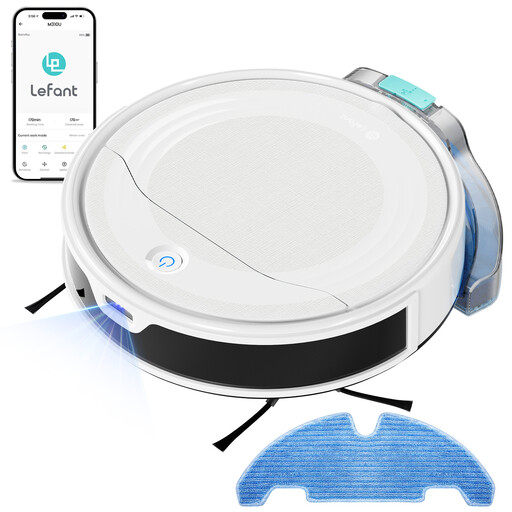
Why This Fits Their Persona: Ideal for apartments or mid-sized homes. You want a reliable and smart robot that gets the job done well, without the premium price tag of an all-in-one station. Its compact design easily gets under furniture.
This model combines a strong 6000 Pa suction power with ToF laser navigation. It doesn't just drive around aimlessly; it cleans systematically, avoiding the "high suction, no brain" pitfall.
Its compact size (28 cm diameter, 7.9 cm height) allows it to get under low sofas and cabinets where larger robots get stuck.
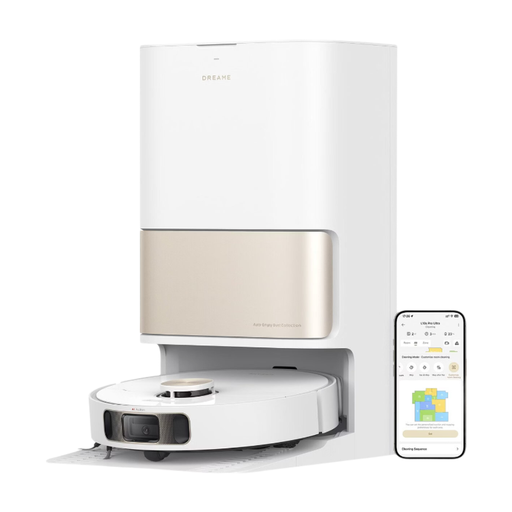
Why This Fits Their Persona: For busy families, especially those with pets or large areas of hard flooring. You want a "set-it-and-forget-it" solution with minimal daily intervention.
This is more than just a wet cloth. According to Dreame, its MopExtend technology and automatic washing and drying station tackle the "fake mop" problem head-on. It truly automates both vacuuming and mopping.
The station not only empties the dustbin but also cleans and dries the mops. This significantly reduces manual maintenance and prevents musty odours.
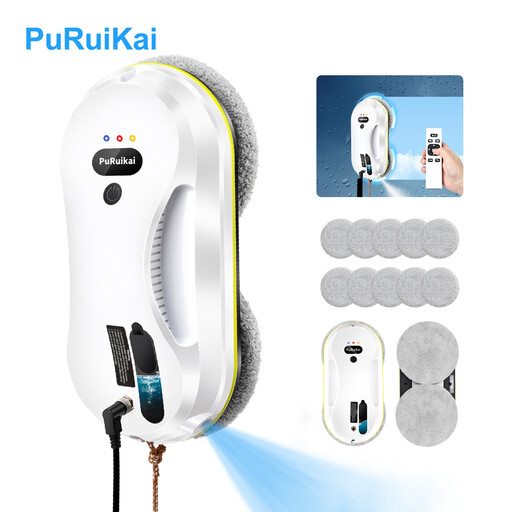
Why This Fits Their Persona: For anyone with large or hard-to-reach windows who is tired of the dangerous and tedious chore of window washing. A perfect complement to a robot vacuum.
This isn't a floor cleaner, but a specialised window cleaning robot that solves another major cleaning headache. It shows that cleaning robots can do more than just vacuum.
The automatic water spray and smart route planning ensure a streak-free clean on vertical surfaces. Safety features like a backup battery and safety tether are included.
We have compiled a complete, up-to-date list of products that meet these strict selection criteria and comply with local regulations.
A robot vacuum typically lasts 3 to 5 years, depending on use and maintenance. The battery is often the first component to lose capacity, usually after 2 to 3 years. Regularly cleaning the brushes, filters, and sensors is essential to extend its lifespan.
Yes, but look for specific features. For a robot vacuum for carpet, choose a model with high suction power (at least 4000 Pa) and carpet detection, which automatically increases suction. For a robot vacuum for pet hair, an anti-tangle rubber brush is indispensable to prevent the brush from constantly getting jammed.
A quiet robot vacuum typically produces between 50 and 65 decibels (dB). This is comparable to a quiet conversation or a modern refrigerator. Models with a special "quiet mode" are ideal for running at night or while working from home. Always check the dB rating in the product specifications.
