
Vandaag of morgen in huis

Kwaliteit gegarandeerd

Welkomstaanbiedingen ontgrendelen: GRATIS bezorging | Tot 80% korting | Gratis 30 dagen JoyPlus-proefperiode
Download de app
A robot vacuum that not only vacuums but also mops and then cleans itself at a self-empty station. It sounds like the ultimate solution for a busy household. However, the search often leads to frustration. The market is flooded with models that promise the world, but in practice, the same problems frequently arise.
Before you invest in an advanced model, it's wise to understand the common pitfalls. Many buyers fall for marketing claims that hold little value in practice.
To find a model that lives up to its promises, focus on a few key specifications. These will determine whether the robot is an asset or a source of frustration.
For a truly clean floor, an active mopping method is essential. Look for models with a robot vacuum with rotating mops. These mimic a scrubbing motion and remove stains more effectively than a static cloth. An added benefit is automatic mop cleaning at the base station. Some stations even wash the mops with hot water and dry them with hot air to prevent mould and odours. Do you have both carpets and hard floors? Then a model that can automatically lift its mops is indispensable.
A good smart vacuum with an app uses LiDAR navigation to efficiently map your home and clean systematically. This is superior to older systems that move around randomly. For a truly "hands-free" experience, AI-driven obstacle avoidance is crucial. These systems use cameras to recognise and avoid small objects like shoes, toys, and even pet accidents, preventing the robot from getting stuck or making a mess.
The convenience of a robot vacuum is defined by its level of automation. A fully-featured station not only empties the dustbin but also washes and dries the mops and refills the robot's water tank. Also, pay attention to the maximum threshold height. A standard robot will stop at thresholds of 1.5 to 2 cm. If you have higher thresholds, a robot vacuum for high thresholds with an advanced chassis is necessary.
Based on objective specifications, we have selected several models that cater to specific household needs.
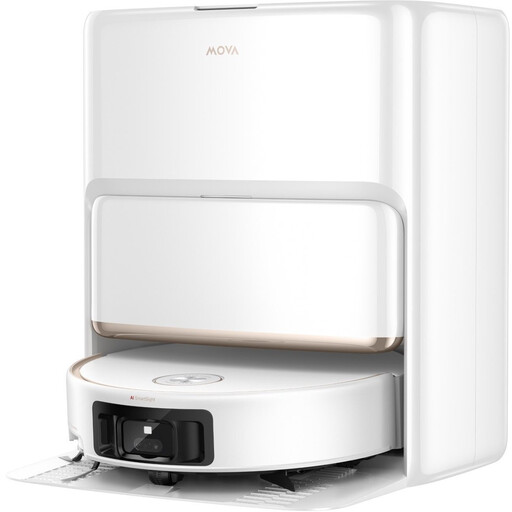
Why This Fits Their Persona: Ideal for homes with challenging layouts. This model is designed for houses with high thresholds, multiple floor types, and a desire for the most advanced, fully automated cleaning experience.
The StepMaster 2.0 system tackles thresholds up to 8 cm, a common obstacle. The HydroForce rotating mop actively cleans, and the OMNI station is fully self-cleaning, including washing and drying.
Unique threshold capability: According to the manufacturer, it can cross up to 8 cm. AutoShield: Protects carpets by lifting the mop 14 mm. MaxiReach: An extendable roller for superior edge cleaning.
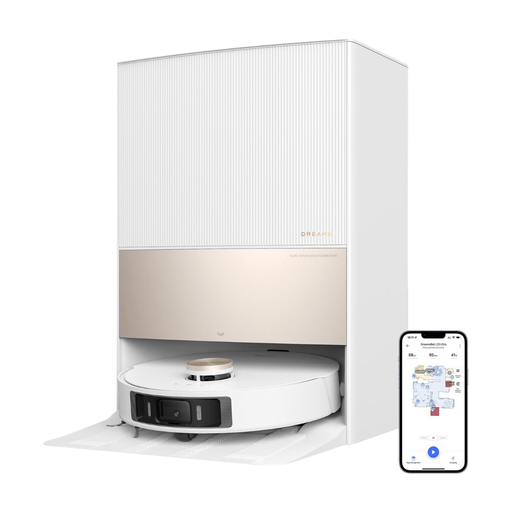
Why This Fits Their Persona: For households where pet hair and clean edges are a priority. This user wants maximum cleaning performance with minimal effort, especially along baseboards and in corners.
The rubber brush is designed to prevent hair tangles. The MopExtend technology extends the mop to reach edges, an area that basic models miss. The station is fully automatic.
MopExtend Technology: Cleans deep along edges and in corners. 7000 Pa Suction Power: According to the manufacturer, it's powerful enough for deep-seated dirt and pet hair. AI + 3D Light: Recognises up to 55 types of objects to prevent getting stuck.
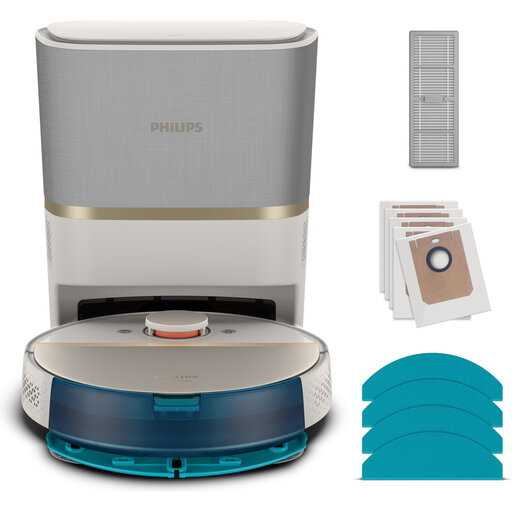
Why This Fits Their Persona: For those seeking a reliable appliance from a reputable brand that not only performs well but also fits seamlessly into a modern interior. Functionality and aesthetics go hand in hand here.
This model combines a vibrating mop with an auto-empty station. Although the station doesn't wash the mop, it offers a solid balance between automation and a trusted brand name, without overly complex features.
Stylish Design: The white and gold finish is designed to complement furniture. 30 days without emptying: The DualWave auto-empty station automatically empties the robot. LiDAR Navigation: Ensures precise mapping and obstacle detection.
We have compiled a complete, up-to-date list of products that fully meet these strict selection criteria and safety regulations.
While these devices take a lot of work off your hands, they are not completely maintenance-free. Expect to empty and refill the station's water tanks and replace the dust bag every 4 to 8 weeks. It's also wise to check and clean the robot's sensors and brushes monthly to ensure optimal performance.
For daily maintenance and removing light dirt and stains, an advanced robot vacuum with rotating mops can be an excellent replacement. It keeps your floors at a consistently high level of cleanliness. However, for stubborn, caked-on, or sticky messes, you may still need to scrub manually from time to time.
This largely depends on the model. Standard robots struggle with thresholds higher than 2 cm. If you have higher thresholds, look specifically for a robot vacuum for high thresholds and check the maximum threshold height in the specifications. Dark or black floors used to be a problem for cliff sensors, but most modern models with LiDAR navigation no longer have this issue and can navigate reliably on almost all floor colours.
