
Vandaag of morgen in huis

Kwaliteit gegarandeerd

Welkomstaanbiedingen ontgrendelen: GRATIS bezorging | Tot 80% korting | Gratis 30 dagen JoyPlus-proefperiode
Download de app
A robot vacuum that can also mop sounds like a dream for any busy household. While you work, run errands, or relax, your floor is cleaned fully automatically. However, the market is flooded with models that promise the world. Many people fall for marketing hype and end up with a device that causes more frustration than convenience.
As a Joybuy Product Recommendation Officer, I'm here to help you cut through the hype. Before you purchase a robot vacuum with mopping function, it's important to know the common pitfalls that can unnecessarily drive up costs.
smart vacuum that bumps into furniture, skips rooms, or can't find its way back to its charging station is anything but smart. The technology used is the deciding factor here.To avoid buyer's remorse, it's crucial to look beyond the marketing slogans. Pay attention to the following technical specifications that truly determine the performance of an automatic vacuum and mop.
The way a robot navigates your home determines its efficiency. There are roughly three systems:
robot vacuum with navigation. Using a spinning laser, the robot scans the room 360 degrees, creates a precise map, and works perfectly even in the dark. This leads to the most efficient and complete cleaning routes.A good mopping function is more than just a damp cloth.
A robot vacuum with self-empty station offers a lot of convenience, but "fully autonomous" is often too good to be true. Yes, the robot empties its own dustbin, but you still need to maintain the station. The most advanced stations go a step further: they wash the mop pads (sometimes with hot water), dry them with hot air to prevent mould, and refill the robot's water tank. This is the true convenience you're looking for.
Based on objective specifications that avoid the pitfalls mentioned above, we have selected a few popular choices for different user profiles.
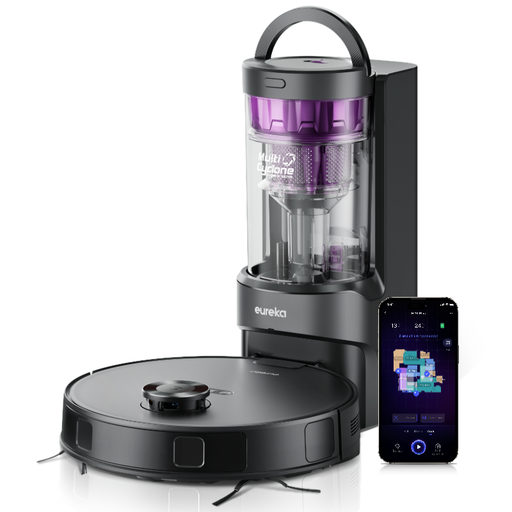
Why This Fits Their Persona: Ideal for those who want to experience the benefits of an automated cleaning assistant without a major investment. This model offers a complete set of features at a very accessible price.
This model bypasses the navigation pitfall with DuoDetect AI 3D and LiDAR, ensuring efficient routes. The mopping function can lift the mop 10 mm, keeping carpets dry—a feature often missing in budget models.
The bagless self-empty station, with a 45-day capacity, saves on the annual cost of dust bags. Its 8000 Pa suction power is more than sufficient for hard floors and low-pile carpet.
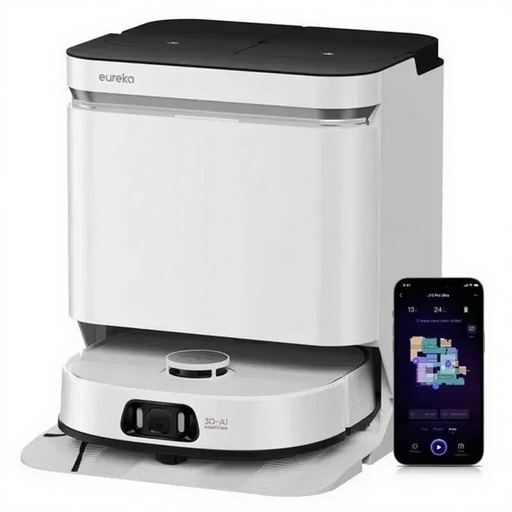
Why This Fits Their Persona: For households with dogs or cats, a `robot vacuum for pet hair` is a must. This model is specifically designed to win the constant battle against fur and dirt.
The FlexiRazor Anti-Hair Tangling Technology tackles the biggest problem for pet owners: hair getting tangled in the brush. According to the manufacturer, this technology actively cuts through hair, preventing clogs.
The combination of 16,200 Pa suction power and a station that cleans the mops with 75°C hot water ensures a hygienically clean floor. Furthermore, its extendable arms effectively clean along edges and in corners.
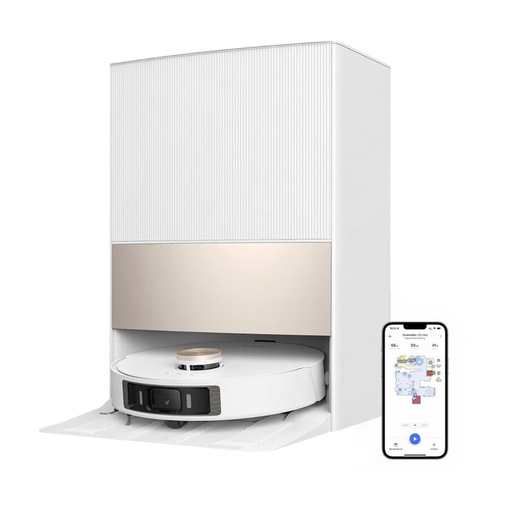
Why This Fits Their Persona: For those seeking ultimate convenience and willing to invest in a fully automated solution. This model takes virtually all the work off your hands, from cleaning to self-maintenance.
This model delivers on its marketing promises. The base station not only empties the dustbin but also washes and dries the mops with hot air, refills the water tank, and adds cleaning solution. Its AI and 3D light technology for object recognition prevents the robot from getting stuck on stray toys or shoes.
According to Dreame, this model provides up to 75 days of hands-free cleaning. The robot can automatically detach its mop pads at the base station to prevent carpets from getting wet, a unique and highly effective feature.
We have compiled a complete, up-to-date list of products that meet these strict selection criteria and safety regulations.
The lifespan of a robot vacuum depends on use and maintenance but is typically between 3 and 5 years. The battery is often the first component to wear out. Regular cleaning of brushes, filters, and sensors is essential to extend its lifespan and maintain performance.
Yes, but the amount of maintenance varies greatly by model. With a basic model, you'll need to empty the dustbin and wash the mop cloth yourself after each cleaning session. An advanced robot vacuum with self-empty station that also cleans and dries the mops significantly reduces daily maintenance. You'll only need to periodically fill/empty the water tanks and replace the station's dust bag.
Modern robot vacuums are increasingly capable of handling different floor types. For carpet, high suction power and a good brush (preferably rubber to reduce tangles) are important. Models with automatic carpet detection increase suction power on carpets and lift their mop pads. For a robot vacuum for pet hair, special anti-tangle brushes and a powerful motor are indispensable for a good result.
