
Vandaag of morgen in huis

Kwaliteit gegarandeerd

Welkomstaanbiedingen ontgrendelen: GRATIS bezorging | Tot 80% korting | Gratis 30 dagen JoyPlus-proefperiode
Download de app
A robot vacuum with a mop can make everyday floor cleaning easier. However, not every model offers the same balance of suction power, navigation and mopping performance. A cheap purchase may prove less convenient if the robot gets stuck on thresholds, hair tangles around the brush or you have to empty it by hand after every clean.
So don’t focus only on a big number on the box. Look at the overall design, maintenance costs and the layout of your floors at home.
A rating such as 4,000, 8,000 or 10,000 Pa indicates the motor’s stated suction power. On its own, this doesn’t tell you how well a robot will perform on your carpet. The brush, airflow, filter and automatic power adjustment all play a part too.
For example, a robot vacuum for pet owners may benefit more from a brush that resists tangling than from a higher Pa rating alone. Also check whether replacement filters and brushes are available separately.
Many models drag a damp mop across the floor. This is useful for dust marks and light stains, but it won’t replace manually tackling dried-on dirt. Check the water tank capacity, adjustable water flow and whether the mop can be washed or dried.
Have you got carpets? Choose a robot vacuum with a mop that automatically lifts the mop or can avoid carpets. Otherwise, a wet mop could dampen the carpet.
A robot vacuum with automatic emptying means you won’t need to empty the dust container every day, but filters, brushes, sensors and mops still need looking after. A station that uses dust bags comes with ongoing costs. A bagless station avoids the need for bags, but you’ll need to empty and clean its collection bin more often.
Also check the station’s dimensions. In a flat, the space needed in front of and beside the charging station may determine where you can put it.
LiDAR navigation uses a laser sensor to create a map of your home. This helps the robot follow systematic routes, clean individual rooms and set no-go zones in the app. Models with additional sensors can recognise cables, toys and furniture, but no system can make your floors completely obstacle-free.
So, pick up loose cables, small toys and fragile items before cleaning. Also check the maximum threshold height. For example, the ECOVACS DEEBOT N20 Plus lists a maximum threshold height of 2 cm; other models may differ.
For hard floors, a good edge brush and a suitable main brush are important. For carpets and pet hair, an anti-tangle brush, sufficient airflow and an easy-to-clean brush housing are useful. A HEPA filter can trap fine dust inside the appliance, but it’s important to clean it as instructed and replace it when needed.
Compare the following:
A water tank of 200–300 ml is compact and may be enough for a flat, but you’ll need to refill it more often when cleaning larger areas. A robot vacuum with a self-cleaning station can wash and dry the mop automatically. This saves you a few chores, but the station is larger and has extra water and maintenance components.
Only use water or a cleaning product approved in the instruction manual. Remove the used mop and let it dry if the manufacturer recommends this. The robot isn’t designed to vacuum up puddles or other liquids.
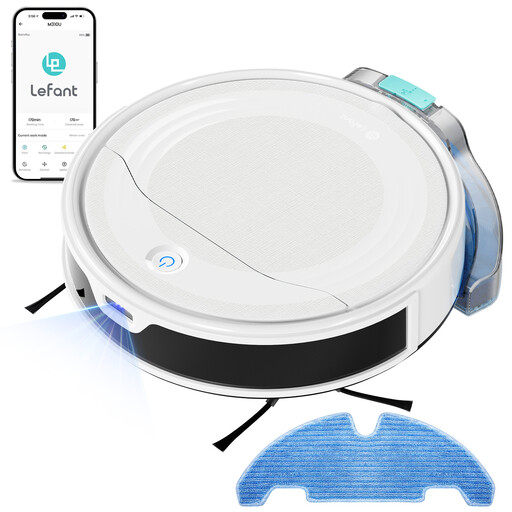
Why it suits this type of user: This model combines vacuuming and mopping in a compact design, with app control and stated suction power of 6,000 Pa. It’s a good fit for households with mainly hard floors and a modest amount of everyday dirt.
The water flow and mop can be maintained separately. The product details also list a 500 ml dust container, so you don’t have to rely solely on marketing claims about long intervals between maintenance.
6,000 Pa, around 170 minutes of runtime, HEPA filter, Wi-Fi and Bluetooth connectivity, and a 200 ml water tank.
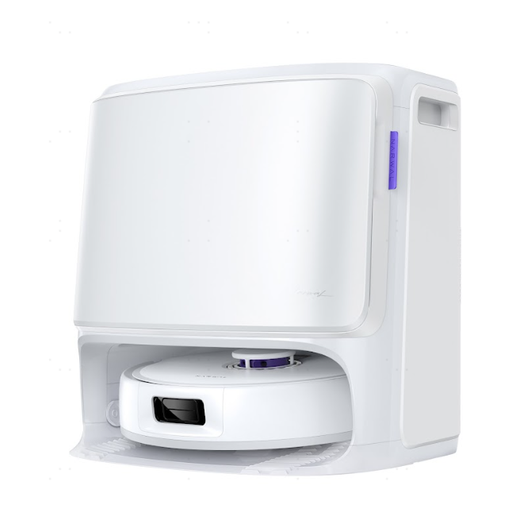
Why it suits this type of user: With laser navigation, carpet detection, automatic mop lifting and a station that washes and dries the mop and collects dust, this model is designed for people who want to keep manual tasks to a minimum.
The stated specifications include a 10 mm mop lift, LDS LiDAR, structured-light obstacle detection and a 2.5-litre dust bag. Do check that the station will fit in your cleaning cupboard.
Stated suction power of 11,000 Pa, automatic mop cleaning and drying, several carpet modes, and noise levels of up to 59 dB in vacuuming mode.
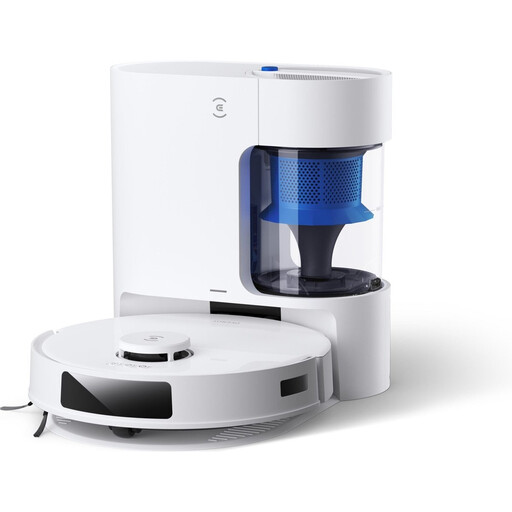
Why it suits this type of user: With a stated runtime of up to 300 minutes, 8,000 Pa suction power and control via the ECOVACS HOME app, this model is suited to larger homes with hard floors, carpets and regular cleaning routines.
The product details list a 0.4-litre bagless dust container. This avoids the cost of dust bags, but you’ll need to empty and clean the container yourself.
TrueMapping 2.0, four-stage air filtration, 0.22-litre water tank, automatic return to the station, and support for Google Assistant and Amazon Alexa.
We’ve put together a complete, up-to-date list of products that meet these strict selection criteria and the applicable European safety regulations.
Place the station on a level surface against a wall, leaving the clearance specified in the instruction manual. On the first run, create a complete map before setting up rooms or no-go zones. Then check that the robot can fit under your furniture and cross thresholds.
For safe use:
Figures for hair removal, cleaning performance or time saved may look favourable when based on a brand’s own research. Treat these as brand claims and compare them with verifiable specifications, warranty terms and the layout of your home.
Yes, if the model can detect carpets and automatically lift the mop or let you exclude carpets in the app. If it doesn’t have this feature, it’s safer to set it manually. Also check the permitted pile height.
You’ll need to empty the dust container or check the dust bag, clean the filters and brushes, and wash the mop. If you have pets, it makes sense to check it more often. A self-cleaning station reduces the work, but doesn’t eliminate the need for maintenance.
As well as electricity, you may need to pay for dust bags, filters, brushes, mops and, potentially, cleaning solution. So don’t just compare the purchase price: check the cost and availability of replacement parts, and the terms of the statutory guarantee.
