
Vandaag of morgen in huis

Kwaliteit gegarandeerd

Welkomstaanbiedingen ontgrendelen: GRATIS bezorging | Tot 80% korting | Gratis 30 dagen JoyPlus-proefperiode
Download de app
A robot vacuum with a mopping function can keep on top of everyday dust, crumbs and pet hair without you having to vacuum constantly. However, models vary considerably when it comes to navigation, mopping performance and maintenance. For example, a high suction power figure on the packaging doesn’t automatically mean a robot can handle carpets, pet hair or dried-on stains.
As a Joybuy Product Recommendation Officer, I filter product information for verifiable features. This makes it easier to see which model suits your home and which marketing claims you should treat with a little caution.
A figure such as 4,000, 12,000 or 20,000 Pa indicates the maximum suction pressure. Real-world performance also depends on the main brush, airflow, flooring and cleaning mode. So a powerful robot vacuum isn’t automatically right for every situation.
In a home with pets, an anti-tangle brush, an easy-to-access dustbin and regular automatic emptying are often just as important as the maximum Pa rating.
Many robot vacuums with a mopping function use a damp mop pad that moves across the floor behind the robot. This is handy for everyday upkeep, but it’s not the same as scrubbing by hand. Check whether the model simply dampens a pad or uses rotating pads, a roller or an automatic mop-washing function.
Pay attention to carpets, too. A model that automatically lifts its mop or detects carpets reduces the risk of a damp rug. However, check the product description to make sure this feature is available in the cleaning mode you want to use.
A robot vacuum with a mopping function and a self-cleaning dock can automate some of the emptying, washing and drying. However, filters, brushes, mop pads, water tanks and sensors still need checking. Hair can build up, and dirty water can cause odours if you don’t empty the tank promptly.
A dock takes some of the work off your hands, but it doesn’t eliminate maintenance.
A robot vacuum with LiDAR navigation uses lasers to map the room and can generally follow a more systematic route than a model that moves around randomly. Useful features include:
LiDAR doesn’t guarantee that every obstacle will be recognised. Loose cables, clothes, toys and low furniture can still cause problems. So clear the floor before asking the robot to create its first map.
For a robot vacuum for carpets and hard floors, practical features include automatic carpet detection, adjustable suction and a brush that helps prevent hair from getting tangled. A model with high suction power may be noisier on carpets and use more energy.
Also check the maximum threshold height. It’s around 2 cm for several models, according to their product information, but whether the robot can cross a threshold depends on its shape and width.
Check the capacity of the clean-water tank and dirty-water tank, and how the mop is cleaned. A robot vacuum with automatic emptying means fewer trips to empty the dustbin. A more advanced dock can also wash and dry the mop, top up the water and collect dirty water.
Only use clean water or a cleaning solution that the manufacturer recommends. Don’t use a robot to vacuum up puddles, flammable liquids or wet messes. Most models are designed for light damp mopping, not for picking up water.
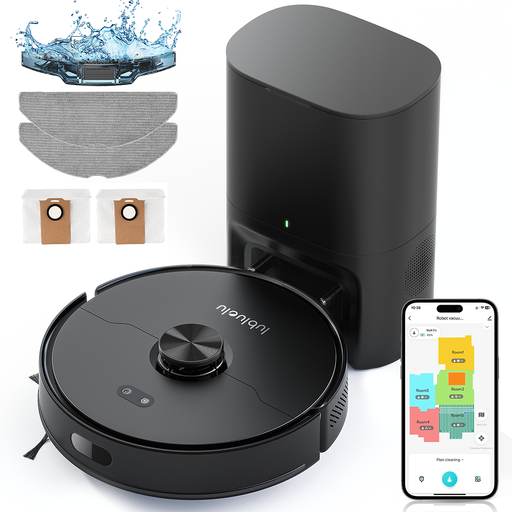
Why it suits this profile: A straightforward model for households that want to start vacuuming and mopping automatically without needing a more advanced all-in-one dock straight away.
The product information lists laser navigation, app control and storage for up to five maps. The mopping function is intended for light damp cleaning, so it’s clear that you shouldn’t expect intensive scrubbing.
Maximum suction power of 4,000 Pa, a stated noise level of 55 dB, and app settings for rooms, schedules and no-go zones.

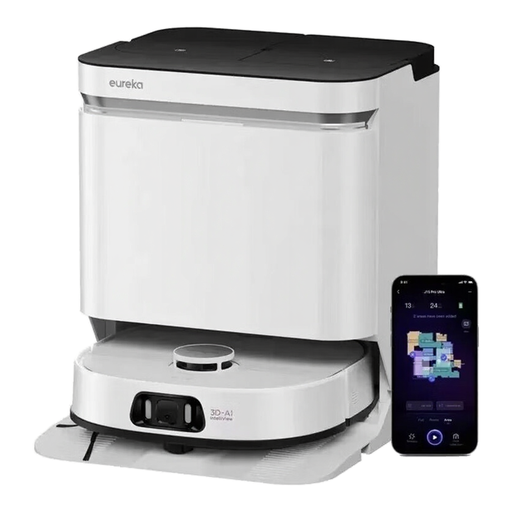
Why it suits this profile: A good fit if you want a more advanced dock, automated mop care and a range of floor-cleaning features.
According to the product description, the dock is designed to empty dust automatically, wash the mop with 75 °C water, dry it and top up the water. Check that the dock’s dimensions will work in your home before buying.
Stated maximum suction power of 20,000 Pa, dual rotating mops, TrueMapping 2.0 and an OMNI dock with self-cleaning.
Why it suits this profile: Worth considering for homes with pets and carpets, especially if you want a dock that automates several maintenance tasks.
The product description lists LiDAR, an RGB camera, automatic brush and mop lifting, and a dock with hot-water cleaning. The stated reduction in hair build-up is a brand claim based on the manufacturer’s own product information, not an independent guarantee.
Maximum suction power of 16,200 Pa, LDS navigation, a 3-litre dustbin and mop washing at 75 °C according to the product specifications.
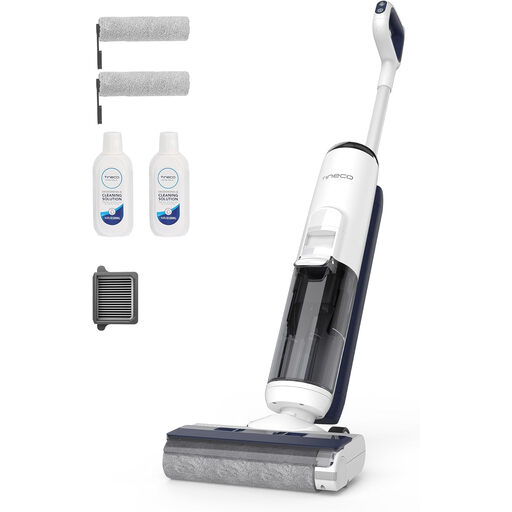
Why it suits this profile: An alternative if you want to clean hard floors wet and dry in one go, while choosing where and when to clean yourself.
This isn’t a robot vacuum, so you stay in control when tackling stubborn stains. The manufacturer lists it as suitable for hard floors such as tiles, laminate and sealed wood.
Cordless operation, automatic brush cleaning and a weight of 4.3 kg. The stated suitable surfaces are hard floors.
We’ve put together a complete, up-to-date list of products that meet these strict selection criteria and the applicable European safety regulations.
It depends on the model. If you have carpets, look for carpet detection and a mop that can lift automatically. A robot can keep on top of everyday dust and hair, but stubborn stains may still need to be cleaned by hand.
Empty a standard dustbin regularly and rinse the mop pad after use. Check the brushes and filters weekly if you have pets or run the robot every day. With an automatic emptying dock, you’ll still need to check the dust bag, water tanks and app notifications.
As well as the purchase price, factor in electricity, replacement filters, brushes and mop pads, and possibly dust bags or cleaning fluid. A larger dock can reduce the amount of daily work, but replacement parts and maintenance remain part of the overall running costs.
