Joybuy Insights

Robot Vacuum and Mop Buying Guide: 3 Costly Pitfalls to Avoid

A floor that cleans itself. It sounds like a dream, especially after a long day at work or in a home bustling with kids and pets. A robot vacuum with a mopping function promises just that: vacuuming and mopping in one, fully automated. But the market is flooded with models that promise the world. In reality, many of these promises fall short, turning your investment into a source of frustration rather than convenience.

As a Joybuy Product Recommendation Officer, I see where things go wrong every day. Before you make a choice, it's crucial to see through the marketing jargon. These are the three most common pitfalls consumers fall for.

  1. The "mopping function" is just a wet cloth. Many budget-friendly models simply drag a damp cloth behind them. This does more to spread dirt around than to clean it and is useless against dried-on stains. An effective mopping robot needs rotating or vibrating mops with downward pressure to actually scrub the floor.
  2. Fixating on high suction power (Pa). An impressive number like 12,000 Pa of suction sounds great, but it's meaningless if the brush fails to pick up hair and debris or if the navigation misses half the room. The final result is determined by the combination of brush design, navigation, and suction power.
  3. "Smart" navigation that constantly gets lost. A robot that gets stuck under the sofa, lost under the dining table, or repeatedly cleans the same spot is no help at all. A good navigation system (like LDS or dToF) is crucial for an efficient and thorough cleaning session.

What to Actually Look For: The Core Specs That Matter

To avoid buyer's remorse, it's better to focus on a few key technical specifications that determine real-world performance.

1. Navigation Technology: The Brain of the Robot

The navigation method determines how efficiently and thoroughly the robot cleans your home.

  • LDS (Laser Direct Structuring) & dToF (Direct Time-of-Flight): These are the most advanced systems. They use a laser to scan your home 360 degrees and create a precise map. This allows the smart vacuum to clean systematically, effectively avoid obstacles, and remember where it left off. Through the robot vacuum app, you can then set up no-go zones or have it clean specific rooms.
  • VSLAM (Visual Navigation): Uses a camera to map its surroundings. This generally works well but can struggle in dark rooms.
  • Gyroscope/Random: These systems navigate more haphazardly. They bump into walls and objects to change direction. This is less efficient, and there's a high chance that spots will be missed.

2. Level of Automation: The Base Station

Not all base stations are created equal. The level of automation determines how much work you still have to do yourself.

  • Charging Dock: The most basic option. The robot only returns here to recharge.
  • Robot Vacuum with Auto-Empty Station: A major step up. This station automatically empties the robot's dustbin into a larger dust bag. You often only need to replace the bag in the station once every few months.
  • Self-Cleaning Robot Vacuum (All-in-One Station): This is the most comprehensive solution. The station not only empties the dustbin but also washes the mops with clean water, dries them with hot air (to prevent mould and odours), and refills the robot's water tank. This offers the most hands-off, maintenance-free experience.

3. Cleaning Technology for Your Floors

A good 2-in-1 vacuum and mop adapts to your specific situation.

  • For Pet Owners: A robot vacuum for pet hair needs a brush with an anti-tangle design. Special rubber brushes are often more effective here than bristle brushes.
  • For Carpets: A model with carpet detection is a must. A good robot vacuum for carpet will automatically lift its mops and increase suction power as soon as it detects carpet. This prevents wet rugs and effectively removes deep-seated dirt.

Recommended Products to Consider

Based on these objective criteria, we have selected a few models that suit different households and needs.
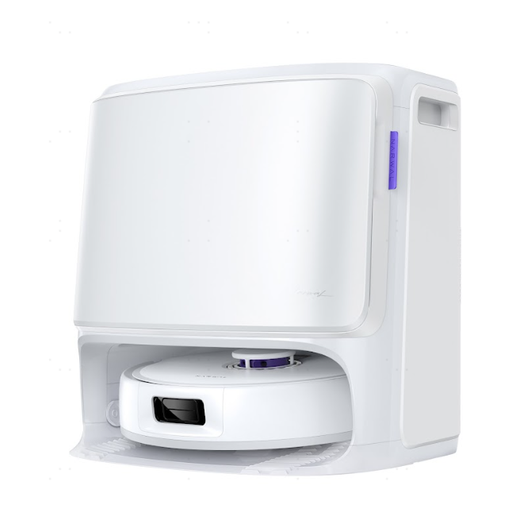
MATCH FOR: Busy Pet Owners
NARWAL Freo X10 Pro Robot Vacuum Cleaner

NARWAL Freo X10 Pro Robot Vacuum Cleaner

Why This Fits Their Persona: Ideal for households with pets due to its focus on preventing tangled hair and a fully automated station that minimises maintenance.

How It Avoids the Trap

The dual anti-tangle brush effectively tackles hair, allowing the high suction power of 11,000 Pa to be fully utilised. It's more than just a number.

Key Advantage & Pros

The fully autonomous station washes, dries, and empties the robot. Its triangular mop reaches corners better than standard round or rectangular mops.
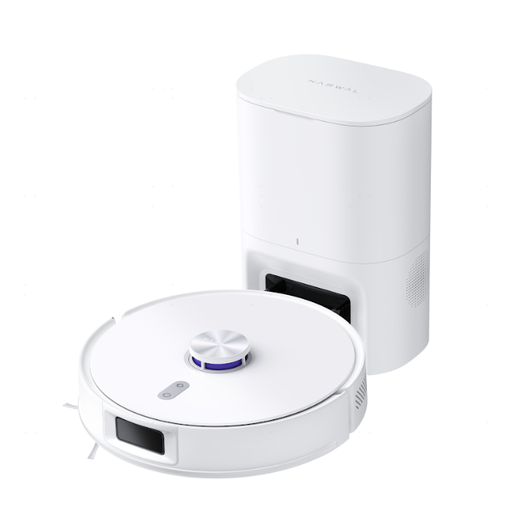
MATCH FOR: Efficiency Seekers with Mixed Floors
NARWAL Freo S Robot Vacuum Cleaner

NARWAL Freo S Robot Vacuum Cleaner

Why This Fits Their Persona: A solid all-rounder for those who want powerful cleaning performance on both hard floors and carpet, without the complexity of a full washing station.

How It Avoids the Trap

This is no simple wet cloth. The mopping function applies 8N of downward pressure, ensuring stains are actually scrubbed away instead of just smeared around.

Key Advantage & Pros

The LDS laser navigation ensures a systematic and efficient route. The auto-empty dust station significantly reduces daily maintenance.
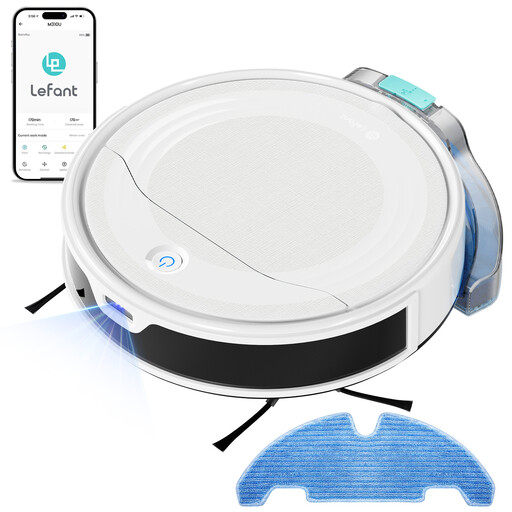
MATCH FOR: Beginners Seeking Convenience
Lefant M310 Ultra Robot Vacuum Cleaner

Lefant M310 Ultra Robot Vacuum Cleaner

Why This Fits Their Persona: Offers a full 2-in-1 cleaning experience with good navigation at a more accessible price point. Perfect for those looking to enter the world of robot vacuums without immediately opting for the most expensive model.

How It Avoids the Trap

Instead of an unreliable gyroscope system, this model uses ToF Laser Navigation. This prevents the frustration of a robot that constantly gets stuck or misses spots.

Key Advantage & Pros

The 6,000 Pa suction power is more than sufficient for hard floors and low-pile carpet. It combines vacuuming and mopping without the cost of an automatic empty station.

Looking for more options?

We have compiled a complete, up-to-date list of products that meet these strict selection criteria and local safety regulations.

Frequently Asked Questions

Can a robot vacuum cross thresholds and carpets?

Most modern robot vacuums can cross thresholds up to about 1.5 to 2 cm. This is typically sufficient for standard thresholds in most homes. For carpets, it's important to choose a model with carpet detection. These robots, like the models mentioned above, automatically lift their mop and/or increase suction power to deep clean the carpet without getting it wet.

How long does a robot vacuum and mop last?

The lifespan depends on usage and maintenance. On average, you can expect a lifespan of 3 to 5 years. The battery is often the first component to wear out. Regular maintenance, such as cleaning brushes, filters, and sensors, is essential to maximise performance and longevity. Replaceable parts like brushes, filters, and mop pads are generally easy to find.

What maintenance does a self-cleaning robot vacuum require?

A self-cleaning robot vacuum takes a lot of work off your hands, but it's not completely maintenance-free. Your to-do list does get a lot shorter:

  • Replace the dust bag: Approximately every 45-60 days, depending on the model and the amount of dirt.
  • Refill/empty water tanks: The clean and dirty water tanks in the station need to be periodically refilled and emptied.
  • Periodic check: It's wise to check the brushes for tangled hair once a month and wipe the sensors with a dry cloth.