
Vandaag of morgen in huis

Kwaliteit gegarandeerd

Welkomstaanbiedingen ontgrendelen: GRATIS bezorging | Tot 80% korting | Gratis 30 dagen JoyPlus-proefperiode
Download de app
A robot vacuum cleaner can reduce your daily cleaning chores, but not every model is right for every Dutch home. A flat with hard floors has different requirements from a house with carpets, thresholds and dog or cat hair. As a Joybuy Product Recommendation Officer, I therefore focus mainly on verifiable specifications and practical limitations, rather than marketing terms alone.
A figure such as 4000 Pa, 8000 Pa or 10,000 Pa sounds clear, but it does not tell you everything about cleaning performance. It is a suction-power rating specified by the manufacturer. The brush, airflow, filter, floor type and selected cleaning mode also affect the result.
For everyday dust on a hard floor, a lower stated power level may be sufficient. On carpets, and when dealing with crumbs and pet hair, a good main brush with an anti-tangle function is also important.
A robot vacuum cleaner with a mopping function generally spreads water across the floor with a cloth. This is suitable for light dirt and regular maintenance, but not always for dried-on stains or large amounts of spilt liquid. Do not use the robot to vacuum up puddles or liquids.
Also check whether the mop lifts automatically on carpets or whether you need to exclude carpeted areas in the app. Without this setting, a damp mop may be unsuitable for carpets.
A robot vacuum cleaner with an automatic emptying station reduces the need to empty the dust container every day, but it does not eliminate maintenance. Filters, brushes, sensors, mop cloths and dust bags still need to be cleaned or replaced.
Pay attention to the difference between a station with a dust bag and a bagless system. Greater capacity can be convenient, but also check the cost and availability of replacement parts.
A robot vacuum cleaner with laser navigation often uses LiDAR or LDS to map rooms. This allows the device to follow systematic routes and manage multiple rooms or floors, depending on the model. However, a map does not guarantee that every obstacle will be recognised.
Cables, socks, toys and curtain edges can still become caught. Clear the floor before the first cleaning cycle and use virtual walls or no-go zones in the app. Also check the robot’s height. A low model measuring 7.9 cm may fit under more furniture than a robot measuring around 10 cm.
For a robot vacuum cleaner for carpets and hard floors, these points are relevant:
According to the Roborock Q10 S5 product information, this model has 10,000 Pa HyperForce suction power, a dual anti-tangle system and automatic mop lifting. These are product specifications; suitability depends on your floor type and settings.
A robot vacuum cleaner with an app usually offers scheduling, room selection, suction settings and restricted zones. Before buying, check that the app works with your Wi-Fi network. According to the product information, the Narwal Freo S supports 2.4GHz Wi-Fi only, not 5GHz.
Also look at:
For electrical appliances, also check the CE marking, safety instructions, manufacturer details and information about the statutory guarantee. Use only the recommended accessories and cleaning products.
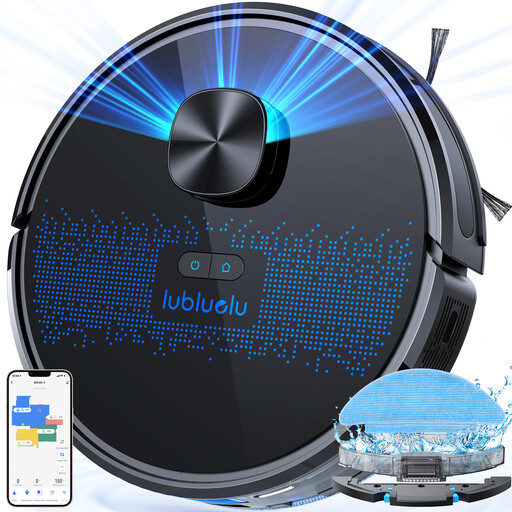
Why it suits this profile: This 2-in-1 model combines vacuuming with light damp mopping. Its stated 4000 Pa suction power, laser navigation and app control offer a straightforward starting point for households with hard floors, low-pile carpets and limited daily maintenance.
The product information lists separate settings for suction power, rooms, schedules and no-go zones. The mop can be removed when you only need to vacuum.
4000 Pa according to the product specification; laser mapping; app control; support for up to five floor maps.
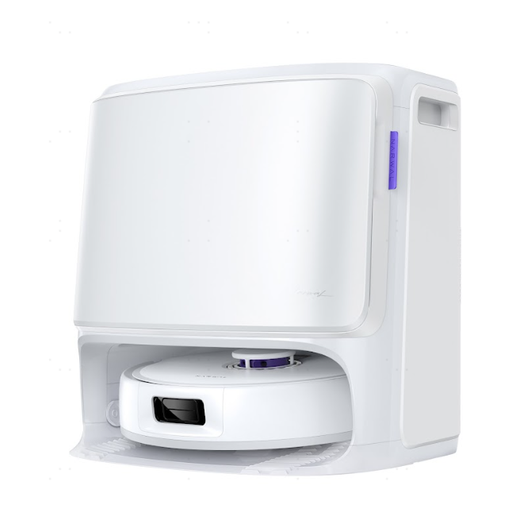
Why it suits this profile: This model is designed for households that want to combine vacuuming, mopping and maintenance as much as possible. Its station functions and laser navigation are particularly interesting for larger homes and multiple cleaning routines.
The stated specifications include carpet detection, mop lifting and multiple maps. This allows you to set up mopping more precisely, although you still need to check the app settings.
Stated suction power of 11,000 Pa; 2.5-litre dust bag; self-cleaning and drying station functions according to the product description.
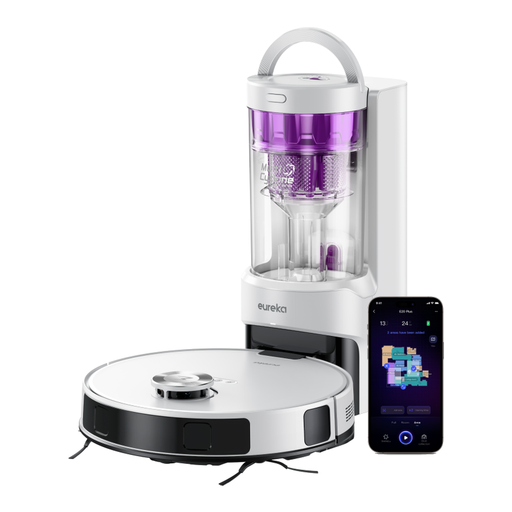
Why it suits this profile: The combination of a large dust container, anti-hair brush, LiDAR and obstacle detection is well suited to households with pets, hard floors and regular carpet or crumb debris.
The product information mentions a bagless station, a 2-litre dust container and automatic 10 mm mop lifting. This can reduce maintenance and help prevent carpets from getting unnecessarily wet.
10,000 Pa according to the product information; 180 minutes’ operating time; anti-hair brush; app and voice control.
We have put together a complete, up-to-date list of products that fully meet these strict selection criteria and the applicable European safety regulations.
That depends on the brush design, suction setting, floor type and amount of hair. Choose a robot vacuum cleaner for dog and cat hair with an anti-tangle brush, automatic carpet mode and an easy-to-clean dust container. Regular use is generally more practical than waiting until a large amount of hair has accumulated.
Its lifespan depends on use, maintenance, battery condition and the availability of replacement parts. Clean the filters and sensors according to the instructions, remove hair from the brushes and avoid contact with water outside the mopping module. Before buying, check that filters, brushes, mop cloths and dust bags are available.
In addition to the purchase price, you may pay for electricity, filters, brushes, mop cloths and dust bags. A model with an automatic emptying station can save time, but dust bags are a recurring expense. A bagless station avoids this particular purchase, although you will still need to empty the dust container manually. The total cost therefore depends on the model you choose and how often you clean.
