
Vandaag of morgen in huis

Kwaliteit gegarandeerd

Welkomstaanbiedingen ontgrendelen: GRATIS bezorging | Tot 80% korting | Gratis 30 dagen JoyPlus-proefperiode
Download de app
A robot vacuum cleaner with a mopping function can tackle dust, crumbs and light stains every day, without you having to move around the house with a vacuum cleaner and mop. However, not every model is automatically suitable for every home. A flat with smooth floors requires something different from a large house with pets, high thresholds and lots of carpet.
Pay particular attention to these three pitfalls before you buy:
A robot vacuum cleaner with strong suction power is useful for crumbs, sand and pet hair. As well as the Pa figure, look for an anti-tangle brush or a system that actively guides hair into the dust container. This can reduce day-to-day maintenance, but it does not mean you will never need to check the brush.
For a robot vacuum cleaner for pet owners, the following points are also relevant:
Treat the stated suction power as one technical specification, not as a guarantee of a particular cleaning result. According to the product information, the different models in this selection deliver between 11,000 and 25,000 Pa.
A robot mop can use different systems: rotating mop pads, an oscillating mop or a roller that is rinsed during cleaning. So check exactly what happens after a cleaning cycle.
A robot vacuum cleaner with a self-cleaning station can, for example, wash the mop and dry it with warm air. Some stations also empty the dust container and automatically refill clean water. Pay attention to the tank capacities and the space taken up by the station. A large station will not always fit next to a kitchen cupboard or in a narrow hallway.
Warm air or warm water is often linked to a cleaner or fresher system in product information. According to the brands’ own information, these are maintenance functions; do not regard them as medical or health claims.
A robot vacuum cleaner with obstacle avoidance may use cameras, lidar, infrared sensors or structured light. Recognising cables, toys and pets can be useful, but your home still needs to be reasonably tidy.
Check the following before buying:
A robot may have a high stated obstacle-climbing capability, but loose cables and small objects can still cause problems. Always follow the manufacturer’s operating instructions.
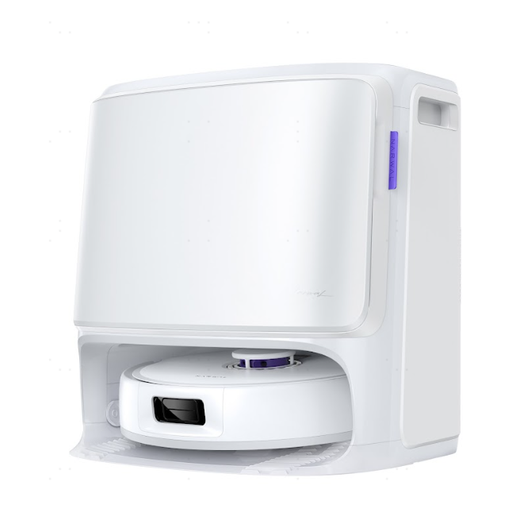
Why it suits this profile: This model combines vacuuming, mopping, automatic washing, drying and dust collection. According to the product specifications, it is suitable for households that want less manual maintenance and straightforward app control.
The product specifications list a 2.5L dust bag, dual anti-tangle brushes and automatic mop cleaning and drying. Consumables will still need to be checked and replaced.
11,000 Pa according to the product specification, lidar navigation, carpet detection and a stated runtime of up to 220 minutes.
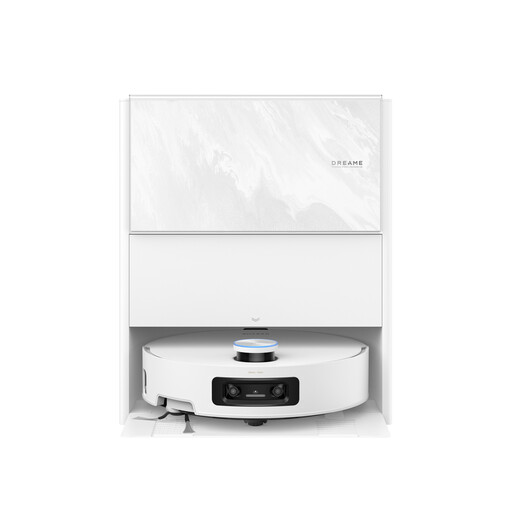
Why it suits this profile: Suitable for larger homes and households that place a high value on a high stated capacity, intelligent object recognition and automatic station maintenance.
The product information lists automatic mop cleaning, drying, dirty-water drainage and detergent dispensing. Check the required clearance around the station in advance.
25,000 Pa according to the product listing, recognition of up to 240 types of objects and stated obstacle clearance of up to 6 cm.
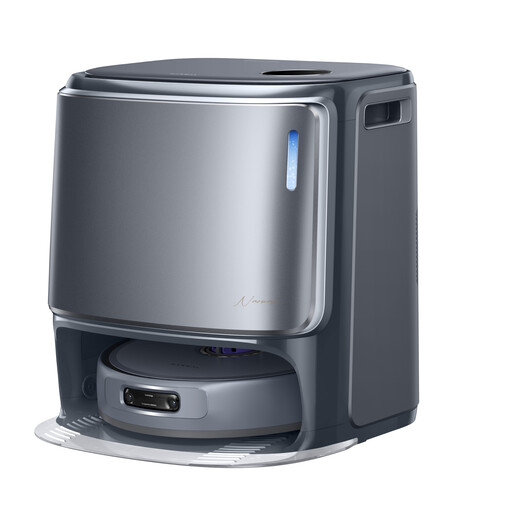
Why it suits this profile: A logical option for families with pets or a lot of everyday dirt, thanks to the stated combination of high suction power, edge cleaning and automatic station functions.
According to the product information, this model has an anti-tangle brush, dual AI processors and recognition of more than 200 objects. It only supports 2.4GHz Wi-Fi, so check this before buying.
18,000 Pa, a 2.5L dust bag, mop cleaning with warm water and a stated mopping pressure of 8N.
We have compiled a complete, up-to-date list of products that fully meet these strict selection criteria and the applicable European safety regulations.
A robot is useful for regular maintenance while you work or sleep. A cordless vacuum cleaner and mop, upright vacuum cleaner with a mopping function or wet and dry vacuum cleaner is more practical for sudden spills, stairs and areas the robot misses.
With a wet and dry model, you usually have to guide it yourself and empty the dirty-water tank after use. In return, you can deal immediately with spilled drinks, mud or food residue. For many families, a combination works well: the robot for daily maintenance and a manual appliance for targeted cleaning.
Its lifespan depends on usage, maintenance and the availability of spare parts. Clean the sensors and brushes according to the instructions, replace filters and dust bags on time, and do not leave cables or small objects on the floor. The battery is a wear component, so check whether replacement and servicing are available for your chosen model.
As well as electricity, you need to allow for dust bags, filters, brushes, mop cloths and, where applicable, cleaning solution. A larger dust bag can reduce how often it needs replacing, but always check the price and availability of genuine consumables. A station with hot-water cleaning may also use more energy than a basic charging station.
This varies from model to model. Look for carpet detection, automatic mop lifting and the maximum carpet height stated in the product information. If in doubt, you can set carpets as no-go zones. A robot vacuum cleaner with a mopping function is generally easiest to use on hard, level floors such as PVC, tiles, laminate or suitable parquet flooring.
